


 Greece
Can Greece's Grey Rocks Marble be used exterior applications in cold climates?
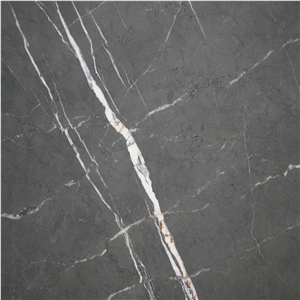
Grey Rocks Marble, also known as Greek Grey Marble, is a popular type of marble in Greece. It is characterized by its subtle grey color with light veins running through it, giving it an elegant and timeless look.
In terms of its use in exterior applications in cold climates, Grey Rocks Marble can generally be used. However, there are a few factors to consider:
1. Freeze-Thaw Resistance: Cold climates often experience freezing and thawing cycles, which can cause damage to certain types of stone due to the expansion and contraction of water within the material. It is important to ensure that the Grey Rocks Marble you choose has good freeze-thaw resistance, meaning it can withstand these cycles without cracking or spalling.
2. Porosity and Water Absorption: Marble is naturally porous, which means it can absorb water. In cold climates, where moisture can freeze and expand, it is important to select a Grey Rocks Marble with low water absorption rates. This will help prevent moisture from penetrating the stone and causing damage.
3. Finish and Surface Treatment: To enhance the durability and weather resistance of Grey Rocks Marble in cold climates, it is recommended to choose a finish and surface treatment that provides additional protection. Different finishes, such as honed or brushed, can provide better slip resistance and reduce the risk of frost damage.
4. Maintenance and Sealing: In cold climates, it is advisable to regularly maintain and seal the Grey Rocks Marble to protect it from the harsh weather conditions. This helps prevent staining, water penetration, and frost damage.
Overall, with proper selection, installation, and maintenance, Grey Rocks Marble can be used in exterior applications in cold climates. It is always recommended to consult with a professional stone supplier or installer who can provide specific guidance based on the specific conditions of your project.

 7YR

 China


 Viet Nam


 Poland


 Italy


 Turkey


 Iran


 Myanmar


 France
