Post Your Needs

Grigio Atlante Marble

Grey - Marble

Morocco

About

Item Details

Material Type:
Marble
Origin:
Morocco (Atlas)
Primary Color(s):
Grey
Recommended Usage:
Kitchen and bathroom countertops, monuments, building stone, ornamental stone, building stone, stairs, interior wall and floor applications, mosaic, waterjet pattern, wall panels, table tops, columns, fireplace surround
Additional Names:
Grigio Atlantic Marble, Grey Atlante Marble, Atlantic Grey Marble, Atlantic Gray Marble, Grey Marina Marble, Grigio Atlante Marble
Finished Surface:
Polished,Bush Hammered,Tumbled,Brushed,Honed,Split,Machine Cut,Natural Surface,Sandblasted,Combed,Leathered,Water Jet,Filled,Chiseled,Pickling

Testing

Water Absorption:
0.17 %
Density:
2689 kg/mᶟ
Flexural Strength:
137 kg/cm2
Compressive Strength:
1089 kg/cm2 - After freezing 979 kg/cm2

Description

Grigio Atlante Marble – A Premium Moroccan Stone

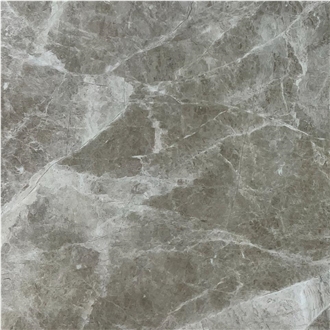
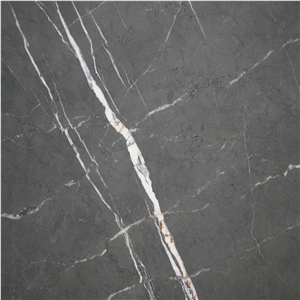
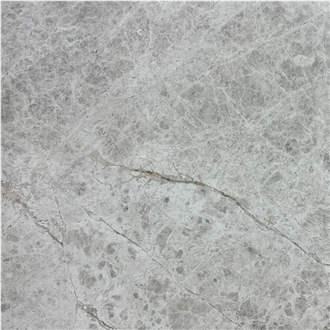
Grigio Atlante Marble is a luxurious and sophisticated natural stone quarried in the Atlas Mountains of Morocco. It is distinguished by its dark silver and bluish-gray shades, complemented by striking white quartz streaks. This marble is known for its unique patterns and elegant appearance, making it a sought-after material in high-end architecture and interior design.

1. Surface Finishing Treatments

Grigio Atlante Marble can be processed into various finishes to suit different design aesthetics and functional needs:

Polished: A high-gloss finish that enhances the stone’s natural color and veining, making it ideal for luxury interiors.

Honed: A smooth, matte finish that provides a softer, more natural look while reducing surface reflections.

Brushed: A textured finish that adds depth and a slightly aged appearance, suitable for flooring and wall applications.

Sandblasted: A rough, non-slip finish often used for outdoor surfaces and wet areas.

Tumbled: A worn and weathered finish, giving the stone an antique or rustic appearance.

Leathered: A soft, textured finish that highlights the natural veining and quartz streaks, adding depth to the surface.

2. Applications & Usage

Grigio Atlante Marble is highly versatile and can be used in both residential and commercial projects, including:

 Flooring & Wall Cladding – Ideal for high-end interiors, hotels, and commercial buildings.

 Kitchen Countertops & Backsplashes – Durable and stylish for modern and classic designs.

Bathroom Vanities & Shower Walls – Adds a touch of elegance with its unique color tones.

Fireplace Surrounds – Provides a luxurious focal point in living spaces.

Staircases & Columns – Used in architectural designs for a sophisticated aesthetic.

Outdoor Applications – When properly treated, it can be used for exterior facades, patios, and pool surrounds.

3. Maintenance & Care

To maintain the beauty and durability of Grigio Atlante Marble, follow these care recommendations:

 Regular Cleaning: Use a pH-neutral stone cleaner to avoid damaging the surface.

Sealing: Apply a penetrating sealer periodically to prevent stains and moisture absorption.

Avoid Acidic Substances: Lemon juice, vinegar, and harsh chemicals can etch the surface.

Immediate Spill Cleaning: Quickly wipe up spills, especially oil, coffee, or wine, to prevent staining.

Use Coasters & Trivets: Protect countertops from heat and potential etching from acidic foods.

4. Cutting & Size Options

Grigio Atlante Marble is available in a range of dimensions to fit different project needs:

Blocks: Suitable for large-scale processing and customized cuts.

Slabs: Typically available in 2 cm and 3 cm thickness, perfect for countertops and wall cladding.

Tiles: Custom-cut sizes available for flooring, walls, and decorative elements.

Cut-to-Size Pieces: Tailored for specific architectural and design applications.

Conclusion

Grigio Atlante Marble is a highly desirable Moroccan marble that brings a refined, elegant touch to any space. Its dark silver and bluish-gray hues, enriched with white quartz streaks, make it a timeless choice for premium architectural and interior projects. With proper finishing, maintenance, and installation, it ensures both durability and lasting beauty.

CHARACTERISTICS:

Compressive force- 1089 kg/cm2
After freezing- 979 kg/cm2
Ultimate tensile Strength- 137 kg/cm2
Coef. thermal expansion- 0.0028 mm/m°C
Water absorption- 0.17 %
Density- 2689 kg/m3

FAQ

Does the surface of Grigio Atlante Marble countertop scratch easily?

Grigio Atlante Marble is a highly durable and resistant material, but like any natural stone, it can still scratch if not properly maintained. To prevent scratching, it is recommended to use cutting boards or trivets for hot pots and pans. Regularly cleaning and sealing the surface can also help protect against scratches and maintain the beauty of the marble.

Can glossy polished Grigio Atlante Marble be used for swimming pool terrace?

It is not recommended to use polished marble for a swimming pool terrace, as the high gloss finish can be slippery when wet, increasing the risk of accidents. Additionally, the chemicals used in pool water can damage the surface of the marble over time. It is better to choose a non-slip and more durable material for a swimming pool terrace, such as porcelain tiles or natural stone with a honed or textured finish.

How can I remove mold from Grigio Atlante Marble wall tiles?

To remove mold from Grigio Atlante Marble wall tiles, follow these steps: 1. Mix a solution of equal parts water and white vinegar in a spray bottle. 2. Spray the solution onto the moldy areas of the marble tiles and let it sit for at least 15-20 minutes. 3. Scrub the moldy areas with a soft-bristled brush or sponge to loosen the mold. 4. Rinse the tiles with clean water to remove the vinegar solution and mold residue. 5. Dry the tiles thoroughly with a clean, dry cloth to prevent further mold growth. 6. To prevent mold from returning, ensure the area is well-ventilated and moisture levels are controlled. If the mold persists after following these steps, you may need to consult a professional marble cleaning expert for further assistance. Remember to always test any cleaning solution on a small, inconspicuous area of the marble tiles before applying it to the entire surface to ensure it does not cause damage.

How can I clean Grigio Atlante Marble mosaic tiles?

To clean Grigio Atlante Marble mosaic tiles, follow these steps: 1. Start by sweeping or vacuuming the surface to remove any loose dirt and debris. 2. Mix a mild detergent with warm water in a bucket or spray bottle. 3. Use a soft sponge or cloth to apply the soapy water to the tiles, working in small sections at a time. 4. Scrub the tiles gently to remove any dirt or grime. Avoid using abrasive scrubbers or cleaners as they can damage the marble surface. 5. Rinse the tiles with clean water to remove any soap residue. 6. Dry the tiles with a clean cloth or towel to prevent water spots or streaks. 7. For stubborn stains or deep cleaning, you can use a specialized marble cleaner or poultice. Follow the manufacturers instructions carefully. 8. To maintain the shine and protect the marble, you can also apply a marble sealer according to the manufacturers guidelines. Remember to avoid using acidic or abrasive cleaners on marble as they can damage the surface. Regular cleaning and maintenance will help keep your Grigio Atlante Marble mosaic tiles looking beautiful for years to come.

How can I clean the grout of Grigio Atlante Marble tumbled finish wall tiles?

To clean the grout of Grigio Atlante Marble tumbled finish wall tiles, you can follow these steps: 1. Start by sweeping or vacuuming the grout lines to remove any loose dirt and debris. 2. Mix a solution of warm water and mild detergent or a pH-neutral stone cleaner. 3. Use a stiff-bristled brush or an old toothbrush to scrub the grout lines with the cleaning solution. 4. For stubborn stains, you can also make a paste of baking soda and water and apply it to the grout lines. Let it sit for a few minutes before scrubbing. 5. Rinse the grout lines thoroughly with clean water to remove any residue. 6. Dry the grout lines with a clean cloth or towel to prevent water spots or streaks. 7. Seal the grout lines with a grout sealer to protect them from future stains and dirt buildup. Its important to avoid using harsh cleaning agents or abrasive tools on marble tiles, as they can damage the surface. Always test any cleaning solution on a small, inconspicuous area before applying it to the entire surface.

I have a Grigio Atlante Marble countertop with a vein that looks broken. Should I glue it?

If the vein on your Grigio Atlante Marble countertop appears to be broken, it is best to consult with a professional stone fabricator or installer to assess the situation and determine the best course of action. Gluing the vein may not be the best solution as it could result in a visible repair or a mismatch in color and texture. A professional can provide guidance on whether the vein can be repaired or if a replacement is necessary to ensure the structural integrity and aesthetics of your countertop. It is important to address any issues with your marble countertop promptly to prevent further damage and maintain its appearance and functionality.

Can 2cm thickness Grigio Atlante Marble be used for kitchen countertop?

Yes, a 2cm thickness Grigio Atlante Marble can be used for a kitchen countertop. However, it is important to keep in mind that marble is a softer and more porous stone compared to granite, so it may be more prone to scratches, stains, and etching. To prevent damage, it is recommended to seal the marble regularly and use cutting boards and trivets to protect the surface.

How can I repair the scratched surface of the Grigio Atlante Marble steps?

Repairing scratched marble steps can be a delicate process, but it can be done with the right materials and techniques. Here is a step-by-step guide on how to repair the scratched surface of Grigio Atlante Marble steps: 1. Clean the surface: Start by cleaning the marble steps with a mild detergent and warm water. Use a soft cloth or sponge to gently wipe away any dirt or debris from the surface. 2. Assess the damage: Examine the scratches on the marble steps to determine the depth and severity of the damage. Light scratches can often be buffed out with a polishing compound, while deeper scratches may require more extensive repair. 3. Sand the scratches: For deeper scratches, you may need to sand the surface of the marble steps with fine-grit sandpaper. Use a gentle touch and work in small circular motions to avoid further damaging the marble. 4. Apply a marble polish: Once the scratches have been sanded down, apply a marble polishing compound to the surface of the steps. Use a soft cloth or polishing pad to buff the polish into the marble, working in circular motions to achieve an even finish. 5. Seal the surface: To protect the repaired surface of the marble steps, consider applying a sealant designed specifically for use on marble. This will help to prevent future scratches and keep the surface looking smooth and polished. 6. Maintain the steps: To prevent further damage to the marble steps, be sure to clean them regularly with a mild detergent and warm water. Avoid using harsh chemicals or abrasive cleaners, as these can scratch or dull the surface of the marble. By following these steps and taking care to properly maintain the marble steps, you can repair scratches and keep them looking beautiful for years to come. If you are unsure about how to repair the scratches yourself, consider consulting a professional marble restoration specialist for assistance.

Is Grigio Atlante Marble with a glossy polished surface good for house flooring?

Grigio Atlante Marble with a glossy polished surface can be a beautiful and luxurious option for house flooring. However, it is important to consider a few factors before choosing this type of marble for your flooring: 1. Durability: Marble is a natural stone that is prone to scratching and staining, especially with a polished surface. If the area experiences heavy foot traffic or is prone to spills, it may not be the most practical choice for flooring. 2. Maintenance: Polished marble requires regular maintenance to keep its glossy finish looking its best. This may include regular sealing, cleaning with specific products, and avoiding harsh chemicals or abrasive cleaners. 3. Slippery Surface: Polished marble can be slippery when wet, making it potentially hazardous in areas where water is present, such as bathrooms or kitchens. Ultimately, Grigio Atlante Marble with a polished surface can be a stunning choice for house flooring, but it is important to carefully consider the practicality and maintenance requirements before making a decision.

Hot Grey Marble

New Marble

Post Your Request

The request includes:
  1. surface finished, size
  2. quantity required