Post Your Needs

Grigio Dolomiti Marble

Marble

Turkey

About

Item Details

Material Type:
Marble
Origin:
Turkey
Recommended Usage:
Kitchen and bathroom countertops, wash basins, building stone, ornamental stone, stairs, interior, exterior wall and floor applications, mosaic, waterjet pattern, wall panels, table tops, balustrades, columns, wall and pool copings, pool pavers, fireplaces
Additional Names:
Grey Dolomiti Marble, Dolomite Grey Marble, Gray Dolomite Marble
Finished Surface:
Polished,Bush Hammered,Tumbled,Brushed,Honed,Split,Machine Cut,Natural Surface,Sandblasted,Combed,Leathered,Water Jet,Filled,Chiseled,Pickling

Testing

Water Absorption:
0.15 – 0.35 %
Density:
2650 – 2750 kg/m³
Flexural Strength:
8 – 12 MPa
Compressive Strength:
90 – 120 MPa

Description

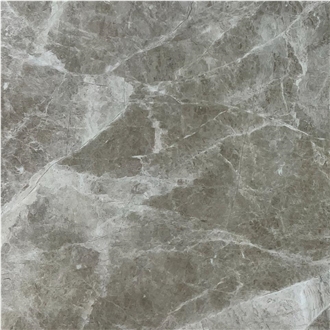
Grigio Dolomiti Marble is a sophisticated natural stone quarried in Turkey, known for its cloudy soft ash-gray background enriched with lighter hues, smoke-gray shades, and occasional darker streaks. Its subtle yet elegant veining adds depth, visual interest, and gentle movement, making it an ideal choice for both contemporary and classic architectural designs.

Texture & Pattern

Texture: Fine to medium crystalline calcitic/dolomitic structure; smooth to the touch, with a slightly translucent quality in thinner slabs.

Pattern: Cloudy ash-gray base with flowing smoke-gray tones and sporadic darker linear streaks; veining is soft, subtle, and naturally irregular, providing a calm, refined aesthetic.

Visual Effect: Elegant, neutral, and versatile, suitable for a wide range of interior and exterior applications.

Typical Physical & Mechanical Properties

  • Apparent Density: 2,650 – 2,750 kg/m³
  • Water Absorption (by weight): 0.15 – 0.35 %
  • Compressive Strength: 90 – 120 MPa
  • Flexural Strength (Modulus of Rupture): 8 – 12 MPa
  • Mohs Hardness: ~3 (calcite/dolomite)
  • Abrasion Resistance: Suitable for interior floors, walls, and decorative applications

Chemical & Mineral Composition (approx. % by weight)

  • Calcium Carbonate (CaCO₃): 94 – 97 %
  • Magnesium Carbonate (MgCO₃, if dolomitic): 2 – 5 %
  • Silica (SiO₂): 0.2 – 1.0 %
  • Iron Oxides & Other Trace Minerals: <1 %
  • Primary Minerals: Calcite and/or dolomite with accessory mica, clay, or oxides

Surface Finish Options

  • Polished: High gloss, enhances color depth and veining
  • Honed: Matte, low-sheen finish suitable for floors and walls
  • Leathered / Brushed: Subtle texture with soft visual depth, ideal for countertops and accent walls
  • Sawn Cut / Sanded / Tumbled: Rustic or textured aesthetic for decorative or exterior applications

Applications / Usage

  • Interior flooring and wall cladding
  • Bathrooms and showers (honed finish recommended)
  • Kitchen countertops and islands (sealed polished or leathered finish)
  • Stair treads, risers, and thresholds
  • Feature walls, fireplaces, and decorative accents
  • Residential, commercial, and luxury hotel projects

Maintenance & Care

  • Apply a penetrating sealer after installation; reapply periodically
  • Clean with neutral pH stone cleaners; avoid acidic or abrasive products
  • Wipe spills immediately to prevent staining, especially from acidic liquids
  • Polished surfaces can be professionally repolished if scratched; honed/leathered finishes may require re-honing

Grigio Dolomiti Marble combines timeless elegance with neutral sophistication, making it a versatile choice for creating refined interiors and architectural features that harmonize with both modern and classic design aesthetics.

FAQ

What type of abrasive should be used to polish the Grigio Dolomiti Marble surface?

Polishing Grigio Dolomiti Marble, like other marble surfaces, requires a careful approach to avoid damaging the stone. Its best to use fine abrasives specifically designed for marble polishing. Heres a recommended approach: 1. **Diamond Abrasives:** Start with diamond abrasives for the initial stages of polishing. Use finer grits as you progress (e.g., start with 400 and move to 800, 1500, and finish with 3000) to achieve a smooth finish. 2. **Non-Acidic Polishing Compounds:** Use a marble polishing powder or compound thats designed for marble. These are typically mildly abrasive and can bring out a shine without causing damage. 3. **Buffer Pads:** Use high-quality polishing pads, ideally white or beige, attached to a low-speed polisher. These pads help distribute the polishing compound evenly. 4. **Avoid Hard Abrasives:** Do not use abrasives designed for harder stones like granite, as these can scratch or damage the marble. 5. **Seek Professional Help:** If youre not experienced in marble polishing, consider hiring a professional to ensure the surface is polished correctly and safely. Always test any product or technique on a small, inconspicuous area first to ensure it does not adversely affect the marble.

Is Grigio Dolomiti Marble durable enough for use as walkway pavers?

Grigio Dolomiti Marble is a beautiful and elegant natural stone, but when it comes to using it as walkway pavers, there are several important factors to consider: 1. **Durability:** Marble, in general, is not as hard or durable as granite or some other natural stones commonly used for outdoor applications. Marble can be prone to scratching, chipping, and weathering over time, especially in high-traffic areas. 2. **Weather Resistance:** Marble is susceptible to damage from freeze-thaw cycles, which can cause cracking or spalling. If you live in an area with significant temperature fluctuations and freezing conditions, marble might not be the best choice for outdoor pavers. 3. **Slip Resistance:** Polished marble can be quite slippery when wet, posing a potential safety hazard. It’s important to consider the finish of the marble if you intend to use it in areas that could get wet or icy. 4. **Maintenance:** Marble requires regular maintenance to keep its appearance and durability. This includes sealing to protect against stains and weathering. Considering these factors, Grigio Dolomiti Marble might not be the best choice for walkway pavers unless you are in a mild climate and are prepared for regular maintenance. It may be better suited for indoor applications or less exposed outdoor areas. For more durable outdoor pavers, materials like granite or porcelain tiles may be more suitable.

Does the surface of Grigio Dolomiti Marble scratch easily?

Grigio Dolomiti Marble, like most marble surfaces, can be prone to scratching. Marble is a softer natural stone compared to granite or quartzite, which makes it more susceptible to scratches, especially if it encounters abrasive materials. Its important to take care when using marble surfaces by using cutting boards, placemats, and avoiding direct contact with sharp objects. Regular sealing of the marble can also help protect it from minor scratches and other surface damage.

Can Grigio Dolomiti Marble be used as a kitchen countertop?

Yes, Grigio Dolomiti Marble can be used as a kitchen countertop. However, its essential to keep in mind that marble, including Grigio Dolomiti, is a softer and more porous stone compared to other materials like granite or quartz. This means it is more susceptible to scratching, staining, and etching, especially in high-traffic areas like kitchens where there may be exposure to acidic foods and liquids. To maintain its appearance, youll need to take special care of a marble countertop. This includes regular sealing to help reduce porosity and the risk of staining, using trivets or cutting boards to protect the surface from heat and scratches, and promptly wiping up any spills to avoid staining and etching. If youre willing to commit to the necessary maintenance and enjoy the natural beauty and unique characteristics of marble, Grigio Dolomiti can be a stunning choice for a kitchen countertop.

How can I maintain polished Grigio Dolomiti Marble commercial flooring?

Maintaining polished Grigio Dolomiti marble commercial flooring involves regular cleaning and specific care to preserve its shine and durability. Here are some steps you can follow: 1. **Regular Cleaning:** - **Dust Mop Daily:** Use a clean, dry microfiber mop to remove dust and debris. This prevents scratches from dirt and grit. - **Use a Damp Mop Weekly:** Clean with a damp mop using a pH-neutral cleaner specifically designed for marble. Avoid acidic or alkaline cleaners as they can damage the marble. 2. **Spill Management:** - **Act Quickly:** Wipe up spills immediately to prevent staining, especially from acidic substances like coffee, wine, or juice. - **Blot, Don’t Wipe:** Blot spills with a clean, soft cloth to prevent spreading. 3. **Polishing:** - **Professional Polish:** Consider having your marble professionally polished periodically to maintain its shine. - **Use a Marble Polish:** Apply a marble polishing powder or cream, following the manufacturers instructions, to restore shine between professional treatments. 4. **Protection:** - **Seal the Marble:** Use a sealer specifically designed for marble to protect against stains. This should be done every 6-12 months, depending on the foot traffic. - **Use Mats and Rugs:** Place mats or rugs in high-traffic areas and at entry points to catch dirt and moisture. - **Install Furniture Pads:** Use pads under furniture legs to prevent scratching or dents. 5. **Avoid Abrasives:** - **No Rough Pads:** Do not use scouring powders, steel wool, or rough scrub pads, as these can scratch the marble surface. - **Protect from Objects:** Be cautious with hard objects that could scratch the floor. 6. **Regular Inspection:** - **Check for Damages:** Regularly inspect the floor for scratches, chips, or stains. Address these issues promptly to prevent further damage. 7. **Educate Staff:** - **Training:** Train cleaning staff on the specific requirements for marble care to prevent accidental damage. By following these steps, you can maintain the polished appearance and longevity of Grigio Dolomiti marble flooring in a commercial setting.

Is Grigio Dolomiti Marble a suitable choice for facades in cold winter climates?

Grigio Dolomiti Marble, like many natural stones, can be used for facades, but there are several considerations to take into account for its suitability in cold winter climates: 1. **Freeze-Thaw Resistance**: In cold climates, the main concern with using natural stone like marble is its behavior under freeze-thaw cycles. Water can seep into the stones pores, freeze, and then expand, potentially causing cracks or damage. Its important to ensure that the marble is treated or has naturally low porosity to withstand these conditions. 2. **Durability**: Marble is generally softer than granite and other stones, which can make it more susceptible to wear and weathering. Over time, exposure to harsh weather can lead to surface degradation. 3. **Maintenance**: Marble facades may require regular maintenance, sealing, and protection against moisture intrusion to prolong their lifespan and maintain their appearance. 4. **Installation**: Proper installation is crucial. This includes using appropriate adhesives, sealants, and anchors that accommodate temperature fluctuations without compromising structural integrity. 5. **Aesthetic and Architectural Considerations**: While marble offers a distinct and elegant appearance, consider architectural style and whether the aesthetic appeals to the desired outcome for the facade. Before selecting Grigio Dolomiti Marble for a facade in a cold winter climate, it would be wise to consult with architects, engineers, and material specialists who are familiar with local conditions and have experience with natural stone applications in cold climates. They can provide detailed insights into the specific type of marble and its treatment to ensure it performs well under the given environmental conditions.

Hot Marble

New Marble

Post Your Request

The request includes:
  1. surface finished, size
  2. quantity required