Post Your Needs

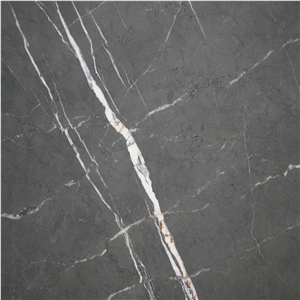
Grigio Monet Marble

Grey - Marble

Brazil

About

Item Details

Material Type:
Marble
Origin:
Brazil
Primary Color(s):
Grey
Recommended Usage:
kitchen and bathroom countertops, stairs, building stone, ornamental stone, interior, exterior wall applications, mosaic, waterjet pattern
Additional Names:
Grigio Monet, Grigio Monet Marble, Grigio Monet Quartzite, Monet Grey Marble, Grigio Monet
Finished Surface:
Polished,Bush Hammered,Tumbled,Brushed,Honed,Split,Machine Cut,Natural Surface,Sandblasted,Acid Washing,Combed,Leathered,Water Jet,Filled,Chiseled,Pickling

Testing

Water Absorption:
~0.12–0.15% by weight
Density:
~2680–2700 kg/m³
Flexural Strength:
~12–14 MPa
Compressive Strength:
~110–120 MPa

Description

Grigio Monet Marble is an elegant and unique natural stone quarried in Brazil. This marble is prized for its captivating aesthetic and exceptional performance characteristics, making it a popular choice in luxury architecture and design.

Texture and Pattern

Grigio Monet features a smooth, refined texture with a harmonious blend of white and bluish smoky light gray, enhanced by fluid dark gray water wave flowy patterns. The interplay of subtle light tones and darker, dynamic veins creates a striking visual effect that adds depth and sophistication to any space.

Test Results

  • Water Absorption: ~0.12–0.15% by weight
  • Density: ~2,680–2,700 kg/m³
  • Compressive Strength: ~110–120 MPa
  • Flexural Strength: ~12–14 MPa
  • Abrasion Resistance: High Hardness (Mohs): 3–4

Chemical Composition (% by weight)

  • CaCO3 (Calcium Carbonate): ~92–95%
  • MgCO3 (Magnesium Carbonate): ~1–2%
  • SiO2 (Silica): ~1–2%
  • Fe2O3 (Iron Oxide): ~0.2–0.4%
  • Al2O3 (Aluminum Oxide): ~0.3–0.6%

Other trace minerals contribute to the stone’s distinctive coloration and durability.

Mineral Composition (% by weight)

  • Calcite: ~93–95%
  • Dolomite: ~2–3%
  • Quartz: ~1–2%
  • Mica, Feldspar, and other minor minerals: ~1–2%

Usage

Thanks to its durability and stunning appearance, Grigio Monet Marble is widely used for:

  • Interior wall cladding and flooring
  • Countertops and kitchen islands
  • Bathroom vanities and backsplashes
  • Fireplace surrounds
  • Feature walls and custom furniture
  • It is also suitable for moderate-traffic commercial areas, given proper care.

Maintenance

Grigio Monet Marble requires periodic sealing to maintain its beauty and prevent staining. Cleaning with pH-neutral stone cleaners is recommended. Avoid harsh acidic or alkaline substances to protect the polished or honed surfaces.

Cutting Sizes (cm/inch)

Standard slabs: 2 cm (3/4") or 3 cm (1 1/4") thick

Typical slab dimensions: ~280–320 cm x 160–200 cm (~110–126" x 63–79")

Custom cut-to-size tiles and panels can be produced for specific projects:

  • 30x30 cm (12"x12")
  • 60x30 cm (24"x12")
  • 60x60 cm (24"x24")
  • 120x60 cm (48"x24") and larger bespoke dimensions upon request.

Surface Finish Options

  • Polished: Enhances the natural colors and veining with a mirror-like sheen
  • Honed: Smooth, matte finish for a more subdued elegance
  • Leathered: Textured, slightly matte finish that provides grip and a tactile quality
  • Brushed: Subtle texture highlighting the flowing pattern
  • Sandblasted: Rough texture, ideal for anti-slip outdoor applications

FAQ

Is 18 mm Grigio Monet Marble good for a commercial bathroom top?

Grigio Monet Marble can be a suitable choice for a commercial bathroom countertop, but there are several factors to consider: 1. **Aesthetics**: Grigio Monet Marble is known for its elegant and sophisticated appearance, which can enhance the visual appeal of a commercial bathroom. Its gray tones can complement a variety of design styles. 2. **Durability**: While marble is generally a strong material, it is softer and more porous than other stones like granite or quartz. This can make it susceptible to scratching, staining, and etching, especially in a high-traffic commercial environment. 3. **Maintenance**: Marble requires regular sealing to help protect it against moisture and staining. In a commercial setting, where surfaces can be exposed to various products and high usage, maintenance efforts might need to be more frequent to ensure longevity and appearance. 4. **Cost**: Marble can be more expensive than other material options, both in terms of initial purchase and long-term maintenance. This is an important consideration if youre working within a budget. 5. **Thickness**: An 18 mm thickness is relatively thin for a countertop, which could limit its durability compared to thicker slabs. It may require additional support or substrate to ensure it can withstand daily use. In summary, while Grigio Monet Marble can add luxury and elegance to a commercial bathroom, its important to weigh its aesthetic benefits against its practical considerations and maintenance needs. For high-traffic areas, you might want to explore alternative materials that offer similar aesthetics but with greater durability and lower maintenance requirements.

Can Grigio Monet Marble floor tiles discoloration be fixed?

Yes, discoloration in Grigio Monet marble floor tiles can often be addressed, depending on the cause and severity of the discoloration. Here are a few steps you can take to try and fix the issue: 1. **Cleaning**: Begin with a thorough cleaning using a mild, pH-neutral cleaner specifically designed for natural stone. This can remove surface stains and dirt that might be contributing to the discoloration. 2. **Poultice**: For deeper stains, a poultice can be used. A poultice is a paste made from a cleaning agent and a powder substance, which draws stains out of the marble. Youll need to let it sit on the stain for a specific period, as instructed by the product guidelines, and then clean it off. 3. **Polishing**: If the discoloration is due to etching (dull spots caused by acidic substances), polishing the surface with a marble polish might restore the shine and remove shallow etching. 4. **Professional Restoration**: For extensive damage or deep-seated stains, you might need to hire a professional to sand down and refinish the marble surface. This is particularly useful for restoring uniformity to the tiles. 5. **Sealing**: After cleaning or restoring discolored tiles, consider applying a quality stone sealant to protect against future stains and discoloration. Always test any cleaning product or method in a small, inconspicuous area first to ensure it doesn’t harm your marble. If youre unsure or worried about damaging the tiles, consulting with a stone restoration specialist is a wise choice.

Can etched or scratched calcitic Grigio Monet Marble be repaired?

Yes, etched or scratched calcitic Grigio Monet Marble can often be repaired, but the extent to which it can be restored depends on the severity of the damage. Here are some general steps that can be taken to repair marble surfaces: 1. **Assess the Damage**: Determine if the damage is superficial or deep. Light etches or scratches can usually be repaired more easily than deep gouges. 2. **Clean the Surface**: Before beginning any repair, thoroughly clean the marble surface with a pH-neutral cleaner to remove any dirt or debris. This ensures that repair materials adhere properly. 3. **Polishing**: Superficial etching can sometimes be removed through polishing. Use a marble polishing powder and a soft cloth or an electric polisher. Gently buff the marble in circular motions to restore the shine. 4. **Buffing**: For minor scratches, buffing with a polishing compound specifically designed for marble might be sufficient to restore the surface. 5. **Sanding**: For deeper etches or scratches, you may need to use a series of progressively finer sandpaper grits, starting with a coarser grit and finishing with a fine grit to smooth out the surface. 6. **Sealing**: After polishing or sanding, it’s important to seal the marble. Sealing helps protect against future damage and staining. Use a penetrating sealer designed for natural stone. 7. **Professional Help**: For extensive damage, it might be best to consult with a professional stone restoration specialist. They have specialized tools and products to repair and restore marble surfaces effectively. Always ensure that any products used are suitable for calcitic marble to avoid further damage. Additionally, regular maintenance and sealing can help prevent future etching and scratching.

Is calcitic Grigio Monet Marble resistant to acids?

Calcitic Grigio Monet Marble, like other calcitic marbles, is not resistant to acids. Marble is composed primarily of calcium carbonate, which reacts with acids, leading to etching and surface damage. When exposed to acidic substances like lemon juice, vinegar, or even acidic cleaning agents, the marble surface can become dulled or etched over time. Its important to use a pH-neutral cleaner and immediately clean up any acidic spills to maintain the marbles appearance and integrity.

Should Grigio Monet Marble kitchen countertop be sealed before installation?

Yes, Grigio Monet Marble, like most natural stone countertops, should be sealed before installation. Marble is porous, meaning it can absorb liquids and stains more easily than some other materials. Sealing helps protect the surface from stains, spills, and etching by creating a barrier that reduces absorption. It is a good practice to seal marble countertops upon installation and reseal them periodically, depending on the usage and the type of sealer used. Always follow the manufacturers recommendations for sealing and maintaining the marble to ensure its longevity and appearance.

Is calcitic Grigio Monet Marble harder than regular marble?

Calcitic Grigio Monet Marble and regular marble, such as Carrara or other commonly used types, both primarily consist of calcite, which gives them similar hardness levels. The Mohs scale, which measures mineral hardness, generally places calcite at around 3. This means that both calcitic Grigio Monet Marble and regular marble have comparable hardness due to their similar calcite composition. Variations in hardness might occur due to other mineral inclusions or specific geological formation processes, but overall, they should be quite similar in hardness.

Can Brazil's Grigio Monet Marble be used exterior applications in cold climates?

Brazils Grigio Monet Marble can be used in exterior applications in cold climates, but there are certain considerations to keep in mind. First, it is important to note that marble is a natural stone and, as such, it is porous and can be susceptible to damage from freezing temperatures. In cold climates, where temperatures drop below freezing, water can penetrate the pores of the marble, causing it to expand and contract, potentially leading to cracks or other forms of damage. To mitigate this risk, it is essential to choose a high-quality Grigio Monet Marble with low water absorption rates and good resistance to freezing and thawing cycles. These characteristics ensure that the stone will be more resistant to damage caused by freezing temperatures. Additionally, proper installation practices are crucial. The marble should be installed with a suitable waterproofing system and proper mortar or adhesive specifically designed for use in exterior applications and capable of withstanding freezing temperatures. Regular maintenance and care are also important to preserve the marbles durability in cold climates. Sealing the stone and performing routine inspections for potential damage or signs of water infiltration can help prolong its lifespan. Overall, while Grigio Monet Marble can be used in exterior applications in cold climates, it requires proper selection, installation, and maintenance to ensure long-lasting performance in these challenging conditions. It is advisable to consult with a qualified stone professional or architect to determine the suitability of this specific marble for your intended use in cold climates.

Can Brazil's Grigio Monet Marble be used in landscaping?

Yes, Brazils Grigio Monet Marble can be used in landscaping. Its elegant and sophisticated appearance makes it a popular choice for outdoor applications such as paving, walkways, patios, and pool surrounds. Since marble is a natural stone, it is durable and can withstand the outdoor elements. Grigio Monet Marble features a beautiful gray color with unique veining patterns, which can give a luxurious and timeless look to any landscape design. However, its important to note that marble is porous and needs regular sealing to protect it from staining and moisture damage. Additionally, marble can be slippery when wet, so it may not be suitable for areas that receive a lot of rain or around water features. Overall, Grigio Monet Marble can certainly enhance the aesthetics of a landscape but proper care and maintenance are necessary to ensure its longevity and usability in outdoor settings.

What is the coefficient of friction of Filled Brazil's Grigio Monet Marble tiles?

The coefficient of friction of Filled Brazils Grigio Monet Marble tiles can vary depending on various factors, such as the specific finish applied to the tiles and the conditions in which they are being used. It is recommended to consult the manufacturer or supplier of the tiles to obtain the specific coefficient of friction for the particular product.

Can Brazil's Grigio Monet Marble be used outdoors?

Yes, Brazils Grigio Monet Marble can be used outdoors. It is a durable and weather-resistant stone that can withstand various outdoor conditions. However, it is recommended to apply a sealant to protect the marble from moisture and other outdoor elements, as well as to regularly maintain and clean the marble to preserve its appearance.

Products & Prices

Hot Grey Marble

New Marble

Post Your Request

The request includes:
  1. surface finished, size
  2. quantity required