Post Your Needs

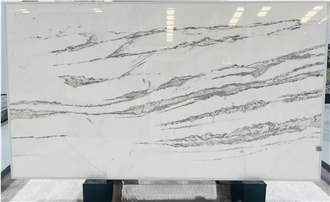
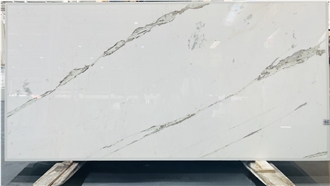
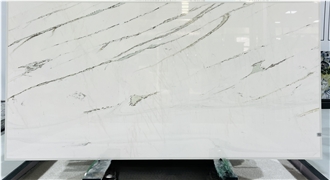
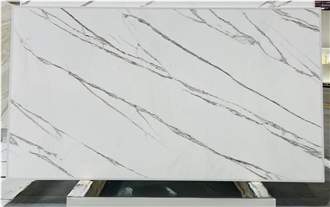
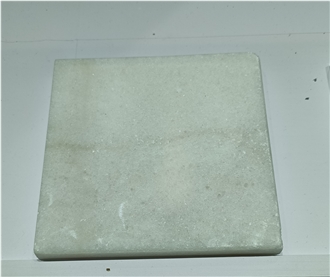
Hepburn White Marble

Marble

China

About

Item Details

Material Type:
Marble
Origin:
China (Guangxi province)
Recommended Usage:
Kitchen and bathroom countertops, wash basins, building stone, ornamental stone, stairs, interior, exterior wall and floor applications, mosaic, waterjet pattern, wall panels, table tops, balustrades, columns, wall and pool copings, pool pavers, sculptures, fireplaces, window sills
Additional Names:
Guangxi White Marble, in china stone market:赫本白(Hè Běn Bái)
Finished Surface:
Polished,Bush Hammered,Tumbled,Brushed,Honed,Split,Machine Cut,Natural Surface,Sandblasted,Combed,Leathered,Water Jet,Filled,Chiseled,Pickling

Testing

Water Absorption:
0.15–0.35 % by weight
Density:
2690 kg/m³
Flexural Strength:
10.1 MPa
Compressive Strength:
89.7 MPa

Description

Aesthetic Description

Color & Pattern: Warm off‑white to creamy beige base with a soft, luminous look. Subtle light grey speckles and delicate, linear or wispy veins, adding natural elegance. Slight variations from slab to slab, giving each piece a unique, organic character.

Texture: Fine‑grained crystalline texture, smooth to the touch when polished. Polished surfaces exhibit a soft, luminous sheen that reflects light beautifully.

Visual Qualities: Fits well in both modern and classic interior designs, providing understated elegance.

Physical & Mechanical Properties

  • Density: ~2.69–2.7 g/cm³
  • Water Absorption: ~0.1–0.5% by weight
  • Compressive Strength: ~89.7–91.0 MPa
  • Flexural Strength: ~10.1–12.0 MPa
  • Hardness (Mohs): ~3–4

Values can vary by quarry and batch; always request lab test certificates for precise projects.

Chemical & Mineral Composition (by weight)

Mineralogical Composition

  • Calcite (CaCO₃): ~95–97%
  • Dolomite, Quartz & minor minerals: ~1–5%

Chemical Oxides (% wt)

  • CaO (Calcium Oxide): ~55–57%
  • SiO₂ (Silica): ~25–30%
  • MgO (Magnesium Oxide): ~1–2%
  • Al₂O₃ (Alumina): ~0.5–1%
  • Fe₂O₃ (Iron Oxide): ~0.1–0.4%
  • Trace oxides (Na₂O, K₂O, TiO₂, SO₃): <0.1% each

Usage & Applications

Ideal for:

  • Interior wall and floor cladding
  • Countertops and vanity tops
  • Bathroom walls and backsplashes
  • Fireplace surrounds and feature walls
  • Columns, balusters, and sculptures
  • Decorative elements in residential and commercial projects

Best Use Cases

  • Interior spaces where refined elegance and soft warmth are desired
  • Flooring in low-to-medium traffic areas

Not Recommended For: Heavy outdoor weathering or freeze-thaw environments High-impact kitchen surfaces without proper sealing

Maintenance Recommendations

  • Use neutral pH cleaners and soft cloths; avoid acids.
  • Wipe up spills immediately to prevent staining or etching.
  • Seal surface every 6–12 months with a penetrating stone sealer.
  • Use cutting boards and trivets to protect from scratches and heat.
  • Poultices can be applied for stubborn stains.

FAQ

How to make Hepburn White Marble stairs not slippery?

Making Hepburn White Marble stairs less slippery involves several steps and considerations to enhance safety while maintaining their aesthetic appeal. Here are some suggestions: 1. **Clean the Surface**: Ensure the stairs are clean and free of dust, dirt, or any substances that might contribute to slipperiness. 2. **Anti-Slip Treatments**: Apply a non-slip treatment specifically designed for marble surfaces. These treatments chemically etch the marble surface to create a better grip without altering its appearance significantly. 3. **Anti-Slip Tapes or Strips**: Apply clear anti-slip adhesive strips or tape on each step. These strips are often transparent or available in colors that blend with the marble, providing traction without detracting from the overall look. 4. **Sealant with Grit Additives**: Use a marble sealant mixed with a non-slip grit additive. This provides a textured surface for better grip. 5. **Rugs or Carpet Runners**: Install a carpet runner down the center of the stairs. Choose one with a non-slip backing or secure it with appropriate fasteners to ensure it stays in place. 6. **Rubber Stair Mats**: Place rubber mats or non-slip stair treads on each step. These are available in various designs and can be a decorative addition while improving safety. 7. **Regular Maintenance**: Regularly inspect the stairs for wear and tear, and promptly replace any worn-out anti-slip measures. 8. **Proper Lighting**: Ensure that the stairway is well-lit to help people see the steps clearly, reducing the chance of slips and falls. 9. **Consult a Professional**: If youre unsure about which option to choose or how to apply a treatment effectively, consider consulting a professional to ensure the safety measures are correctly implemented without damaging the marble. Implementing these measures will help increase safety on marble stairs while preserving their elegant appearance.

Does Hepburn White Marble countertop stain easily?

Hepburn White Marble is a type of natural stone, and like most marbles, it can be susceptible to staining. Marble is a porous material, which means it can absorb liquids and, in turn, stain easily if not properly sealed and maintained. Substances like wine, coffee, citrus juices, and oils can penetrate the surface and cause stains or etch marks. To minimize this risk, its important to: 1. **Seal the countertop**: Applying a high-quality penetrating sealer can help create a protective barrier that reduces the stones porosity. Sealing should be done periodically, as recommended by the manufacturer or installer, usually every 6 to 12 months. 2. **Clean spills immediately**: Wiping up spills as soon as they occur can prevent liquids from penetrating the surface. 3. **Use pH-neutral cleaners**: Avoid acidic or abrasive cleaners that can damage the finish and lead to dull spots. 4. **Use coasters and trivets**: Protect the surface from wine glasses, cups, and hot pots or pans to prevent stains and thermal shock. Taking these precautions can help maintain the beauty and integrity of a Hepburn White Marble countertop.

How can I make my Hepburn White Marble floor tiles shine again?

To restore the shine to your Hepburn White Marble floor tiles, follow these steps carefully: 1. **Regular Cleaning:** - **Sweep or Vacuum:** Use a soft broom or a vacuum cleaner with a brush attachment to remove any loose dirt or debris that could scratch the marble surface. - **Mop:** Use a damp mop with warm water. Avoid using excessive water, as marble can absorb it, leading to staining or damage. Use distilled water if your tap water is hard or contains minerals. 2. **Gentle Cleaner:** - Use a pH-neutral cleaner specifically designed for marble surfaces. Avoid acidic or alkaline cleaners, as these can damage the marble. - Dilute the cleaner according to the manufacturers instructions and mop the floor. Rinse the mop frequently to prevent spreading dirt. 3. **Stain Removal:** - For any persistent stains, create a poultice using baking soda and water or a specific marble stain remover. Apply it to the stain, cover it with plastic wrap, and let it sit for 24-48 hours. Remove the poultice and rinse the area with water. 4. **Polishing:** - Once clean and dry, use a marble polishing powder or product. Follow instructions carefully, usually involving sprinkling the powder on the floor, adding a bit of water, and buffing with a clean, soft cloth or a polishing pad. 5. **Buffing:** - You can use a soft microfiber cloth or a floor buffing machine with a soft pad to buff the floor gently. Buffing helps in restoring a shine and removing any minor scratches. 6. **Seal the Marble:** - If your marble was previously sealed and is starting to look dull, it may be time to reapply a marble sealant. Use a sealant specifically meant for marble and follow the instructions for application. This step helps protect the marble from stains and damage. 7. **Preventive Measures:** - Place mats or rugs at entrances to reduce dirt tracked onto the floors. - Clean spills immediately to prevent staining or etching. - Use felt pads under furniture to prevent scratches. Following these steps regularly will help maintain the shine and longevity of your Hepburn White Marble floor tiles. If the marble is severely etched or scratched, consider consulting a professional marble restoration service for a more intensive treatment.

What color backsplash tile looks good with Hepburn White Marble countertop?

Hepburn White Marble is known for its elegant and timeless appearance, characterized by a predominantly white background with subtle gray veining. When selecting a backsplash tile to complement this type of countertop, consider the following color options: 1. **Classic White Subway Tile**: This option maintains a clean and cohesive look, allowing the marble to stand out while adding a touch of simplicity and tradition. 2. **Soft Gray or Light Gray**: A soft or light gray tile can highlight the gray veining in the marble, creating a harmonious and sophisticated look. 3. **Pale Blue or Soft Pastels**: For a gentle pop of color, consider pale blue or other soft pastels. These hues can add a serene and tranquil feel to the space. 4. **Warm Beige or Taupe**: These colors provide a warm contrast to the cool tones of the marble, helping to create a balanced and inviting atmosphere. 5. **Metallic Accents**: Silver or brushed nickel tiles can add a touch of modern elegance and reflectivity, creating a subtle, luxurious feel. 6. **Glass Tiles**: Clear or frosted glass tiles can add depth and texture while keeping a neutral color palette that complements the marble. 7. **Hexagon or Mosaic Patterns**: If you want to introduce more visual interest, consider tiles in geometric shapes or mosaic patterns in neutral tones. Ultimately, your choice will depend on the overall design style of your space and your personal preferences. Its always helpful to see samples in person and against the countertop to ensure they achieve the desired effect.

Is 2cm thick Hepburn White Marble stair steps durable?

When considering the durability of 2cm thick Hepburn White Marble for stair steps, several factors need to be taken into account: 1. **Material Quality**: Hepburn White Marble, as a natural stone, is often valued for its aesthetic appeal. Marble, however, is softer and more porous compared to other stone options like granite. Its more susceptible to scratches and stains, which can affect its appearance over time. 2. **Thickness**: A thickness of 2cm (approximately 0.8 inches) is relatively standard for marble installations in residential settings. While it can be durable for stair steps, especially in lower-traffic areas, it might not be ideal for high-traffic areas or commercial applications without adequate support underneath. 3. **Support and Installation**: Proper installation is critical to ensure durability. Adequate support beneath the marble is necessary to prevent cracking or breaking, especially given its relatively thin profile. Ensuring proper adhesion and using a solid substrate can help mitigate potential issues. 4. **Maintenance**: Regular maintenance is essential for marble stair steps. Sealing the marble can help protect against stains and moisture. However, even with sealing, care must be taken to avoid acidic substances, which can etch the stone. 5. **Environment**: The usage environment also plays a role in durability. Indoor installations where environmental conditions are controlled (e.g., humidity, temperature) typically fare better than outdoor installations, where the marble might be exposed to elements that can cause wear. In summary, 2cm thick Hepburn White Marble stair steps can be durable if installed and maintained properly. It is critical to ensure proper installation techniques, adequate support, and routine maintenance to address the marbles inherent vulnerabilities. If these factors are considered, the stairs should perform well, especially in residential or less strenuous environments.

Products & Prices

View More

Hot Marble

New Marble

Post Your Request

The request includes:
  1. surface finished, size
  2. quantity required