Post Your Needs

Himalayan Gray Marble

Grey - Marble

Italy

About

Item Details

Material Type:
Marble
Origin:
Italy (Seravezza e Stazzema, Provincia di Lucca, Apuan Alps)
Primary Color(s):
Grey
Recommended Usage:
kitchen and bathroom countertops, monuments, building stone, ornamental stone, stairs, interior, exterior wall and floor applications, mosaic, waterjet pattern, balustrades, fireplaces, columns
Additional Names:
Himalayan Grey Marble, Grey Sky Marble, Sky Gray Marble, Bardiglio Carrara Marble, Bardiglio Imperiale Marble, Florence Grey Marble, Bardiglio Vaticano Marble, Bardiglio Nuvolato Marble, Bardiglio Nuvolato Manhattan, Bardiglio Marble, Ionic Gray Marble, in China Stone Market: 喜马拉雅灰(Xǐmǎlāyǎ huī), 爱奥尼灰(Ài ào ní huī), Himalayan Gray Marble
Finished Surface:
Polished,Bush Hammered,Tumbled,Brushed,Honed,Split,Machine Cut,Natural Surface,Sandblasted,Acid Washing,Combed,Leathered,Water Jet,Filled,Chiseled,Pickling

Testing

Water Absorption:
0.13 - 0.16 By weight %
Density:
2685 Kg/m³
Flexural Strength:
12.80 - 22.27 MPa
Compressive Strength:
132.93 - 135.36 MPa

Description

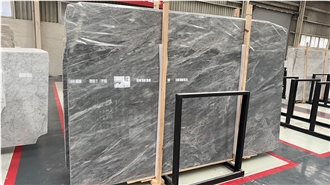
Himalayan Gray Marble is a type of natural stone known for its elegant appearance and unique color palette. It is quarried from Provincia di Lucca, Apuan Alps mountain range in Italy. This marble is highly prized for its distinctive gray tones and intricate veining patterns, which create a sense of depth and visual interest.

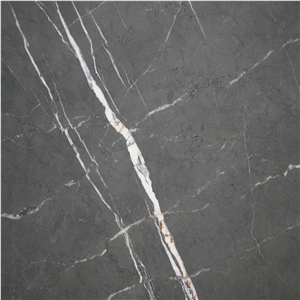
The predominant color of Himalayan Gray Marble is a cool, soft gray, often with undertones of blue or green. The specific shades can vary, ranging from light to medium gray, with some slabs exhibiting darker or lighter variations. This natural variation adds to the stone's charm and individuality.

One of the standout features of Himalayan Gray Marble is its intricate veining. The veins can be subtle or bold, weaving their way across the surface in intricate patterns. They can range in color from white and light gray to darker shades, creating a striking contrast against the gray background. These veins give the marble a sense of movement and lend a touch of sophistication to any space.

In terms of texture, Himalayan Gray Marble has a smooth and polished surface that enhances its visual appeal. Its natural luster adds a touch of elegance and luxury to any interior or exterior application. It can be used in various applications, including flooring, wall cladding, countertops, vanity tops, and even decorative accents.Himalayan Gray Marble is highly regarded for its durability and strength. It is a dense and hardwearing stone that can withstand daily wear and tear, making it suitable for both residential and commercial applications. Proper care and maintenance, including sealing and regular cleaning, can help preserve the marble's beauty and ensure its longevity.

The elegant and timeless appearance of Himalayan Gray Marble makes it a popular choice for interior design projects. Its neutral gray color complements a wide range of design styles, from contemporary to traditional. Whether used in bathrooms, kitchens, living areas, or commercial spaces, Himalayan Gray Marble adds a touch of sophistication and natural beauty to any environment.

Overall, Himalayan Gray Marble is a stunning natural stone with its unique gray color, intricate veining, and polished surface. Its versatility, durability, and aesthetic appeal make it a sought-after choice for a wide range of architectural and design applications.

Mineralogical Composition of Himalayan Gray Marble % wt:

  • Calcite: 50-70%
  • Dolomite: 30-50%
  • Quartz: 5-10%
  • Mica: 2-5%
  • Chlorite: 1-3%
  • Other minerals: <1%

FAQ

What happens to Himalayan Gray Marble commercial floors if not sealed?

If Himalayan Gray Marble commercial floors are not sealed, they can become stained and discolored easily. The porous nature of marble makes it susceptible to absorbing liquids, such as water, oil, and other spills, which can lead to deep-seated stains that are difficult to remove. This can cause the floors to look dull, dirty, and unattractive over time. In addition, unsealed marble floors are more prone to damage from scratches, abrasions, and etching caused by heavy foot traffic, furniture movement, and abrasive cleaning materials. This can result in a loss of shine and smoothness on the surface of the marble, making it appear worn and aged. Overall, sealing Himalayan Gray Marble commercial floors helps to protect them from these issues and maintain their beauty, durability, and longevity. It creates a protective barrier that repels liquids, prevents stains, and resists scratches and etching. Additionally, sealing enhances the natural colors and patterns of the marble, making it look more vibrant and aesthetically pleasing.

How thick should a Himalayan Gray Marble stair step be?

The recommended thickness for a Himalayan Gray Marble stair step is typically around 1 1/4 inches (3 cm) to 1 1/2 inches (4 cm). However, the exact thickness may vary depending on the specific manufacturer or supplier. It is recommended to consult with a professional stone supplier or installer to determine the best thickness for your specific project.

What is the best cleaner for Himalayan Gray Marble fireplaces?

For Himalayan Gray Marble fireplaces, it is recommended to use a neutral pH cleaner specifically designed for marble surfaces. Some popular options include StoneTech Revitalizer Cleaner & Protector, Miracle Sealants Tile & Stone Cleaner, and Black Diamond Marble & Tile Floor Cleaner. Always test the cleaner in a small, inconspicuous area before applying it to the entire surface to ensure it does not damage or discolor the marble.

Can Himalayan Gray Marble go around a gas fireplace?

Yes, Himalayan Gray Marble can be used around a gas fireplace. Marble is a durable and heat-resistant material, making it a suitable choice for a fireplace surround. The natural beauty and elegance of Himalayan Gray Marble can enhance the aesthetic appeal of the fireplace and create a stylish focal point in the room. Just make sure to follow the manufacturers guidelines for installation and maintenance to ensure that the marble is properly cared for.

How to clean Himalayan Gray Marble countertops?

1. Start by sweeping or wiping down the countertops with a soft cloth or microfiber towel to remove any loose dirt or debris. 2. Mix a small amount of mild dish soap with warm water in a bucket or sink. 3. Dip a clean cloth or sponge into the soapy water and wring out excess water. 4. Gently wipe down the countertops with the soapy cloth, making sure to remove any stains or spills. 5. Rinse the cloth or sponge with clean water and wring out excess water. 6. Wipe down the countertops again with the clean, damp cloth to remove any soap residue. 7. Dry the countertops with a clean, dry cloth to prevent streaking. 8. For stubborn stains or heavy build-up, you can use a pH-neutral stone cleaner specifically designed for marble countertops. 9. Avoid using harsh chemicals, acidic cleaners, or abrasive scrubbers on Himalayan Gray Marble countertops, as they can cause damage to the stone. 10. To maintain the beauty and shine of your countertops, it is recommended to seal them regularly with a marble sealant according to the manufacturers instructions.

Does lemon juice damage Himalayan Gray Marble countertop?

Yes, lemon juice can potentially damage Himalayan Gray Marble countertops as it is acidic in nature. Acidic substances can etch and dull the surface of marble, causing irreversible damage. It is advisable to avoid using lemon juice or any acidic cleaners on marble countertops and instead use a pH-neutral stone cleaner specifically designed for marble surfaces.

Is Himalayan Gray Marble backsplash the same thickness as countertop?

Typically, the backsplash is not the same thickness as the countertop. Backsplashes are usually around 3/4 inch to 1 inch thick, while countertops are typically 1.25 inches to 2 inches thick. However, the thickness of the backsplash can vary depending on the manufacturer and the design of the kitchen. It is important to coordinate the thickness of the backsplash with the thickness of the countertop for a cohesive look.

Can Himalayan Gray Marble countertop be scratched with a knife?

Himalayan Gray Marble is a natural stone that is fairly durable and resistant to scratches. However, it is still possible for a sharp knife or other metal objects to scratch the surface if enough force is applied. It is always recommended to use a cutting board or other protective surface when using knives on any countertop, including marble. Regular maintenance and sealing can help keep the surface in good condition and minimize the risk of scratches.

Is Himalayan Gray Marble better than wood for interior floors?

Both Himalayan Gray Marble and wood have their own advantages and disadvantages when it comes to interior floors, so it ultimately comes down to personal preference and the specific needs of the space. Himalayan Gray Marble is a durable and elegant natural stone that offers a luxurious and sophisticated look to any interior space. It is easy to maintain, resistant to scratches and stains, and can give a modern and upscale feel to a room. However, it can be cold and hard underfoot, and may not provide the warmth and comfort that wood flooring can offer. Wood flooring, on the other hand, is a classic and timeless choice that can add warmth and character to a space. It is comfortable to walk on, provides natural insulation, and can be sanded and refinished multiple times to maintain its appearance. However, wood flooring may be more susceptible to damage from moisture, scratches, and dents compared to marble. Ultimately, the choice between Himalayan Gray Marble and wood for interior floors comes down to personal preference, desired aesthetic, and practical considerations for the specific space.

Products & Prices

View More

Hot Grey Marble

New Marble

Post Your Request

The request includes:
  1. surface finished, size
  2. quantity required