Post Your Needs

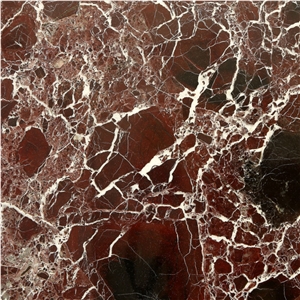
Hubei Red Marble

Red - Marble

China

About

Item Details

Material Type:
Marble
Origin:
China (Hubei)
Primary Color(s):
Red
Recommended Usage:
Exterior - Interior wall and floor applications, monuments, countertops, mosaic, fountains, pool and wall capping, stairs, window sills, etc
Additional Names:
Coral Red Marble, Hubei Coral Red Marble, Coral Red China Marble, China Red Coral Marble, China Coral Red Marble, Rojo Coral Marble, Golden Rose Marble, in China stone market:珊瑚红(Shānhú hóng), Hubei Red Marble
Finished Surface:
Polished, Sawn Cut, Sanded, Rockfaced, Sandblasted, Tumbled

Testing

Water Absorption:
0.71 %
Density:
2610 kg/m³
Flexural Strength:
150 kg/cm2
Compressive Strength:
1079 kg/cm2

Description

Hubei Red Marble is a kind of red marble quarried in China. This stone is especially good for Exterior - Interior wall and floor applications, monuments, countertops, mosaic, fountains, pool and wall capping, stairs, window sills, etc and other design projects. It also called Coral Red Marble,Hubei Coral Red Marble,Coral Red China Marble,China Red Coral Marble,China Coral Red Marble,Rojo Coral Marble,Golden Rose Marble, in China stone market:珊瑚红(Shānhú hóng) . Hubei Red Marble can be processed into Polished, Sawn Cut, Sanded, Rockfaced, Sandblasted, Tumbled and so on.

FAQ

How can I clean the grout of Hubei Red Marble wall tiles?

Cleaning the grout of Hubei Red Marble wall tiles requires some care to avoid damaging the stone surface. Here’s a step-by-step guide: 1. **Gather Supplies**: - pH-neutral stone cleaner or a mild dish soap - Warm water - Soft-bristle brush or old toothbrush - Microfiber cloths - Grout cleaner (ensure it’s safe for use with marble) - Sealant (optional, for maintaining cleanliness) 2. **Preparation**: - Remove any loose dirt or debris from the surface with a dry microfiber cloth. - Protect the marble by dampening the tiles with plain water. This minimizes the risk of the cleaner seeping into the stone. 3. **Cleaning the Grout**: - Mix a solution of warm water and a pH-neutral stone cleaner or mild dish soap. - Dip the soft-bristle brush into the cleaning solution. - Gently scrub the grout lines, being careful not to scrub the marble surfaces directly. - For tougher stains, apply a small amount of grout cleaner. Check that the cleaner is explicitly labeled safe for natural stone. 4. **Rinsing**: - Rinse the area with clean water to remove any soap or cleaner residue. - Use a clean microfiber cloth to wipe away excess moisture. 5. **Drying**: - Thoroughly dry the area with another clean microfiber cloth. Ensuring the area is dry helps prevent water spots and potential marble damage. 6. **Sealing (Optional)**: - Once the grout is fully dry, consider applying a grout sealant to help protect against future stains and reduce porosity. - Follow the sealants instructions carefully, and make sure its suitable for areas near natural stone. 7. **Regular Maintenance**: - Regularly wipe the tiles with a soft dry cloth to prevent dirt buildup. - Avoid using acidic or abrasive cleaners, which can damage marble. By following these steps, you can clean the grout effectively while preserving the beauty of your Hubei Red Marble tiles.

Can 2cm thickness Hubei Red Marble be used for a commercial building stair steps?

Using 2 cm thick Hubei Red Marble for stair steps in a commercial building is possible, but there are several factors to consider before proceeding: 1. **Durability and Load-Bearing Capacity:** Marble is a natural stone and generally quite durable, but its load-bearing capacity depends on the specific conditions and expected usage. In a commercial building, stairs would likely experience high foot traffic, so the marble should be evaluated for its ability to withstand such conditions without significant wear or damage. 2. **Structural Support:** The marbles thickness should be adequate for the expected weight and stress. While 2 cm is relatively thin for a heavily trafficked commercial setting, additional support structures can be designed to ensure the stairs are safe and stable. 3. **Slip Resistance:** Polished marble can be slippery, especially when wet. For safety, consider surface treatments or finishes that improve slip resistance, or use non-slip mats or strips. 4. **Maintenance and Longevity:** Marble requires regular maintenance to preserve its appearance and structural integrity. Consider the cleaning and sealing routine necessary for maintaining marble in a high-traffic area and ensure that the level of upkeep is feasible for the buildings management. 5. **Aesthetics and Compatibility:** Hubei Red Marble offers a distinct aesthetic that may work well with the buildings design, but its essential to ensure it complements the overall architectural style and indoor environment. Consult with a structural engineer or architect to verify that the marble meets all necessary safety and building code requirements for your specific application. It might also be worthwhile to explore other materials or thicker slabs for increased durability and safety.

Is Hubei Red Marble suitable to use for sculpturing?

Hubei Red Marble can be used for sculpturing, but there are several factors to consider before choosing it for this purpose. Here are some points to consider: 1. **Durability:** Marble is generally softer and more porous compared to other stones like granite, which makes it relatively easier to carve but also means it may be more prone to scratches and weathering. The specific properties of Hubei Red Marble should be checked to ensure it meets the durability requirements for your sculpture. 2. **Aesthetics:** Hubei Red Marble has a distinctive reddish hue, which can lend a unique and attractive appearance to sculptures. Its important to consider whether this color aligns with the artistic vision for the piece. 3. **Workability:** Marble is often preferred for sculpting due to its relatively soft nature, allowing for detailed work. However, specific characteristics such as grain size and composition can affect its workability. 4. **Availability:** Ensure that Hubei Red Marble is available in the sizes and shapes required for your project. It may be necessary to work with a supplier familiar with this specific type of marble. 5. **Environment:** Consider where the sculpture will be placed. If it will be outdoors, be aware that marble can be affected by acid rain and other environmental factors, which may lead to erosion over time. 6. **Cost:** As a specific type of marble, Hubei Red Marble may have different pricing compared to other varieties. Ensure it fits within the budget for the project. Before proceeding, it might be beneficial to consult with a professional sculptor or a stone expert who is familiar with Hubei Red Marble to get tailored advice.

Can Hubei Red Marble be used for a fireplace mantel? Is it resistant to heat?

Hubei Red Marble can certainly be used for a fireplace mantel. Marble is a popular material for such applications due to its aesthetic appeal and ability to withstand moderate heat. However, while marble is generally heat-resistant, it can be sensitive to thermal shock, meaning it might crack if it experiences sudden temperature changes. To minimize the risk of damage, its important to ensure that the marble is not exposed directly to high temperatures or rapid temperature changes. Proper installation and using a heat shield or buffer can help protect the marble. Additionally, as with any natural stone, its advisable to consult with a professional to confirm suitability for your specific requirements and ensure correct installation.

Does coffee stain the surface of Hubei Red Marble kitchen countertop?

Yes, coffee can stain the surface of Hubei Red Marble. Marble is a natural stone that is porous and susceptible to staining from various substances, including coffee. To prevent stains, its a good idea to seal the marble regularly and clean up spills promptly. If a coffee spill occurs, wipe it up immediately with a soft, damp cloth to minimize the risk of staining. Regular maintenance and care can help preserve the appearance of your marble countertop.

Can Hubei Red Marble be used in a steam room? How does moisture and heat affect the tile surface?

Hubei Red Marble can technically be used in a steam room, but there are several factors to consider before making this choice. Marble is a natural stone that can be sensitive to moisture and heat, both of which are prevalent in a steam room environment. Here are some considerations: 1. **Porosity:** Marble is porous, meaning it can absorb moisture, which may lead to staining or water damage over time. In a steam room, constant exposure to high humidity can exacerbate these issues. 2. **Heat Sensitivity:** While marble itself can handle high temperatures, the combination of heat and moisture in a steam room may weaken the adhesive used to install the tiles or affect any sealant that has been applied. 3. **Sealing:** To mitigate moisture absorption, marble should be sealed properly with a high-quality sealant. However, this sealant will need to be reapplied regularly to maintain its effectiveness, which can be costly and labor-intensive. 4. **Maintenance:** Marble requires regular maintenance to prevent issues like staining, etching, or mold growth. In a steam room, this maintenance becomes even more critical and frequent due to the humid environment. 5. **Surface Deterioration:** Over time, the combination of heat and moisture can lead to surface deterioration, affecting the marbles appearance with possible dulling or development of white marks from mineral deposits. For these reasons, while Hubei Red Marble can be used, it may not be the most practical or durable choice for a steam room setting. More robust options like porcelain or ceramic tiles, which are less porous and more resistant to heat and moisture, might be better suited for such an environment.

How thick is China's Hubei Red Marble slabs?

The thickness of Hubei Red Marble slabs can vary depending on the specific project requirements and customer preferences. However, common thickness options for Hubei Red Marble slabs range from 2 centimeters (0.8 inches) to 3 centimeters (1.2 inches).

Can China's Hubei Red Marble be used in landscaping?

Yes, Chinas Hubei Red Marble can be used in landscaping. Hubei Red Marble is a type of natural stone that is known for its beautiful red color and unique veining patterns. It is commonly used for exterior applications such as paving, walkways, driveways, and outdoor patios. The durable nature of this marble makes it suitable for use in landscaping projects, as it can withstand various weather conditions and is resistant to wear and tear. Additionally, its vibrant red color can add an aesthetically pleasing element to any outdoor space.

Can China's Hubei Red Marble be used exterior applications in very humid climates?

Chinas Hubei Red Marble can be used in exterior applications in humid climates, but some precautions need to be taken. Marble is a natural stone and is susceptible to weathering and deterioration when exposed to the elements. In very humid climates, the high moisture content in the air can accelerate the deterioration process of the stone. It is essential to ensure proper installation, sealing, and maintenance to minimize potential issues. Here are a few considerations to keep in mind: 1. Sealing: Hubei Red Marble should be adequately sealed with a high-quality stone sealer suitable for exterior use. Sealing helps to protect the stone from moisture penetration and staining, reducing the chances of damage. 2. Proper Installation: Ensuring proper installation techniques is crucial for any exterior application. Adequate waterproofing, using appropriate adhesives and grouts, and following industry best practices will help in maintaining the marbles durability. 3. Regular Cleaning and Maintenance: Regular cleaning and maintenance are necessary to prevent the buildup of dirt, algae, or moss on the marbles surface. It is recommended to use mild, pH-neutral cleaners and avoid harsh chemicals that may damage or discolor the stone. 4. Shading and Finishes: The natural variation in Hubei Red Marble makes it important to consider shading and finishes that are suitable for exterior use. Some finishes, like a honed or matte surface, might be more suitable compared to polished surfaces, as they can be less slippery. 5. Climate Conditions: While Hubei Red Marble can be used in humid climates, it is essential to consider the severity of the local climate. If the area experiences extreme temperature variations or is prone to heavy rainfall, additional care and maintenance may be required. Ultimately, consulting with a stone specialist or professional installer who is familiar with the specific marble and climate conditions is recommended. They will be able to provide tailored advice and recommendations based on your specific requirements and location.

Can China's Hubei Red Marble be used in a kitchen?

Yes, Chinas Hubei Red Marble can be used in a kitchen. Marble is a commonly used material for kitchen countertops, flooring, and backsplashes due to its natural beauty and durability. Hubei Red Marble, which originates from the Hubei province in China, is known for its striking red color with white and black veins, making it an attractive option for kitchen design. However, it is important to note that marble is a softer stone and can be prone to stains and scratches. Proper sealing and regular maintenance are necessary to preserve its appearance in a high-traffic area like a kitchen.

Products & Prices

View More

Hot Red Marble

New Marble

Post Your Request

The request includes:
  1. surface finished, size
  2. quantity required