Post Your Needs

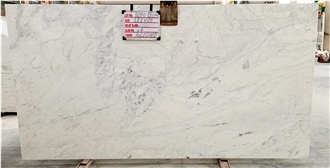
India River White Marble

Marble

India

About

Item Details

Material Type:
Marble
Origin:
India
Recommended Usage:
kitchen and bathroom countertops, wash basins, building stone, ornamental stone, stairs, interior, exterior wall and floor applications, mosaic, waterjet pattern, wall panels, table tops, balustrades, columns, wall and pool copings, pool pavers, sculptures, fireplaces, window sills
Additional Names:
River White Marble, White River Marble, River Blue Marble
Finished Surface:
Polished,Bush Hammered,Tumbled,Brushed,Honed,Split,Machine Cut,Natural Surface,Sandblasted,Combed,Leathered,Water Jet,Filled,Chiseled,Pickling

Testing

Water Absorption:
0.2–0.35%
Density:
2660–2700 kg/m³
Flexural Strength:
13–16 MPa
Compressive Strength:
110–130 MPa

Description

India River White Marble is a refined natural stone quarried in India, featuring a pale creamy white to light greyish-white base that creates a bright, calm, and elegant appearance. The surface is characterized by delicate, irregular veining in shades of grey, charcoal, and light brown, with occasional subtle hints of green or blue, forming soft, flowing patterns that resemble natural river currents or gentle waves. These veins vary in density and intensity, with some areas showing fine, sparse lines and others displaying more concentrated clusters, giving the stone a dynamic yet harmonious look.

Texture & Pattern: Fine- to medium-grained crystalline structure with a smooth, compact surface; flowing, wave-like veining with organic and uneven distribution.

Technical Test Results (approx.):

  • Bulk density: 2.66–2.70 g/cm³
  • Water absorption: 0.2–0.35%
  • Compressive strength: 110–130 MPa
  • Flexural strength: 13–15 MPa
  • Abrasion resistance: Moderate
  • Mohs hardness: 3–4

Chemical & Mineral Composition (approx. % by weight):

  • Calcite (CaCO₃): 85–95%
  • Dolomite: 2–6%
  • Silica & quartz: 1–5%
  • Iron oxides & trace minerals: minor amounts

Performance & Properties: Compact and workable marble with good aesthetic consistency; suitable for interior use with moderate traffic.

Usage: Interior flooring, wall cladding, bathroom walls, vanity tops, staircases, feature walls, columns, and decorative architectural elements.

Maintenance: Requires periodic sealing due to natural porosity; clean with pH-neutral products and avoid acidic cleaners to maintain surface quality and polish.

Surface Finish Options: Polished (high gloss and clarity), honed (matte smooth), brushed (soft textured), leathered (natural feel), and antiqued finishes depending on design requirements.

FAQ

How can I maintain India River White Marble flooring?

Maintaining India River White Marble flooring involves regular and careful attention to preserve its natural beauty and longevity. Here are some tips for maintaining your marble flooring: 1. **Regular Cleaning:** - **Dust and Mop**: Use a dry, soft cloth or a microfiber mop to remove dust and loose dirt regularly. Avoid using a vacuum cleaner with a beater bar that can scratch the surface. - **Damp Mop**: Use a damp mop with warm water for routine cleaning. Ensure the mop is only slightly damp to avoid water soaking into the marble. 2. **Cleaning Solutions:** - Use a pH-neutral, non-abrasive cleaner specifically designed for marble. Avoid acidic or alkaline cleaners, vinegar, or any harsh chemicals that can damage the marble. - Mix the cleaner with water according to the product instructions and use a soft mop or cloth to clean the floor. 3. **Preventative Measures:** - **Sealing**: Marble is porous, so periodic sealing can help prevent staining. Use a high-quality marble sealer and follow the manufacturer’s instructions for application. Reapply as needed – typically every six months to a year depending on usage. - **Rugs and Mats**: Place non-slip mats or throw rugs near entrance areas to catch dirt and prevent scratches. Avoid rubber-backed rugs, which can trap moisture and damage marble. - **Furniture Pads**: Use felt pads under furniture legs to prevent scratching and damage when moving furniture. 4. **Stain Prevention and Removal:** - Wipe up spills immediately to prevent staining. Be cautious with acidic substances like lemon juice, vinegar, and wine, which can etch or stain the marble. - If a stain occurs, use a poultice paste designed for marble to lift the stain. Follow product instructions carefully. 5. **Avoiding Damage:** - Avoid dragging heavy objects across the floor; lift and carry them instead. - Keep pets nails trimmed to prevent scratches. 6. **Professional Maintenance:** - Consider hiring professionals for deep cleaning, polishing, and resealing periodically to maintain the marbles shine and durability. By implementing these practices, you can keep your India River White Marble flooring looking pristine for years to come. Regular attention and proper care will help preserve its beauty and structural integrity.

Is India River White Marble a suitable choice for facades in cold winter climates?

India River White Marble can be used for facades in cold winter climates, but there are several factors to consider to ensure its suitability and longevity: 1. **Porosity and Absorption**: Marble is a natural stone that can absorb water. In freeze-thaw conditions, this can lead to cracking or spalling if the water within the stone freezes and expands. 2. **Durability**: Although marble is durable, its softer compared to granite and can be prone to scratching or weathering over time, especially in harsh climates. 3. **Finish**: The finish of the marble can affect its performance. A honed or rough finish might be better than a polished one for exterior use, as it could provide better resistance to weathering. 4. **Sealing**: Proper sealing is crucial to reduce water absorption, thereby minimizing the risk of damage from freeze-thaw cycles. 5. **Installation and Maintenance**: Ensure professional installation and regular maintenance to address any potential issues such as cracks or water penetration. 6. **Thermal Expansion**: Marble can expand and contract with temperature changes. Proper joints and anchorage need to accommodate this movement. 7. **Aesthetic Considerations**: Marble can weather and change appearance over time. Consider how weathering might affect your design aesthetic. In summary, while India River White Marble can be used in cold climates, careful consideration and proper installation are required to mitigate potential weather-related issues. Consulting with a stone specialist or architect experienced in cold weather applications is advisable.

Can I use bleach when cleaning a India River White Marble kitchen countertop?

Using bleach on Indian River White Marble or any marble surface is not recommended. Marble is a porous and relatively soft natural stone that can be easily stained or etched by acidic or harsh chemicals. Bleach can cause discoloration, damage the finish, and even weaken the stone over time. For cleaning marble countertops, it is best to use a pH-neutral cleaner specifically designed for natural stone or simply use mild dish soap with warm water. Always use a soft cloth or sponge to clean the surface, and avoid abrasive pads or brushes that might scratch the marble. After cleaning, make sure to thoroughly rinse and dry the surface to prevent water spots or residual soap film. Periodically sealing the marble can also help protect it from stains and damage.

If I cut meat directly on my India River White Marble kitchen countertop, will it damage the surface?

Cutting meat directly on an India River White Marble countertop is not recommended for several reasons. Marble is a relatively soft and porous stone, which makes it susceptible to scratches and stains. Using a knife directly on the marble surface can easily cause scratches, and any acidic substances from the meat, such as juices, could etch the marble, leading to permanent dull spots or discoloration. To preserve the beauty and integrity of your marble countertop, use a cutting board whenever youre preparing food. This will protect the surface from damage and help maintain its appearance over time. Additionally, cleaning up any spills immediately, especially acidic substances, will help minimize the risk of staining or etching the marble.

My India River White Marble kitchen countertop edge is broken. How can I glue it back, and will it look like before?

Repairing a broken marble countertop edge can be a delicate task, but it can often be done with careful attention and the right materials. Here are some steps you can follow to try and repair the edge yourself: 1. **Safety First**: Always wear appropriate safety gear, such as gloves and safety goggles, to protect yourself from sharp edges and chemicals. 2. **Clean the Area**: Thoroughly clean the broken pieces and the area of the countertop where they broke off. Use a non-abrasive cleaner to remove any dirt, dust, or grease. Make sure everything is completely dry before proceeding. 3. **Choose the Right Adhesive**: For marble, a good quality epoxy or specialized stone adhesive is typically used. Epoxy resin is durable and provides a strong bond thats suitable for stone. 4. **Test Fit the Pieces**: Before applying any adhesive, fit the broken piece back onto the countertop to ensure it aligns properly. This step is crucial for ensuring the final repair is as seamless as possible. 5. **Apply Adhesive**: Follow the instructions on the adhesive for the best results. Mix the epoxy if necessary, and apply it evenly to both surfaces being joined. Be careful not to use too much, as it can squeeze out and create a mess. 6. **Join the Pieces**: Carefully press the broken piece back into place. Apply even pressure to ensure a strong bond. You might need to use clamps to hold the piece in position while the adhesive cures. 7. **Remove Excess Adhesive**: Immediately wipe away any excess adhesive that squeezes out during joining with a damp cloth, before it hardens. 8. **Allow Time to Cure**: Follow the recommended curing time on the adhesive package. It’s important to not disturb the repair during this time. 9. **Finishing Touches**: Once the adhesive has cured, you may want to lightly sand the seam to make it as smooth as possible and blend it with the surrounding marble. Use very fine sandpaper so you dont scratch the surface. 10. **Seal the Marble**: If the marble was originally sealed, consider reapplying a marble sealer to the repaired area to protect it from stains and moisture. As for whether it will look like before, it depends on several factors including the precision of the repair, the adhesive color matching, and the skill involved in the process. A professional repair may yield a better appearance, especially if the broken pattern is complex or if a perfect color match is required. If aesthetics are a major concern, it might be worth consulting a professional stone restorer who could achieve a less noticeable repair.

If I use 1.2 cm thick India River White Marble as a table top, will it be strong enough? Will it break easily?

Using 1.2 cm thick India River White Marble as a tabletop can be feasible, but there are a few considerations to keep in mind regarding its strength and durability: 1. **Thickness**: Generally, marble tabletops are recommended to be at least 2 cm thick to provide adequate strength and durability. A thickness of 1.2 cm is relatively thin, which could make the tabletop more susceptible to breaking or cracking under pressure or impact. 2. **Support and Substrate**: If you choose to use 1.2 cm thick marble, make sure it is well-supported. This might involve placing it on a sturdy substrate, such as plywood or a metal frame, to help distribute weight and minimize stress on the marble. 3. **Use and Care**: Marble is a relatively soft and porous stone, making it prone to scratches, stains, and etching from acidic substances. Regular sealing and careful use (e.g., using coasters and trivets) will help maintain its appearance and integrity. 4. **Size and Span**: The size and span of the tabletop without support will affect whether the 1.2 cm marble can withstand use. Large, unsupported spans increase the risk of breakage. 5. **Load**: Consider the intended use of the table and the types of loads it will need to support. A marble of this thickness may not be suitable for heavy loads. If you prefer the aesthetic of a thinner marble yet want to ensure durability, you might explore options like reinforced marble, which has a backing that provides extra strength, or using the marble as a veneer over a solid surface. Always consult with a professional stone fabricator or structural engineer for advice specific to your project.

Products & Prices

View More

Hot Marble

New Marble

Post Your Request

The request includes:
  1. surface finished, size
  2. quantity required