Ionia Marble

About
Item Details
- Material Type:
- Marble
- Origin:
Greece (Pilion, Lafkos, Magnesia, Marathon, Attika) - Primary Color(s):
- Semi White
- Recommended Usage:
- Kitchen and bathroom countertops, wash basins, building stone, ornamental stone, stairs, interior, exterior wall and floor applications, mosaic, waterjet pattern, wall panels, table tops, balustrades, columns, wall and pool copings, pool pavers, sculptures, fireplaces, window sills
- Additional Names:
- Egeo Ondulato Marble, Cloudy Fantasy Marble, Ionian White Marble, Ionia White Marble, in China Market:爱奥尼亚(ài ào ní yǎ), Ionia Marble
- Finished Surface:
- Polished,Tumbled,Brushed,Honed,Split,Machine Cut,Natural Surface,Sandblasted,Combed,Leathered,Water Jet,Filled,Chiseled,Pickling
Testing
- Water Absorption:
- 0.07 % wt
- Density:
- 2650 kg/m3
- Flexural Strength:
- 17 - 17.3 MPa
- Compressive Strength:
- 81 - 82.6 MPa
- Stone texture:
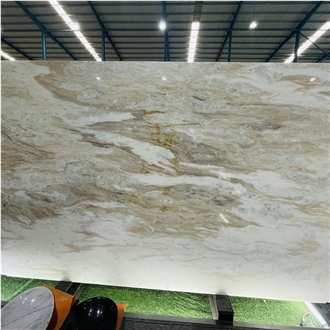
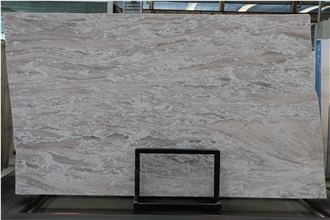
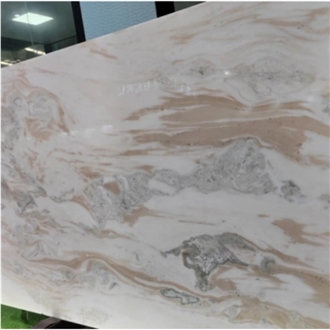
- a creamy white to very light beige base, serving as a calm and neutral backdrop. Across this base flow gentle, cloud-like veins and wisps in light to medium gray. The veining is organic and fluid, resembling gentle smoke or flowing water, creating a sense of serene movement without harsh contrasts
Description
Ionia Marble is a type of marble quarried primarily in regions of Greece such as Pilion, Lafkos, Magnesia, Marathon, and Attika. It is prized for its aesthetic appeal and versatile applications in architecture and design. Below are its detailed characteristics:
Physical Properties:
- Appearance: Creamy white to very light beige base with light to medium gray, cloud-like veining.
- Water Absorption: 0.07% by weight
- Density: 2650 kg/m³
- Flexural Strength: 17 - 17.3 MPa
- Compressive Strength: 81 - 82.6 MPa
- Hardness: Generally medium, suitable for various applications but requires care to avoid scratching.
- Porosity: Low porosity, contributing to its durability and resistance to stains.
- Slip Resistance: Can vary depending on the finish; polished surfaces may be more slippery when wet compared to honed or brushed finishes.
Chemical and Mineral Composition (Approximate % by Weight):
- Calcium Carbonate (CaCO₃): Predominant component, around 95%-98%
- Silica (SiO₂): Trace amounts, contributing to the formation of veining
- Alumina (Al₂O₃), Iron Oxide (Fe₂O₃), Magnesium Oxide (MgO): Present in small percentages contributing to color and structural properties
Common Uses:
- Interior Applications: Flooring, wall cladding, countertops, fireplaces, bathroom vanities, and decorative items.
- Exterior Applications: Facades, paving, and garden furniture, with appropriate sealing and care.
Maintenance:
- Cleaning: Use pH-neutral cleaners and avoid acidic or abrasive agents that can etch or scratch the surface.
- Sealing: Periodic sealing recommended to maintain resistance to stains and enhance longevity.
- Polishing: Regular polishing can help maintain its shine, especially on high-traffic or exposed surfaces.
Surface Finish Options:
- Polished: High-gloss finish that enhances the color and veining, but can be slippery.
- Honed: Smooth, matte finish offering a more understated look with better slip resistance.
- Brushed: Textured finish providing rustic appeal and very good slip resistance.
- Tumbled: Weathered, aged look that works well in traditional or rustic designs.
- Sandblasted: Rough texture that improves slip resistance, ideal for outdoor applications.
Ionia Marble, with its elegant appearance and impressive physical properties, remains a popular choice in both classic and contemporary designs, requiring routine maintenance to preserve its beauty and functionality.
FAQ
The thickness of Greeces Ionia Marble slabs can vary depending on the specific requirements of the project. However, standard thickness options for marble slabs typically range from 2 centimeters (3/4 inch) to 3 centimeters (1 1/4 inch).
Are there color variations of Greece's Ionia Marble?
Yes, there are color variations of Greeces Ionia Marble. Ionia Marble can range in color from pure white to light gray, with some examples exhibiting subtle veining or patterns in shades of gray or beige. Additionally, it is possible to find Ionia Marble with warmer tones, such as light yellow or cream. The color variations depend on the specific quarry and geological conditions in different regions of Greece.
Can Greece's Ionia Marble be used in a office?
Yes, Greeces Ionia Marble can be used in an office. It is a beautiful and durable type of marble that can add a touch of elegance and sophistication to any space. It can be used for various applications such as flooring, countertops, wall cladding, and even decorative pieces like tabletops or reception desks. However, keep in mind that marble requires regular maintenance and sealing to preserve its appearance and prevent staining or scratching.
Can Greece's Ionia Marble be used in floor coverings?
Yes, Greeces Ionia Marble can be used in floor coverings. Ionia Marble is a type of white marble which is known for its elegance and beauty. It is often used in various applications, including flooring. Its natural veining and color variations make it a popular choice for adding a luxurious touch to floors. It can be used in various settings such as residential homes, commercial buildings, hotels, and other interior spaces.
Can Greece's Ionia Marble be used exterior applications in very dusty climates?
Yes, Greeces Ionia Marble can be used for exterior applications in dusty climates. Ionia Marble is known for its durability and resistance to weathering, making it suitable for outdoor use. However, like any natural stone, regular maintenance may be required to keep it clean and free from dust in such climates. It is recommended to consult with a stone professional or supplier for specific advice on the care and maintenance requirements of Ionia Marble in dusty environments.
What grade is Greece's Ionia Marble?
Greeces Ionia Marble is classified as Grade A quality marble.
What is the coefficient of friction of Chiseled Greece's Ionia Marble tiles?
The coefficient of friction of Chiseled Greeces Ionia Marble tiles can vary depending on specific factors such as the surface finish, texture, and other conditions. To determine the exact coefficient of friction, it is recommended to consult with the manufacturer or supplier of the marble tiles as they would have the most accurate and up-to-date information on the specific product.
Is Greece's Ionia Marble an expensive stone?
I dont have access to current market prices and cannot provide an accurate answer regarding the pricing of Ionia Marble. However, it is known that marble can range from relatively affordable to very expensive based on various factors such as rarity, quality, and availability. Therefore, its possible that Ionia Marble can be an expensive stone depending on these factors.


6YR