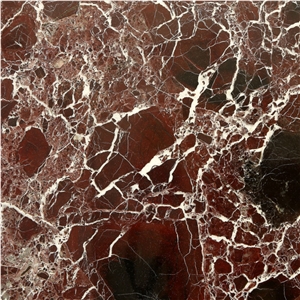
Chinas Iron Red Marble can be used in exterior applications in humid climates but may require additional precautions and maintenance compared to other materials.
Marble is a natural stone that is generally considered suitable for outdoor use due to its durability and resistance to weathering. However, some factors need to be taken into consideration when using marble in very humid climates:
1. Porosity: Marble is a porous stone, meaning it can absorb moisture if not properly sealed. In humid environments, there is a higher risk of moisture seeping into the stone, causing discoloration, staining, or even degradation over time. Applying a high-quality sealer specifically designed for marble can help reduce its porosity and protect it from the effects of moisture.
2. Maintenance: In humid climates, the frequency of maintenance and cleaning may need to be increased. Regularly cleaning the marble surface with a mild, non-acidic cleanser and avoiding harsh chemicals can help prevent any build-up of dirt, algae, or mold.
3. Shading and finish: Choosing a properly finished marble with a natural or honed finish rather than a polished one may be more suitable for exterior applications in humid climates. Polished marble can become slippery when wet, which can be a safety concern.
4. Temperature changes: In very humid climates, temperature fluctuations can occur frequently, which may cause expansion and contraction of the stone. To minimize the risk of cracking or other damage, it is essential to install the marble using proper techniques and allow sufficient room for the stone to expand and contract.
Overall, while Chinas Iron Red Marble can be used in exterior applications in very humid climates, it requires maintenance, regular cleaning, and proper installation to ensure its longevity and aesthetic appeal. Consulting with a professional contractor or marble supplier can provide more specific guidance based on the local climate and conditions.


 China

 7YR


 Italy


 Iran

 Spain

 France


 Myanmar


