


 Turkey
Can Turkey's Jasmine Marble be used exterior applications in cold climates?
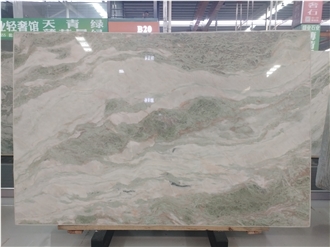
Turkeys Jasmine Marble can generally be used for exterior applications in cold climates, but there are some factors to consider. Marble is a natural stone and can be affected by freezing temperatures, especially if water penetrates its surface. Here are a few important points to consider:
1. Frost Resistance: Turkeys Jasmine Marble is typically considered frost-resistant, meaning it can withstand freezing temperatures without significant damage. However, you should check the specific variety and grade of the marble to be sure it has good frost resistance.
2. Water Absorption: The water absorption rate of the marble is also crucial. Lower water absorption rates indicate better durability against the effects of freezing and thawing. It is recommended to choose a marble variety with a low water absorption rate (ideally below 0.5%).
3. Quality & Finishing: The quality and finishing of the marble play a significant role in its durability. Ensure that the stone is properly sealed and finished to protect it from moisture infiltration, which can cause damage during freezing conditions.
4. Maintenance: Regular maintenance is essential for exterior marble installations in cold climates. Keep the surface clean from snow, ice, and debris to prevent water penetration. Additionally, resealing the marble periodically will help maintain its protective barrier.
By considering these factors, you can determine whether Turkeys Jasmine Marble is suitable for exterior applications in cold climates. However, its always advisable to consult with stone professionals, architects, or suppliers who have experience with natural stone in similar environments to get the best guidance for your specific project.

 4YR

 China


 Italy


 Iran


 Bolivia

 Greece

 Namibia

 Sierra Leone

 Angola

 Bosnia and Herzegovina