Post Your Needs

Jasto Romano Marble

Blue - Marble

Brazil

About

Item Details

Material Type:
Marble
Origin:
Brazil
Primary Color(s):
Blue
Recommended Usage:
kitchen and bathroom countertop, wash basins, building stone, ornamental stone, stairs, interior, exterior wall and floor applications, mosaic, water-jet pattern, wall panels, table tops, balustrades, columns, wall and pool copings, pool pavers, sculptures, fireplaces, window sills
Additional Names:
Jasto Romano Blue Quartzite, Azul Jasto Romano Marble, Jasto Romano, Jasto Romano Marble
Finished Surface:
Polished,Bush Hammered,Tumbled,Brushed,Honed,Split,Machine Cut,Natural Surface,Sandblasted,Combed,Leathered,Water Jet,Chiseled,Pickling

Testing

Water Absorption:
0.15 - 0.35%
Density:
2680 - 2720 kg/m³
Flexural Strength:
13 - 16 MPa
Compressive Strength:
120 - 150 MPa

Description

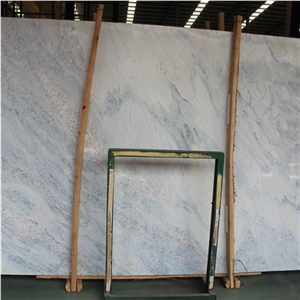
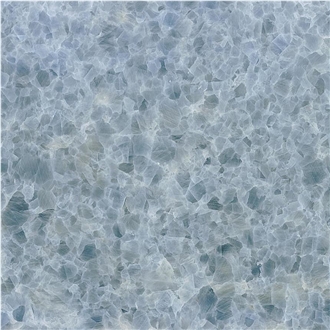
Jasto Romano Marble is a stunning natural stone, known for its striking blue coloration and unique organic veining patterns. Quarried in Brazil, this marble is often classified by some suppliers as a quartzite due to its robust properties. Below is a detailed description of its physical, mechanical, chemical, and mineral properties, along with potential usage, maintenance guidelines, cutting sizes, and surface finish options.

Physical and Mechanical Properties

  • Water Absorption:Low, typically in the range of 0.15% to 0.35%, indicating good resistance to moisture.
  • Density:Approximately 2.68 - 2.72 g/cm³, reflecting its solid and dense nature.
  • Flexural Strength:Around 13 - 16 MPa, showcasing its ability to withstand bending or flexing forces.
  • Compressive Strength:Typically between 120 - 150 MPa, depending on the specific quarry source, suitable for high-load applications.
  • Hardness:Ranges from 6 to 7 on the Mohs scale, indicating a strong resistance to scratches and abrasion.
  • Porosity:Generally low, aiding in its durability and low maintenance requirements.
  • Slip Resistance:Dependent on the finish; honed and textured finishes generally provide better slip resistance compared to polished surfaces.

Chemical and Mineral Composition

The composition varies slightly by quarry, but typical compositions include:

  • Quartz: 60-70%
  • Feldspar: 10-15%
  • Mica: 5-10%
  • Iron Oxides: 1-3% (contributes to color variations)
  • Calcite and Dolomite: Varies, but contributes to carbonate content

Usage

  • Interiors: Suitable for countertops, backsplashes, flooring, and wall cladding due to its aesthetic appeal and robustness.
  • Exteriors: Can be used for outdoor applications like façades and outdoor flooring in mild climates due to its strength and low water absorption.
  • Other Applications: Furniture tops, staircases, and decorative elements.

Maintenance

  • Cleaning: Use a mild pH-balanced cleaner to avoid etching or dulling the surface.
  • Sealing: Regular sealing (depending on use) is recommended to protect against stains and enhance durability.
  • Avoid: Acidic cleaners that may etch or damage the marble surface.

Cutting Sizes (in cm)

Common custom sizes vary based on project requirements but standard slab dimensions include:

  • 60 x 60 cm
  • 120 x 60 cm
  • 120 x 240 cm slabs for larger installations.

Surface Finish Options

  • Polished: Offers a glossy, reflective surface that highlights the stone's color and veining.
  • Honed: Provides a matte finish, less reflective, with a smooth touch.
  • Leathered: Texture-enhanced finish that is soft and slightly rough.
  • Brushed: Slight texture that gives a softer, aged appearance.
  • Sandblasted: Rougher, more slip-resistant, suitable for outdoor use.
  • Flamed: Rough surface by high temperature, suitable for non-slip applications.

In summary, Jasto Romano Marble is a versatile, strong, and aesthetically appealing stone suitable for a variety of architectural and design applications. Its blue coloration and unique veining make it a standout choice for anyone seeking a sophisticated yet durable material.

FAQ

Can Brazil's Jasto Romano Marble be used exterior applications in very dusty climates?

Jaspe Romano Marble, also known as Jasto Romano Marble, is a type of marble that is known for its unique veins and patterns. While it is primarily used for interior applications such as flooring, walls, and countertops, it can also be used for exterior applications depending on the specific conditions. Brazilian marbles, including Jaspe Romano Marble, are generally considered durable and suitable for exterior use. However, when it comes to very dusty climates, there are a few factors to consider: 1. Porosity: Marbles are naturally porous, which means they can absorb water and dust to some extent. In very dusty climates, the dust particles may settle on the surface of the marble and accumulate over time. To prevent this, it is important to apply a high-quality sealer to the marble. Sealing the marble will help create a protective barrier, making it easier to clean and maintain the surface. 2. Cleaning and Maintenance: Regular cleaning and maintenance will be necessary in dusty climates to prevent the accumulation of dust on the marble surface. It is recommended to sweep or vacuum the marble regularly to remove the dust particles. Depending on the severity of the dust and dirt, a mild cleaning solution may be required for deeper cleaning. When selecting a cleaning product, ensure it is suitable for use on marble. 3. Finishing: The type of finish applied to the marble can also affect its performance in dusty climates. Polished marble surfaces tend to be smoother and more resistant to dirt and dust buildup, as compared to honed or textured finishes. Polished finishes make it easier to clean the surface and prevent dust particles from adhering to the marble. Ultimately, while Jaspe Romano Marble can be used for exterior applications in very dusty climates, proper maintenance, regular cleaning, and the application of a quality sealer are important to ensure its longevity and aesthetic appeal. It is always recommended to consult with professionals or experts in the field for specific advice based on the conditions and requirements of your project.

Can Brazil's Jasto Romano Marble be used in floor coverings?

Yes, Brazils Jasto Romano Marble can be used in floor coverings. Jasto Romano Marble is known for its unique color variations and veining patterns, making it a popular choice for various applications, including flooring. Whether it is for residential or commercial use, Jasto Romano Marble can create an elegant and sophisticated look in any space. However, it is always recommended to consult with a professional in the field to ensure proper installation and maintenance of the marble flooring.

What is the coefficient of friction of Water Jet Cut Brazil's Jasto Romano Marble tiles?

The coefficient of friction of Water Jet Cut Brazils Jasto Romano Marble tiles cannot be determined without further information or testing. The coefficient of friction depends on various factors such as the finish of the tiles, the presence of any coatings, and the surface on which the tiles are placed. It is recommended to contact the manufacturer or supplier of the tiles for specific information regarding the coefficient of friction.

Can Brazil's Jasto Romano Marble be used in a office?

Yes, Brazils Jasto Romano Marble can be used in an office. It is a popular choice for office spaces, as it exudes elegance and sophistication. The marbles unique blend of grey, beige, and cream tones can complement various office designs and color schemes. Additionally, marble is known for its durability, making it suitable for high traffic areas in an office setting.

How thick is Brazil's Jasto Romano Marble slabs?

The thickness of Brazils Jasto Romano Marble slabs can vary depending on the specific supplier and customer requirements. However, typical thicknesses for marble slabs range from 2 cm (0.79 inches) to 3 cm (1.18 inches).

Can Brazil's Jasto Romano Marble be used outdoors?

Yes, Brazils Jasto Romano Marble can be used outdoors. This marble is known for its durability and resistance to weather elements, making it suitable for various outdoor applications such as cladding, paving, and landscaping. However, it is important to note that proper sealing and maintenance are necessary to ensure its longevity and prevent any potential damage from exposure to the elements.

What grade is Brazil's Jasto Romano Marble?

There is no specific grade assigned to Brazils Jasto Romano Marble as marble grading can vary based on different factors such as color, texture, and quality. The grade of a marble is typically determined by its overall appearance, durability, and suitability for specific applications. It is best to consult with a marble supplier or expert for detailed information about the grade of Jasto Romano Marble in Brazil.

Are there color variations of Brazil's Jasto Romano Marble?

Yes, there can be some color variations in Brazils Jasto Romano Marble. This type of marble is known for its warm and earthy tones, usually ranging from light beige to medium brown with subtle veining. The exact colors and patterns can vary from slab to slab, making each piece unique. Additionally, certain variations may have more prominent veins or a slightly different shade of color. It is always recommended to view multiple samples or slabs to get a good sense of the range of colors and patterns available in Jasto Romano Marble.

Is Brazil's Jasto Romano Marble an expensive stone?

I do not have access to current market prices. However, Jasto Romano Marble is known for its unique patterns and high quality, which typically makes it more expensive than other types of marble. Factors that can affect the price of Jasto Romano Marble include availability, demand, and quality grade.

Products & Prices

Hot Blue Marble

New Marble

Post Your Request

The request includes:
  1. surface finished, size
  2. quantity required