Post Your Needs

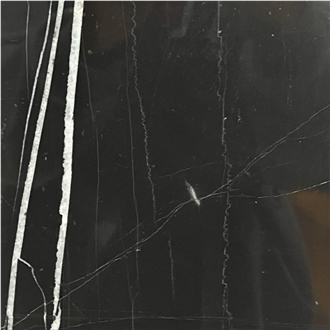
K Goldano Marble

Black - Marble

Pakistan

About

Item Details

Material Type:
Marble
Origin:
Pakistan (Balochistan)
Primary Color(s):
Black
Recommended Usage:
Exterior - Interior wall and floor applications, monuments, countertops, mosaic, fountains, pool and
Additional Names:
Goldano, Goldano Marble, Goldano Black Limestone, Goldano Black, King Gold Marble, K Goldano, R Goldano, Black Gold, Black n Gold, Black and Gold, Black & Gold, Ouro Negro TP, Micheal Angelo, Michael Angelo, Michelangelo, Leopardo, Black Gold Marble, K Goldano Marble
Finished Surface:
Polished, Sawn Cut, Sanded, Rockfaced, Sandblasted, Tumbled

Testing

Water Absorption:
0.74 %
Density:
2712 kg/m3
Compressive Strength:
186.2 MPa

Description

As a kind of black marble from Pakistan, K Goldano Marble is commonly used in Exterior - Interior wall and floor applications, monuments, countertops, mosaic, fountains, pool and and so on. K Goldano Marble can also be called Goldano,Goldano Marble,Goldano Black Limestone,Goldano Black,King Gold Marble,K Goldano,R Goldano,Black Gold,Black n Gold,Black and Gold,Black & Gold,Ouro Negro TP,Micheal Angelo,Michael Angelo,Michelangelo,Leopardo,Black Gold Marble and so on. It can be turned into different surface finishing:Polished, Sawn Cut, Sanded, Rockfaced, Sandblasted, Tumbled, etc.

FAQ

What makes K Goldano Marble sparkle?

K Goldano Marble sparkles due to the presence of minerals and inclusions within the stone. The sparkling effect is typically caused by the presence of crystalline minerals such as mica, quartz, or pyrite. These minerals reflect and refract light, creating a sparkling or shimmering appearance on the surface of the marble. Additionally, the texture and polish of the marble can enhance the sparkle by reflecting light in various directions.

Can K Goldano Marble terrace be waterproofed?

Yes, K Goldano Marble terrace can be waterproofed. Marble is a porous material and can absorb water, which may cause damage or staining over time. To protect the marble terrace from water damage, a waterproofing sealer can be applied to the surface. This sealer creates a barrier that prevents water from penetrating the stone, keeping it dry and reducing the risk of damage. It is recommended to consult with a professional for the best waterproofing method and products suitable for K Goldano Marble.

Does olive oil stain K Goldano Marble?

Olive oil can potentially stain K Goldano marble if it is left on the surface for an extended period of time. Marble is a porous material, and any type of oil can penetrate the surface and cause a stain. It is important to clean up any oil spills or stains on marble surfaces immediately to prevent long-term damage.

How do I waterproof K Goldano Marble floor?

To waterproof your K Goldano Marble floor, you can follow the steps below: 1. Clean the floor: Start by thoroughly cleaning the floor using a gentle marble cleaner or mild soap and water. Remove any dirt, stains, or residue from the surface. Rinse the floor with clean water and allow it to dry completely. 2. Check for sealant: Before applying a waterproofing agent, check if your marble floor already has a sealant. Sprinkle some water on the surface and observe if the water beads up or gets absorbed. If it absorbs quickly, it means the sealant has worn off and needs to be reapplied. 3. Choose a waterproofing agent: Its crucial to select a high-quality waterproofing agent specifically designed for natural stone surfaces like marble. Look for products that are non-toxic, odorless, and suitable for interior use. Its recommended to consult with a professional or follow the manufacturers instructions to choose the right product for your marble. 4. Apply the waterproofing agent: Follow the instructions provided by the manufacturer to apply the waterproofing agent. Typically, it involves using a soft cloth or sponge to evenly spread the product on the marble floor. Make sure to cover the entire surface, ensuring no spots are missed. 5. Let it dry: Allow the waterproofing agent to penetrate and dry on the surface. This may take several hours or overnight, depending on the product and environmental conditions. Be sure to keep the floor clear of foot traffic or any potential spills during the drying process. 6. Test and reapply if necessary: Once the floor is dry, perform a water test by sprinkling some water on the marble surface. If the water beads up and does not get absorbed, it indicates that the waterproofing treatment was successful. If the water is absorbed, you may need to apply an additional coat of the waterproofing agent. Repeat steps 4 and 5 as needed. Remember to regularly clean and maintain your K Goldano Marble floor with gentle cleaners specifically made for marble. Avoid harsh or acidic cleaning agents as they can damage the marble and compromise the waterproofing treatment.

Does sealing K Goldano Marble make it shiny?

Sealing K Goldano Marble can contribute to its shine but does not guarantee a glossy and polished finish. Sealing helps protect the marble from stains, moisture, and other damage, which can help maintain its natural luster. However, to achieve a deep and shiny appearance, additional polishing and maintenance may be necessary.

How do I know if my K Goldano Marble is sealed?

To determine if your K Goldano Marble is sealed, you can perform a simple test: 1. Start by cleaning the surface of the marble with a mild stone cleaner or just water and a soft cloth. Make sure to remove any dirt, dust, or stains. 2. Once the surface is clean and dry, pour a small amount of water (around the size of a coin) onto the marble. 3. Observe the water droplet for a few minutes. If the droplet beads up and does not absorb into the marble, it indicates that your marble is properly sealed and the sealant is protecting the stone. 4. However, if the water droplet is absorbed into the marble or leaves a dark mark on the surface, it suggests that the marble is not adequately sealed or the sealant has worn off over time. In this case, it would be wise to reseal the marble to prevent staining and damage. Remember to always follow the manufacturers guidelines and recommendations for sealing and maintaining your specific type of marble.

Does baking soda whiten K Goldano Marble?

Baking soda is generally not recommended for use on marbles, including K Goldano marble, as it can be abrasive and cause damage to the surface. It is best to use specific marble cleaners or consult a professional to safely and effectively whiten marble surfaces.

Can I drill K Goldano Marble countertop myself?

Drilling a K Goldano Marble countertop is possible but it requires careful planning, proper tools, and some experience with drilling into hard surfaces. Here are some steps to follow: 1. Evaluate the thickness and quality of the marble countertop. Marble can have natural variations and weak spots that might make drilling difficult or prone to cracking. 2. Choose the right drill bit. Use a diamond-tipped or carbide-tipped drill bit designed for drilling into hard surfaces like marble. These types of drill bits are harder and can withstand the pressure required to drill into the countertop. 3. Mark the drilling point. Use a pencil or masking tape to mark the exact spot where you want to drill the hole. 4. Secure the countertop. Place the marble countertop on a stable surface or use clamps to secure it firmly in place. This will prevent any movement or vibrations during drilling. 5. Use a small drill bit as a pilot hole. Start with a small-sized drill bit (around 1/8 inch) and first create a pilot hole. This will help guide the larger drill bit and prevent the marble from cracking or chipping. 6. Gradually increase the drill bit size. When the pilot hole is drilled, gradually increase the drill bit size to the desired hole size. Apply firm and steady pressure on the drill but avoid excessive force that might damage the marble. 7. Keep the surface cool. While drilling, continuously spray water or use a coolant to keep the drill bit cool and prevent the marble from overheating. 8. Take breaks. Take breaks periodically to let the drill bit and the marble cool down. This will prevent excessive heat buildup that could damage the marble. 9. Clean and smooth the hole. After drilling, use sandpaper or a sanding block to clean and smooth the edges of the drilled hole. Its important to note that drilling marble countertops should be done cautiously and with precision. If you are unsure about your capabilities or lack the necessary tools, its best to hire a professional to avoid any potential damage to the countertop.

Can I seal K Goldano Marble countertop myself?

Yes, you can seal a K Goldano Marble countertop yourself. Sealing the countertop helps protect it from staining and etching. Heres a step-by-step guide to help you: 1. Clean the countertop: Start by thoroughly cleaning the surface of the countertop using a stone-safe cleaner. Remove any dirt, dust, or stains and make sure the surface is completely dry before proceeding. 2. Select a stone sealer: Choose a high-quality stone sealer that is specifically formulated for marble countertops. Be sure to read the product instructions and verify that it is suitable for K Goldano Marble. 3. Test in a small area: Before applying the sealer to the entire countertop, perform a small test in an inconspicuous area to ensure the sealer doesnt cause any discoloration or damage. Wait for the test area to dry and examine the results. 4. Apply the sealer: Following the instructions on the sealer product, apply an even coat of sealer to the entire surface of the countertop using a clean, soft cloth or brush. Its crucial to cover the entire surface, ensuring no spots are missed. 5. Wait for absorption: Allow the sealer to absorb into the marble. This could take anywhere from a few minutes to several hours, depending on the specific sealer and the temperature of the room. 6. Buff the surface: After the recommended drying time, buff the surface of the countertop with a clean, dry cloth to remove any excess sealer and achieve a smooth finish. Make sure to remove any visible streaks or smudges. 7. Cure time: Let the countertop cure as per the instructions provided with the sealer. This usually takes 24 to 72 hours, during which time its important to avoid placing any objects on the surface or exposing it to excessive moisture. 8. Repeat if necessary: Depending on the sealer used, it may be necessary to apply multiple coats for optimal protection. Follow the manufacturers guidelines regarding the number of coats recommended. Its worth noting that marble countertops require regular resealing, typically every 6 to 12 months, to maintain their protection.

Does lemon juice stain K Goldano Marble countertop?

Lemon juice can potentially stain K Goldano Marble countertop if it is left on the surface for an extended period of time. Marble is a porous natural stone, and acidic substances like lemon juice can etch or dull the surface and cause discoloration. It is recommended to clean up any spills or drips of lemon juice immediately to avoid potential staining or damage to the marble surface.

Products & Prices

Hot Black Marble

New Marble

Post Your Request

The request includes:
  1. surface finished, size
  2. quantity required