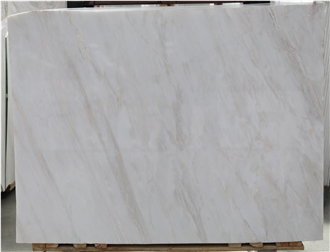
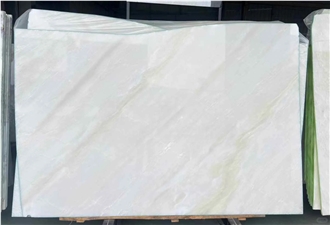
Kari Ice Marble

About
Item Details
- Material Type:
- Marble
- Origin:
Namibia - Primary Color(s):
- White
- Recommended Usage:
- kitchen and bathroom countertop, wash basins, building stone, ornamental stone, stairs, interior, exterior wall and floor applications, mosaic, water-jet pattern, wall panels, table tops, balustrades, columns, wall and pool copings, pool pavers, sculptures, fireplaces, window sills
- Additional Names:
- Kari Ice Onyx, Kari Ice Jade, Caria Ice Marble, Namibia White Onyx, Namibia White Jade, Cary Ice Marble, Royal Ice Jade Marble, in China stone market:皇室冰玉(Huángshì Bīng Yù), Kari Ice Onyx, Kari Ice Marble
- Finished Surface:
- Polished,Bush Hammered,Tumbled,Brushed,Honed,Split,Machine Cut,Natural Surface,Sandblasted,Combed,Leathered,Water Jet,Chiseled,Pickling
Testing
- Water Absorption:
- 0.15 - 0.5%
- Density:
- 2700 kg/m³
- Flexural Strength:
- 10 - 13 MPa
- Compressive Strength:
- 80 - 110 MPa
- Stone texture:
- a creamy white or light blue-grey base with delicate, wispy grey, brown, or light beige veining
Description
Kari Ice Marble is a distinctive natural stone quarried in Namibia, known for its aesthetic appeal and unique veining patterns. It features a creamy white or light blue-grey base with delicate, wispy grey, brown, or light beige veining. This marble is a popular choice in high-end architectural projects due to its elegance and versatility.
Physical and Mechanical Properties
- Water Absorption:Typically low, around 0.15% to 0.5%, indicating high density and reduced porosity.
- Density:Approximately 2.7 g/cm³, contributing to its solid and durable characteristics.
- Flexural Strength:Ranges from 10 to 13 MPa, demonstrating good bending resistance for structural applications.
- Compressive Strength:Between 80 to 110 MPa, making it suitable for load-bearing uses.
- Hardness:Mohs scale rating of 3 to 4, which is fairly typical for marble.
- Porosity:Low porosity, enhancing its resistance to staining and weathering.
- Slip Resistance:Medium to low, can be adjusted with surface finishes, making it suitable for interior floors but requiring careful consideration for wet or outdoor use.
Chemical and Mineral Compositions
- Calcium Carbonate (CaCO3):Predominant component, usually making up around 90-95% by weight.
- Silica (SiO2):Approximately 2-3%, contributing to its durability.
- Iron Oxides (Fe2O3):Typically around 1%, imparting slight coloration and unique veining patterns.
- Magnesium Carbonate (MgCO3):Around 1-2%, which may influence its hardness slightly.
- Minor Mineral Inclusions:Traces of dolomite, mica, and other silicate minerals.
Usage
-
Interior Flooring and Wall Cladding:Kari Ice Marble's aesthetic qualities make it an ideal choice for luxury residential and commercial interiors.
-
Countertops:Its durability and resistance to water make it suitable for bathroom and kitchen countertops.
-
Decorative Elements:Frequently used for fireplace surrounds, decorative tiles, and sculptures.
-
Bathrooms:Preferred for shower walls and floors for its beauty and water resistance.
Maintenance
-
Regular Cleaning:Use a pH-neutral cleaner to maintain its surface and prevent damage.
-
Sealing:Regular sealing is recommended to protect against stains and etching.
-
Avoid Abrasive Materials:Use non-abrasive cloths and avoid acid-based cleaners to maintain the finish.
Cutting Sizes and Surface Finishes
Cutting Sizes:
- Commonly available in slabs of various dimensions (e.g., 30x30 cm, 60x60 cm, 120x60 cm) to suit different design requirements.
Surface Finish Options:
- Polished: For a glossy, reflective surface.
- Honed: Provides a smooth, matte finish.
- Sandblasted: Offers a textured, slip-resistant surface.
- Brushed: Highlights the natural textures and patterns.
Kari Ice Marble from Namibia brings a touch of elegance to any space, with its versatile use in both structural and decorative capacities making it a favored choice for discerning architects and designers. Proper maintenance ensures its long-lasting beauty and functionality.


14YR