Post Your Needs

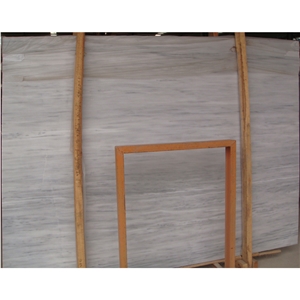
Kavala White Marble

White - Marble

Greece

About

Item Details

Material Type:
Marble
Origin:
Greece (Chalkero, Krinides, Kavala, Drama - East Makedonia)
Primary Color(s):
White
Recommended Usage:
Kitchen and bathroom countertops, wash basins, building stone, ornamental stone, stairs, interior, exterior wall and floor applications, mosaic, waterjet pattern, wall panels, table tops, balustrades, columns, wall and pool copings, pool pavers, sculptures, fireplaces
Additional Names:
Kavalas CL Marble, Kavalas ST Marble, Chalkerou Crystallina Semi White Marble, Alexander White Marble, Chalkero Kavala Marble, Uranus White Marble, Kavalas White Marble, Kavala Semi White Marble, Kavala Gray Marble, Kavalas Semi White Marble, Stenopos Kavalas Semi White Marble, China stone market:卡瓦拉白(Kǎ wǎ lā bái), Kavala White, Kavala White Marble
Finished Surface:
Polished,Bush Hammered,Tumbled,Brushed,Honed,Split,Machine Cut,Natural Surface,Sandblasted,Combed,Leathered,Water Jet,Filled,Chiseled,Pickling

Testing

Water Absorption:
0.08 %
Density:
2710 kg/m3
Flexural Strength:
13.9 MPa
Compressive Strength:
92.8 MPa
Stone texture:
Fine to medium-grained crystalline texture; bright, clean white base with subtle variations ranging from pure ivory to soft off-white

Description

Kavala White Marble is a natural stone quarried in the region of Chalkero, Krinides, Kavala, and Drama in East Makedonia, Greece. It is known for its fine to medium-grained crystalline texture and its bright, clean white base. This marble exhibits subtle variations in color, ranging from pure ivory to soft off-white, making it a versatile choice for various architectural and design applications.

Physical and Mechanical Properties:

  • Water Absorption: 0.08%
  • Density: 2710 kg/m³
  • Flexural Strength: 13.9 MPa
  • Compressive Strength: 92.8 MPa
  • Hardness: Not specified, but marble generally falls around 3-4 on the Mohs scale.
  • Porosity: Low due to its crystalline structure.
  • Slip Resistance: Typically considered moderate; surface treatment can enhance this property.

Chemical and Mineral Composition (% by weight):

While exact values may vary depending on the specific quarry source, marble generally consists of the following components:

  • Calcium Carbonate (CaCO3): Approximately 90-98%
  • Silica (SiO2): < 3%
  • Iron Oxide (Fe2O3): < 1%
  • Magnesium Oxide (MgO): Small amounts
  • Trace Minerals: May vary, impacting slight color variations and veining.

Usage:

  • Interior Design: Flooring, wall cladding, countertops, and staircases.
  • Exterior Applications: Facades and landscaping elements, although care must be taken to maintain it in outdoor settings.
  • Architectural Elements: Columns, balustrades, and ornate carvings.

Maintenance:

  • Regularly clean with a pH-neutral cleaner to avoid damaging the surface.
  • Seal periodically to reduce staining and etching.
  • Avoid exposing to acidic substances like lemon juice or vinegar.

Common Surface Finish Options:

  • Polished: Provides a glossy, reflective finish that enhances the marble's natural color and veining.
  • Honed: Offers a matte finish with a smooth surface, reducing the appearance of scratches and etches.
  • Brushed: Adds texture and minimizes slip, providing a rustic appearance.
  • Sandblasted: Provides a rough, anti-slip surface, ideal for outdoor uses.

This stone's durability and aesthetic appeal make it a popular choice for both residential and commercial applications. Proper maintenance and handling ensure its longevity and beauty over time.

FAQ

Can Greece's Kavala White Marble be used in landscaping?

Yes, Greeces Kavala White Marble can be used in landscaping. It is a popular choice for various outdoor applications due to its durability, versatility, and aesthetic appeal. This type of marble is often used for pathways, patios, garden borders, retaining walls, and decorative elements in landscaping projects. Its white color and distinctive veining pattern can add an elegant and timeless look to outdoor spaces. Additionally, Kavala White Marble is known for its resistance to weathering and wear, making it suitable for long-lasting landscape designs.

Can Greece's Kavala White Marble be used in a dining room?

Yes, Greeces Kavala White Marble can be used in a dining room. It is a luxurious and elegant material that can elevate the aesthetic of any space, including dining rooms. Its white color and natural patterns provide a timeless and sophisticated look, making it suitable for various design styles. Additionally, marble is durable and easy to clean, making it practical for use in a dining room where spills and stains are common.

Can Greece's Kavala White Marble be used exterior applications in very sunny climates?

Yes, Greeces Kavala White Marble can be used in exterior applications, including in very sunny climates. Marble is a durable and versatile natural stone that can withstand outdoor conditions, including exposure to sun and heat. However, it is important to note that marble is a porous material and can be prone to discoloration and weathering over time. Therefore, proper sealing and maintenance may be necessary to protect the marble and maintain its appearance in sunny climates.

Can Greece's Kavala White Marble be used indoors?

Yes, Greeces Kavala White Marble can be used indoors. It is often used for various indoor applications like flooring, countertops, wall cladding, and shower surrounds. Its elegant and timeless appearance makes it a popular choice for interior design projects.

Are there color variations of Greece's Kavala White Marble?

Yes, there are a few color variations of Greeces Kavala White Marble. While the base color is typically white, there can be variations in terms of the presence of veining or patterns. Some variations may have light grey or beige veins, while others may have subtle grey or gold patterns. However, it is important to note that the color variations may depend on the specific quarry and the particular slab of marble.

What is the coefficient of friction of Chiseled Greece's Kavala White Marble tiles?

The coefficient of friction of Chiseled Greeces Kavala White Marble tiles would depend on the specific conditions and surfaces involved. The coefficient of friction is typically determined by performing specific tests, such as the ASTM C1028 test, on the marble tiles. Therefore, to determine the coefficient of friction for Chiseled Greeces Kavala White Marble tiles, it is best to refer to the manufacturers technical specifications or contact the company directly.

What grade is Greece's Kavala White Marble?

Greeces Kavala White Marble is generally considered to be of high quality and of top grade. It is known for its consistent white color, fine grain, and minimal impurities, making it suitable for a wide range of applications, including architectural and interior design.

How thick is Greece's Kavala White Marble slabs?

The thickness of Greeces Kavala White Marble slabs can vary depending on the specific supplier or customer requirements. However, in general, Kavala White Marble slabs are commonly available in standard thicknesses of 2 cm (0.79 inches) and 3 cm (1.18 inches).

Is Greece's Kavala White Marble an expensive stone?

I do not have access to the latest market prices and fluctuations. However, Kavala White Marble is generally considered a premium and high-quality stone, and as such, it may be more expensive than other types of marble. The price can vary depending on the grade, thickness, and size of the marble slab, as well as the location and availability of the stone. Factors such as transportation and labor costs may also affect the final price.

Products & Prices

View More

Hot White Marble

New Marble

Post Your Request

The request includes:
  1. surface finished, size
  2. quantity required