Post Your Needs

Kenya Black Marble

Black - Marble

China

About

Item Details

Material Type:
Marble
Origin:
China (Jiangxi Province)
Primary Color(s):
Black
Recommended Usage:
Kitchen and bathroom countertops, monuments, building stone, ornamental stone, stairs, interior, exterior wall and floor applications, mosaic, waterjet pattern, balustrades, fireplaces surround, columns, wall panels, table tops
Additional Names:
Black Wooden Marble, Ancient Wood Marble, Wooden Black Marble, Silver Wave Marble, Black Wood Vein Marble, Kenya Black Marble
Finished Surface:
Polished,Bush Hammered,Tumbled,Brushed,Honed,Split,Machine Cut,Natural Surface,Sandblasted,Acid Washing,Combed,Leathered,Water Jet,Filled,Chiseled,Pickling

Description

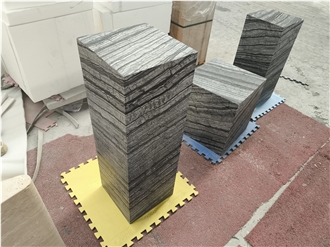
Kenya Black Marble, also known as Ancient Wood Marble, Wooden Black Marble, and Silver Wave Marble, is a captivating and unique natural stone quarried in China. This marble variety is celebrated for its striking appearance, characterized by a black-gray base color with elegant wooden veining that resembles the intricate patterns found in ancient trees.

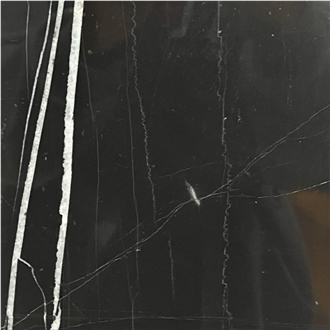
The main base color of Kenya Black Marble is a deep black-gray, exuding a sense of sophistication and mystery. This rich color provides a bold and luxurious foundation for any interior or exterior design project, creating a dramatic and timeless look.

What makes Kenya Black Marble truly distinctive are its wooden veining patterns that elegantly traverse the surface of the stone. These veining patterns are reminiscent of the growth rings found in ancient trees, capturing the essence of natural history within the marble. The combination of the dark base color with the wooden veining creates a captivating contrast that adds depth and visual interest to the stone.

The veining may vary in color, ranging from light beige to golden brown, creating a beautiful and dynamic interplay of hues. This variation adds to the stone's allure and uniqueness, making each slab of Kenya Black Marble a work of natural artistry.

Quarried in China, Kenya Black Marble benefits from the region's geological richness and skilled craftsmanship. Chinese marbles are known for their exceptional quality and durability, making Kenya Black Marble suitable for various interior and exterior applications.

When polished, Kenya Black Marble showcases a glossy and reflective surface, further enhancing the stone's colors and patterns. The polished finish not only elevates the stone's aesthetic appeal but also provides ease of maintenance, making it a practical choice for high-traffic areas.

Due to its elegant appearance and versatility, Kenya Black Marble is often used for kitchen countertops, bathroom vanities, flooring, wall cladding, and other decorative elements. Its unique veining and dark color make it an ideal choice for creating statement pieces and focal points in interior designs.

As with any natural stone, variations in veining and color may occur, making each slab of Kenya Black Marble a distinctive and exclusive piece of nature's artistry.

For those interested in using Kenya Black Marble for their projects, it is recommended to work with reputable stone suppliers who can provide accurate information on its origin, characteristics, and availability. They can also offer samples and assist in selecting the perfect marble to bring your design vision to life.

FAQ

Does chlorine affect Kenya Black Marble?

Chlorine can potentially damage Kenya Black Marble if it comes into direct contact with the stone or if it is exposed to high concentrations of chlorine for an extended period of time. Chlorine can cause discoloration, etching, or fading of the marble surface. It is recommended to avoid using chlorine-based cleaners or bleach on Kenya Black Marble and instead use a mild, pH-neutral cleaner specifically formulated for natural stone.

Is Kenya Black Marble good for swimming pool?

It is not recommended to use Kenya Black Marble for swimming pools. Marble is a natural stone and it is porous, meaning it can absorb water. When used in a swimming pool, the constant exposure to chlorine and other pool chemicals can cause the marble to deteriorate and lose its luster over time. The water can also seep into the pores of the marble, causing damage and potential cracking. Instead, it is better to choose a non-porous and more durable material specifically designed for swimming pool use, such as ceramic tiles, glass mosaic tiles, or specialized pool plaster. These materials are engineered to withstand the harsh chemicals and constant contact with water in a swimming pool environment.

Is Kenya Black Marble or granite better for stairs?

Both Kenya Black Marble and granite can be excellent choices for stairs, as they are both durable and aesthetically pleasing. However, the choice ultimately depends on your specific preferences and requirements. Granite is known for its exceptional strength and resilience. It is highly resistant to scratches, stains, and heat, making it an ideal option for heavily trafficked areas like stairs. Additionally, granite comes in a wide range of colors, allowing you to select a shade that complements your overall design aesthetic. On the other hand, Kenya Black Marble offers a luxurious and elegant appearance. It features unique veining patterns with variations in color, which can add a touch of sophistication to your staircase. While marble is slightly softer than granite, it is still relatively durable and can withstand regular use if properly maintained. Ultimately, the best choice for your stairs depends on your personal style, budget, and how much maintenance you are willing to undertake. Both Kenya Black Marble and granite offer their own distinct advantages, so it is recommended to explore samples of each material and consider your specific needs before making a decision.

Are polished Kenya Black Marble steps slippery?

Polished Kenya Black Marble steps can be slippery when wet or if there is any residue or dirt on the surface. It is always recommended to exercise caution and use appropriate footwear when walking on these steps to prevent slipping accidents. Additionally, using rugs or adding anti-slip strips can help improve traction and reduce the risk of slipping.

Can I use vinegar on Kenya Black Marble sink?

It is not recommended to use vinegar on Kenya Black Marble sink as it can etch and dull the surface of the marble. It is best to use a pH-neutral or marble-specific cleaner for cleaning and maintaining the sink.

Can I use Kenya Black Marble for a kitchen sink?

While its technically possible to use Kenya Black Marble for a kitchen sink, it is not recommended. Marble is a softer and more porous stone compared to other materials commonly used for kitchen sinks, such as stainless steel or composite materials like quartz or granite. Marble is prone to scratching, staining, and etching when it comes into contact with acidic substances like lemon juice or vinegar. It is also more susceptible to heat damage compared to other materials. Additionally, constant exposure to water and frequent cleaning can cause the marble to deteriorate over time. If you are set on using marble in your kitchen, it is more suitable for countertops or backsplashes where it will not be exposed to such heavy use and potential damage.

Are Kenya Black Marble sinks hard to clean?

Kenya Black Marble sinks, like any other marble sinks, may require more attention and care when it comes to cleaning. Marble is a delicate material that can be easily scratched or damaged by acidic or abrasive cleaners. Here are a few tips to keep in mind when cleaning a Kenya Black Marble sink: 1. Use mild soap and water: Start by cleaning the sink with a soft cloth or sponge and a mild, pH-neutral soap or detergent. Avoid using acidic or abrasive cleaners, as they can etch or dull the marble surface. 2. Wipe up spills immediately: Marble is porous and can easily absorb liquids, leading to stains. Wipe up any spills or splashes as soon as possible to prevent staining. 3. Avoid harsh scrubbing: When cleaning the sink, avoid using rough or abrasive scrubbing pads or brushes. Opt for soft cloths or non-abrasive sponges to prevent scratching the marble surface. 4. Dry the sink after cleaning: After cleaning, make sure to dry the sink thoroughly with a clean, dry cloth to prevent water spots or streaks. 5. Seal the marble: Regularly sealing the Kenya Black Marble sink can help protect it from stains and make it easier to clean. Follow the manufacturers instructions for the appropriate sealant and frequency of resealing. By following these tips and maintaining regular cleaning practices, you should be able to keep your Kenya Black Marble sink looking clean and beautiful.

What is the minimum depth of a Kenya Black Marble reception desk?

The minimum depth of a Kenya Black Marble reception desk can vary depending on various factors such as design preferences and functionality requirements. However, a typical minimum depth for a reception desk is around 24 to 30 inches (60 to 75 cm). This allows for sufficient space to accommodate a computer or other necessary equipment, as well as provide a comfortable working area for receptionists or staff. It is important to consider the specific needs and space available when determining the minimum depth of a Kenya Black Marble reception desk.

How far should Kenya Black Marble reception desk be from wall?

There is no specific standard distance for how far a Kenya Black Marble reception desk should be from the wall. The placement can vary depending on the size and layout of the room, as well as personal preference. However, it is recommended to leave enough space behind the desk for easy movement and access to any cables or outlets that may be needed. Typically, a distance of around 2 to 3 feet (60 to 90 centimeters) from the wall is often sufficient. Ultimately, the final placement should prioritize functionality and aesthetics while considering the needs of the receptionist and the available space.

What is the standard size of Kenya Black Marble reception table?

There isnt a standard size for a Kenya Black Marble reception table as it can be customized according to individual preferences and requirements. However, reception tables typically range in length from 4 to 8 feet (1.2 to 2.4 meters) to accommodate multiple guests comfortably. The width can vary between 2 to 4 feet (0.6 to 1.2 meters), providing ample space for essential items such as a computer, telephone, stationery, and other office supplies. Ultimately, the size of the reception table should be based on the available space in the reception area and the intended use.

Customer reviews

Customer reviews

Write a Review
Nic**** United States

Hello I am lookin for a round dining table top in the Kenya Black Marble.

Helpful (0) 0Reply

Products & Prices

View More

Hot Black Marble

New Marble

Post Your Request

The request includes:
  1. surface finished, size
  2. quantity required