Post Your Needs

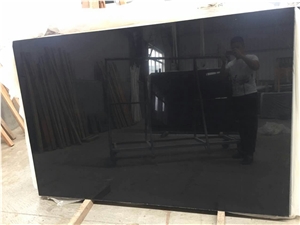
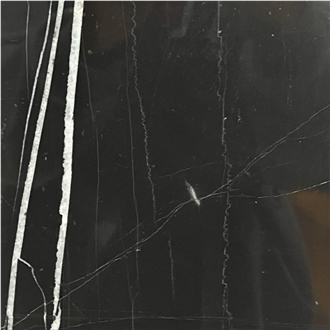
King Gold Marble

Black - Marble

Pakistan

About

Item Details

Material Type:
Marble
Origin:
Pakistan (Balochistan)
Primary Color(s):
Black
Recommended Usage:
Kitchen and bathroom countertops, monuments, building stone, ornamental stone, stairs, interior, exterior wall and floor applications, mosaic, waterjet pattern, wall panels, table tops, window sills, wall and pool copings, pool pavers
Additional Names:
Balochistan Black Marble, Pakistan Portoro Marble, Goldano Marble, Goldano Black Limestone, Goldano Black Marble, K Goldano Marble, R Goldano Marble, Golden Portoro Marble, K Black Gold Marble, Black & Gold Marble, King Gold Marble
Finished Surface:
Polished,Bush Hammered,Tumbled,Brushed,Honed,Split,Machine Cut,Natural Surface,Sandblasted,Combed,Leathered,Water Jet,Filled,Chiseled,Pickling

Testing

Water Absorption:
0.74 %
Density:
2712 kg/m3
Compressive Strength:
186.2 MPa

Description

King Gold Marble is a distinctive natural stone known for its captivating blend of colors and unique patterns. Quarried in Balochistan, Pakistan, this marble variety features the following characteristics:

Color Palette: The most prominent feature of King Gold Marble is its golden brown-black and white color mix. The interplay of these colors creates a visually striking and elegant appearance. The golden brown hues add warmth, while the white and black accents provide contrast and depth.

Unique Veining: King Gold Marble often showcases intricate and irregular veining patterns that meander across the surface. These veins can range from delicate and fine lines to bolder and more dramatic swirls. The veining contributes to the stone's unique aesthetics and makes each slab distinctive.

Natural Variation: Like many natural marbles, King Gold Marble exhibits natural variations in color intensity and veining. This ensures that each piece of marble is one-of-a-kind, allowing for personalized and unique design applications.

Versatility: King Gold Marble is a versatile material suitable for a wide range of interior applications. It is commonly used for kitchen countertops, bathroom vanities, flooring, wall cladding, fireplace surrounds, and decorative accents.

Elegance and Luxury: The combination of golden brown, white, and black hues imparts a sense of elegance and luxury to spaces where King Gold Marble is installed. It can elevate the overall aesthetic and create a sense of opulence.

Origin: Sourced from quarries in Balochistan, Pakistan, King Gold Marble carries the distinct characteristics of Pakistani stone, reflecting the geological diversity and craftsmanship of the region.

Decorative Impact: This marble's unique color combination and veining make it a favored choice for designers and architects looking to create visually captivating and aesthetically pleasing spaces.

Incorporating King Gold Marble into interior design can add a touch of sophistication and luxury. Its rich color palette, intricate veining, and unique patterns make it a popular choice for those seeking a marble variety that combines elegance with visual interest. Its versatility and ability to create striking design statements contribute to its appeal among design professionals and homeowners alike.

FAQ

What makes King Gold Marble sparkle?

The sparkling effect in King Gold Marble is due to the presence of natural mineral inclusions within the stone. These mineral inclusions, such as mica or pyrite, create reflective surfaces that reflect light and give the marble its shimmering appearance. As light hits the stone, it bounces off these mineral inclusions, resulting in a sparkling effect.

Can King Gold Marble terrace be waterproofed?

Yes, it is possible to waterproof a King Gold Marble terrace. There are various waterproofing products and techniques available that can help protect the marble from water damage. It is important to consult with a professional or a specialist in natural stone care to determine the most suitable waterproofing method for the specific type of marble and the desired level of protection.

Does olive oil stain King Gold Marble?

Olive oil can potentially stain King Gold Marble if left on the surface for a prolonged period. Marble is a porous natural stone, and oils can seep into the pores, causing stains. It is important to wipe up any spills or drips of olive oil immediately to prevent potential staining on King Gold Marble surfaces. Additionally, regular sealing of marble surfaces can help protect against stains and make cleaning easier.

How do I waterproof King Gold Marble floor?

To waterproof a King Gold Marble floor, you can follow these steps: 1. Clean the floor: Start by thoroughly cleaning the marble floor to remove any dirt, dust, or residue. Use a mild, pH-neutral cleaner and a soft mop or sponge to avoid scratching the surface. Rinse the floor with clean water and allow it to dry completely. 2. Choose a marble sealer: Select a high-quality marble sealer specifically designed for use on natural stone surfaces. Look for a sealer that provides protection against water, stains, and other types of damage. Discuss with a specialist at a home improvement store or consult the manufacturers instructions to find a suitable sealer. 3. Test the sealer: Before applying the sealer to the entire floor, its essential to perform a patch test in an inconspicuous area. Apply a small amount of sealer on a small section of the marble and wait for the recommended time (usually around 24 hours) to see if it causes any discoloration or other undesired effects. 4. Apply the sealer: Begin by pouring a small amount of sealer into a clean container. Then, dip a clean, soft cloth or a paintbrush into the sealer and apply it to the marble floor in smooth, even strokes. Make sure to cover the entire surface, including edges and corners. Avoid pooling or excessive application, as this can lead to an uneven finish. Allow the sealer to penetrate the marble according to the manufacturers instructions. 5. Remove excess sealer: After the recommended drying time, use a clean, lint-free cloth to buff away any excess sealer from the surface. Be gentle while wiping, ensuring that you do not remove the sealer from the marble pores. 6. Let it cure: Allow the sealer to cure for the specified period mentioned by the manufacturer (typically 24-48 hours). During this time, avoid foot traffic or any spills on the marble floor. 7. Maintain the sealed floor: To prolong the lifespan of the sealer, clean the marble floor regularly using a pH-neutral cleaner and warm water. Avoid using harsh chemicals or abrasive scrub brushes that could strip away the sealer. Promptly wipe up any spills to prevent staining. Remember to periodically reapply the sealer to maintain the waterproofing effect. The frequency of reapplication will depend on the foot traffic and usage of the marble floor. Refer to the manufacturers instructions for proper maintenance and resealing intervals.

Does sealing King Gold Marble make it shiny?

Sealing King Gold Marble can enhance its shine, but it does not necessarily make it shiny on its own. Sealing the marble helps protect it from stains and damage, and it can also bring out the natural variations and colors in the stone, making it appear more vibrant and glossy. However, to achieve a high level of shine, additional processes like polishing and buffing might be required.

How do I know if my King Gold Marble is sealed?

To determine whether your King Gold Marble is sealed, you can perform a simple water test. Here are the steps to follow: 1. Clean the surface: Start by ensuring the marble surface is clean. Remove any dirt, dust, or debris using a mild cleaner specifically formulated for natural stone surfaces. 2. Prepare water: Take a small amount of water in a cup or container. It should be enough to create a small puddle on the marble surface for testing. 3. Conduct the test: Pour the water onto the marble surface in the desired area. Allow it to sit for about 10-15 minutes without touching or wiping it. 4. Observe the marble: After the waiting period, examine the water droplet and the marble surface surrounding it. Look for any signs of water absorption or darkening of the stone. If the marble absorbs the water or shows any darkening, it indicates that it is not properly sealed or requires resealing. 5. Perform additional tests if necessary: If you have any doubts or if the results are inconclusive, you can repeat the water test in different areas or perform a similar test using different liquids like oil or lemon juice. However, be cautious while using acidic substances on marble, as they can etch the surface if the marble is not sealed. Remember, it is always recommended to consult a professional or marble specialist if you are unsure about the sealing status or proper maintenance of your King Gold Marble.

Does baking soda whiten King Gold Marble?

Baking soda is a mild abrasive and can be used to clean and remove stains from various surfaces, including marble. However, when it comes to whitening specific types of marble, such as King Gold Marble, it may not have the same effect. Marble is a porous stone, and its composition can vary, so it is best to consult with a professional or conduct a small test in an inconspicuous area before using baking soda to whiten or clean marble.

Can I drill King Gold Marble countertop myself?

It is not recommended to drill King Gold Marble countertop yourself unless you have experience and proper equipment for working with stone. Marble is a delicate material that can easily crack or chip if not handled carefully. It is best to hire a professional with the necessary skills and tools to ensure the job is done correctly and safely. Additionally, drilling into marble requires specific drill bits and techniques to prevent damage to the material.

Can I seal King Gold Marble countertop myself?

Yes, you can seal a King Gold Marble countertop yourself. Sealing the countertop helps protect it from stains and damage caused by liquids, oils, and other substances. Here are the steps to seal a marble countertop: 1. Clean the countertop: Start by wiping down the countertop with a mild, pH-neutral cleaner. Remove any dirt, grime, or residue from the surface. Make sure the countertop is completely dry before proceeding to the next step. 2. Choose a marble sealer: There are various types of marble sealers available in the market. Its important to select a sealer that is specifically formulated for natural stones like marble. Read the product instructions carefully and choose a sealer that is suitable for your King Gold Marble countertop. 3. Test the sealer: Before applying the sealer to the entire countertop, its recommended to test it in a small, inconspicuous area. This allows you to ensure that the sealer doesnt cause any discoloration or adverse reactions with the marble. 4. Apply the sealer: Use a clean, dry cloth or sponge to apply the sealer evenly on the surface of the countertop. Follow the manufacturers instructions regarding the amount of sealer to be applied and the drying time. Typically, you may need to apply multiple coats of the sealer, allowing each coat to dry before applying the next. 5. Buff the countertop: After the sealer has dried, use a clean, dry cloth to buff the countertop. This helps to remove any excess sealer and gives the countertop a polished finish. 6. Allow curing time: Give the sealed countertop sufficient time to cure and fully dry before using it. The curing time can vary depending on the specific sealer used, so refer to the product instructions for guidance. Its important to note that sealing is not a one-time solution, and youll need to periodically reseal the countertop to maintain its protection. The frequency of resealing depends on factors like the porosity of the marble and the amount of use the countertop receives. If you are unsure or uncomfortable sealing the countertop yourself, its always a good idea to consult with a professional or seek assistance from a knowledgeable expert to ensure the best results.

Does lemon juice stain King Gold Marble countertop?

Lemon juice can potentially stain King Gold Marble countertops if left on the surface for an extended period or if it is not immediately cleaned up. Lemon juice contains citric acid, which can react with the calcium carbonate present in marble and cause etching or discoloration. It is always recommended to promptly wipe up any spills, including lemon juice, on marble countertops to prevent staining or damage.

Products & Prices

View More

Hot Black Marble

New Marble

Post Your Request

The request includes:
  1. surface finished, size
  2. quantity required