Post Your Needs

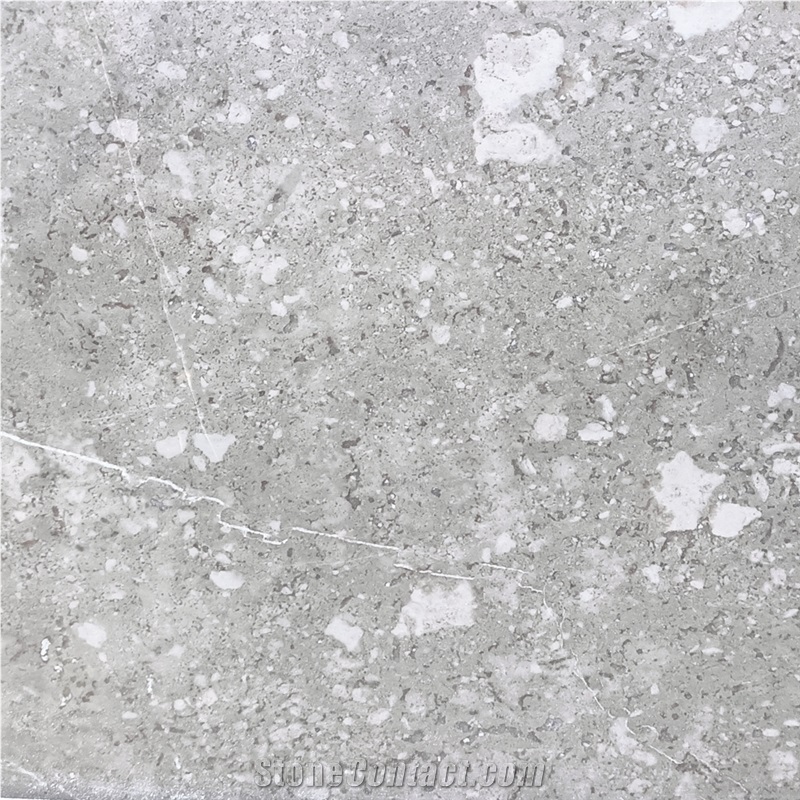
Kuri Blue Marble

Marble

Turkey

About

Item Details

Material Type:
Marble
Origin:
Turkey
Recommended Usage:
Kitchen and bathroom countertops, monuments, building stone, ornamental stone, building stone, stairs, interior wall and floor applications, mosaic, waterjet pattern, wall panels, table tops, columns, fireplace surround
Additional Names:
Kuri Blue Grey Marble, Kuri Grey Marble, Kuri Blue Gray Marble, Kuri Gray Marble, in China stone market:库里蓝(Kùlǐ lán)
Finished Surface:
Polished,Bush Hammered,Tumbled,Brushed,Honed,Split,Machine Cut,Natural Surface,Sandblasted,Combed,Leathered,Water Jet,Filled,Chiseled,Pickling

Testing

Water Absorption:
0.20 – 0.30 % By weight
Density:
2680 – 2710 Kg/m³
Flexural Strength:
12 – 16 MPa
Compressive Strength:
125 – 145 MPa

Description

Kuri Blue Marble – Product Overview

  • Origin: Turkey
  • Type: Marble
  • Color Palette: Light silver-grey with subtle blue undertones, interspersed with ivory-white speckles and fine white streaks

Color, Texture & Pattern

Base Color: Light silver to cool grey

Undertones: Subtle bluish hue that enhances depth and uniqueness

Veining Pattern:

  • Very fine white streaks running irregularly
  • Small ivory-white speckles scattered throughout, adding sparkle and elegance

Texture: Smooth, crystalline, medium-fine grain

Visual Appeal: Soft, clean, and elegant—suited for high-end residential and commercial interiors

Physical & Mechanical Properties

  • Density : 2.680 – 2.710 g/cm³
  • Water Absorption : 0.20 – 0.30%
  • Porosity : Low (< 0.5%)
  • Compressive Strength : 125 – 145 MPa
  • Flexural Strength : 12 – 16 MPa
  • Abrasion Resistance : 14 – 16 mm (ASTM C241)
  • Slip Resistance (R-Rating) : R9–R11 depending on surface finish
  • Mohs Hardness : 3 – 4 (typical for marble)
  • Frost Resistance : Moderate (avoid use in freeze–thaw zones without sealing)

Chemical & Mineral Composition (% by weight)

  • Calcium Carbonate (CaCO₃) : 92–95%
  • Magnesium Carbonate (MgCO₃) : 1–2%
  • Silica (SiO₂) : 1.5 – 2.5%
  • Iron Oxides (Fe₂O₃) : <1%
  • Alumina (Al₂O₃) : <1%
  • Other minerals : Mica, dolomite, traces of quartz

Usage Applications

Interior Use (Highly Recommended):

  • Flooring (tiles, large-format)
  • Wall cladding
  • Bathroom vanities
  • Countertops and tabletops
  • Fireplace surrounds
  • Staircases, columns, and interior architectural elements

Exterior Use:

  • Cladding in dry and mild climates (with proper sealing)

Maintenance Guidelines

  • Use pH-neutral stone cleaners
  • Avoid acidic or abrasive products
  • Seal periodically (especially in wet or high-use zones)
  • Honed or brushed finishes require more frequent cleaning to preserve appearance
  • Polished surfaces resist dirt but can scratch more easily

Cutting Sizes (cm)

Tiles: 30×30, 60×30, 60×60, 80×40, 100×100

Custom sizes available

Slabs: 240–300 cm × 120–180 cm

Thickness: 2 cm (standard), 3 cm available

Surface Finish Options

  • Polished : High gloss, enhances the soft grey-blue tone and white veining
  • Honed : Matte finish, velvety texture, subtle visual tone
  • Brushed : Light texture, antique appearance
  • Sandblasted : Rough texture, lightens the color, excellent for wall or anti-slip use
  • Leathered : Textured, soft matte with natural feel
  • Tumbled : Weathered edges and worn texture, ideal for rustic or vintage themes

FAQ

Can I put a hot pan on Kuri Blue Marble kitchen countertop?

It is not recommended to put a hot pan directly on a Kuri Blue Marble kitchen countertop as it can potentially cause damage to the surface. Marble is a natural stone that is sensitive to heat and can be easily scratched or discolored if a hot pan is placed directly on it. It is best to use a trivet or heat-resistant pad to protect the marble surface from heat damage.

Is Kuri Blue Marble countertop heat resistant?

Kuri Blue Marble countertop is not inherently heat resistant and can be damaged by high heat. It is recommended to use heat pads or trivets to protect the surface from hot pots and pans.

Is Kuri Blue Marble better than wood for interior stair?

It ultimately depends on personal preference and the overall aesthetic of the space. Kuri Blue Marble may offer a more modern and sleek look, while wood may provide a warmer and more traditional feel. Additionally, Kuri Blue Marble may be more durable and easier to clean than wood. Ultimately, the decision should be based on the desired look and functionality of the space.

How to make Kuri Blue Marble stairs not slippery?

To make Kuri Blue Marble stairs not slippery, you can try the following methods: 1. Clean the stairs regularly to remove any dirt, grime, or oils that may make them slippery. Use a gentle cleaner and a soft brush or sponge to scrub the surface thoroughly. 2. Apply a non-slip coating or sealant specifically designed for natural stone surfaces. This will create a textured surface that provides better traction and reduces the risk of slipping. 3. Install anti-slip stair treads or adhesive strips on the stairs. These products are easy to install and provide an additional layer of traction to prevent slips and falls. 4. Use rugs or mats on the stairs to provide extra grip and cushioning. Make sure to secure them in place with non-slip rug pads or adhesive tape to prevent them from shifting or causing tripping hazards. 5. Encourage proper footwear usage on the stairs, such as shoes with rubber soles that provide better traction on slippery surfaces. By implementing these measures, you can help make your Kuri Blue Marble stairs safer and reduce the risk of accidents caused by slipping.

Is 2cm Kuri Blue Marble good for residential interior stair steps?

It is difficult to say definitively whether the 2cm Kuri Blue Marble would be suitable for residential interior stair steps without knowing more specific details about the stairs themselves and the overall aesthetic of the home. However, in general, marble is a durable and visually appealing material that can work well for stair steps. Some potential considerations for using marble on stair steps include ensuring that the marble is properly sealed to protect against stains and wear, as well as considering the level of foot traffic on the stairs and whether marble is the most practical choice for this purpose. Additionally, the thickness of the marble (2cm in this case) may also impact its suitability for use on stair steps. It would be advisable to consult with a professional contractor or designer who can assess the specific requirements of your staircase and provide guidance on whether 2cm Kuri Blue Marble would be a good choice for your residential interior stair steps.

Is vinegar ok to use on Kuri Blue Marble countertop?

It is not recommended to use vinegar on Kuri Blue Marble countertops as it can be too acidic and potentially damage the surface over time. It is better to use a mild soap and water solution or a specialized marble cleaner for cleaning and maintaining the beauty of the countertop.

Can Kuri Blue Marble kitchen countertop be scratched with a knife?

Kuri Blue Marble countertops are generally quite durable and resistant to scratching. However, like most natural stone surfaces, they can still be scratched by a knife if enough pressure is applied. It is always best to use a cutting board when preparing food on any type of countertop to prevent scratches and damage.

Can Kuri Blue Marble tiles be used for high - traffic internal commercial flooring?

Yes, Kuri Blue Marble tiles can be used for high-traffic internal commercial flooring. However, it is important to ensure that the tiles have the appropriate finish (such as honed or polished) to provide durability and resistance to wear and tear. Regular maintenance and proper sealing may also be necessary to ensure the longevity of the tiles in a high-traffic commercial space. Additionally, it is recommended to consult with a professional installer to ensure proper installation techniques are followed to maximize the durability and longevity of the tiles in a commercial setting.

How to remove scratches from Kuri Blue Marble floor tiles?

To remove scratches from Kuri Blue Marble floor tiles, you can follow these steps: 1. Start by cleaning the scratched area with a mild detergent and warm water to remove any dirt or debris. 2. Once the area is clean and dry, assess the depth of the scratches. For shallow scratches, you can try using a marble polishing powder or cream specifically designed for marble surfaces. Follow the manufacturer’s instructions on how to apply the product and buff the scratches out using a soft cloth or a polishing pad. 3. For deeper scratches, you may need to use a diamond grit polishing pad or sandpaper to gently sand down the scratches. Start with a low grit and gradually work your way up to a finer grit until the scratches are leveled with the surface of the tile. 4. After sanding, clean the area again to remove any dust or residue from the polishing process. 5. Finally, apply a marble sealer to protect the surface and restore the shine of the tile. Follow the manufacturer’s instructions on how to apply the sealer properly. Remember to always test any cleaning or polishing products on a small, inconspicuous area of the tile before applying them to the scratched area to ensure compatibility and prevent any damage to the marble surface.

Products & Prices

Hot Marble

New Marble

Post Your Request

The request includes:
  1. surface finished, size
  2. quantity required