Post Your Needs

Lafite Marble

Marble

China

About

Item Details

Material Type:
Marble
Origin:
China
Recommended Usage:
Kitchen and bathroom countertops, wash basins, building stone, ornamental stone, stairs, interior, exterior wall and floor applications, mosaic, waterjet pattern, wall panels, table tops, balustrades, columns, wall and pool copings, pool pavers, sculptures, fireplaces
Additional Names:
Lafite Impression Marble, China Palissandro Marble, Lafite White Jade Marble, Lafite Baiyu, in China stone market:印象拉菲(Yìnxiàng Lāfēi)
Finished Surface:
Polished,Bush Hammered,Tumbled,Brushed,Honed,Split,Machine Cut,Natural Surface,Sandblasted,Combed,Leathered,Water Jet,Filled,Chiseled,Pickling

Testing

Water Absorption:
0.1 – 0.3%
Density:
2680 – 2730 Kg/m³
Flexural Strength:
10 – 15 MPa (approx.)
Compressive Strength:
100 – 180 MPa (approx.)

Description

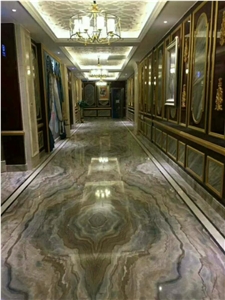
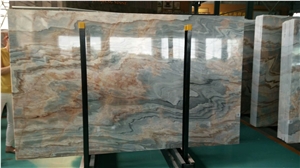
Appearance: Light background with various shades of white, cream, and gray, crisscrossed by prominent brownish-red and dark gray veins. The veining patterns can be described as dynamic waves or undulating lines, creating a visually striking, elegant surface.

  • Texture: Compact, crystalline, and fine-grained
  • Pattern: Dynamic, flowing, and wavy veins across the slab; irregular but harmonious natural formations

Physical & Mechanical Properties

  • Mohs Hardness : 3 – 4
  • Density : 2.6 – 2.73 g/cm³
  • Water Absorption : 0.1 – 0.3%
  • Porosity : Low
  • Compressive Strength : 100 – 180 MPa (approx.)
  • Flexural Strength : 10 – 15 MPa (approx.)

Chemical & Mineral Composition

  • Calcite (CaCO₃) : 90 – 95%
  • Dolomite (CaMg(CO₃)₂) : 3 – 5%
  • Minor Minerals (Quartz, Feldspar, Iron Oxides, Others) : 1 – 3%

The brownish-red veins are often due to iron oxide mineral inclusions, while the gray and cream tones come from natural calcite and dolomite variations.

Usage & Applications

Lafite Marble is suitable for a variety of design and architectural projects:

  • Flooring: Luxurious interiors, living rooms, and hotel lobbies
  • Wall Cladding: Statement walls and feature walls
  • Countertops & Vanities: Kitchens and bathrooms
  • Staircases & Risers: Indoor staircases, elegant designs
  • Architectural Elements: Columns, fireplace surrounds, decorative panels

Maintenance & Care

  • Cleaning: Soft cloth with mild, pH-neutral soap and warm water; avoid acidic or abrasive cleaners
  • Sealing: Recommended for countertops and high-traffic areas to reduce staining
  • Polishing: Maintains the marble’s natural shine; avoid over-polishing to prevent slipperiness
  • Protection: Use mats or area rugs in high-traffic zones

FAQ

Can I use Lafite Marble as a fireplace hearth? Is it durable enough to withstand heat?

Lafite Marble can be used as a fireplace hearth, and many people choose marble for this purpose due to its aesthetic appeal. However, there are several factors to consider regarding its durability and suitability for withstanding heat: 1. **Heat Resistance**: Marble is a natural stone, so it can handle a considerable amount of heat. However, prolonged exposure to high temperatures can cause discoloration or cracks over time. Its crucial to ensure that the marble does not come into direct contact with open flames or extreme heat sources. 2. **Durability**: Marble is relatively durable and can withstand regular use. However, compared to other stones like granite, it is more susceptible to scratching, chipping, and staining. Care should be taken to protect it from heavy objects or rough treatments. 3. **Sealing**: Sealing the marble can help protect it from stains and spills, which is particularly important in a hearth setting where soot and ash might accumulate. 4. **Maintenance**: Regular cleaning with appropriate marble-safe products is essential to maintain its appearance. Avoid acidic cleaners that can erode the marble surface. 5. **Installation**: Proper installation is key to ensuring that the marble is securely placed and can handle the structural stress typical of a hearth. In summary, while Lafite Marble can be used for a fireplace hearth, its important to manage expectations regarding its long-term appearance and ensure careful maintenance and proper installation. If you prioritize heat resistance and minimal maintenance, you might also want to consider alternatives like granite or engineered stone.

Does the surface of Lafite Marble scratch easily?

Lafite Marble, like many natural stones, can be susceptible to scratching, especially if it is polished to a high gloss. Marble is generally softer than materials such as granite or quartz, which makes it more prone to scratches and etching from acidic substances like vinegar or lemon juice. To protect the surface, its important to use coasters, trivets, and cutting boards, and to clean up spills immediately. Regular sealing of the marble can also help protect against scratches and stains. If you are choosing a stone surface for an area that experiences a lot of wear and tear, you may want to consider a more durable material or ensure proper protective measures are in place.

Can glossy polished Lafite Marble be used for pool coping?

Using glossy polished Lafite Marble for pool coping is not generally recommended. Here are a few reasons why: 1. **Slip Hazard**: The polished finish can be very slippery when wet, increasing the risk of accidents around the pool area. 2. **Durability**: Natural marble is porous and can be susceptible to staining, etching, and weathering when exposed to pool chemicals, water, and outdoor conditions over time. This can affect the appearance and longevity of the marble. 3. **Maintenance**: Marble requires regular sealing and maintenance to prevent damage from the elements and pool chemicals, which can be labor-intensive and costly in the long run. If you are set on using marble for pool coping, consider a honed or textured finish, as these are less slippery and could offer more traction. Alternatively, you might want to explore materials specifically designed for pool environments, such as granite, travertine, or specific types of treated and textured porcelain tile that are engineered to withstand outdoor conditions and provide a slip-resistant surface. Always consult with a professional who can assess your specific situation and provide guidance on suitable materials.

Can 1.8cm thick Lafite Marble be used as a kitchen countertop?

Using 1.8 cm thick Lafite Marble as a kitchen countertop is generally possible, but there are several factors to consider. Marble, while beautiful, is a porous and relatively soft stone, which makes it more susceptible to staining and scratching than other countertop materials like granite or engineered stones such as quartz. 1. **Durability**: At 1.8 cm thickness, the marble will be more prone to cracking or breaking under heavy weight or impact compared to thicker slabs. Reinforcing the marble with a substrate or support beneath can help mitigate this risk. 2. **Porosity**: Being a porous material, marble can absorb liquids and may stain easily if not sealed properly. Regular sealing is necessary to protect the surface from spills and staining agents such as wine, citrus juices, and oils. 3. **Maintenance**: Marble countertops require more maintenance and care. They need to be cleaned with pH-neutral cleaners to avoid etching and should be resealed regularly according to the manufacturer’s recommendations. 4. **Supervision and Usage**: Consider how the countertop will be used. If it will endure heavy use, you might experience faster wear and tear compared to less frequently used surfaces. 5. **Aesthetic**: Despite its higher maintenance, marble is highly valued for its aesthetic appeal. It offers a timeless and elegant look that can enhance the overall design of a kitchen. If you decide to go with Lafite Marble, consult with a professional installer to ensure proper support is in place, and follow a diligent maintenance routine to preserve its beauty and function over time.

How can I maintain scratched Lafite Marble flooring?

Maintaining scratched Lafite Marble flooring requires careful handling to preserve its appearance and durability. Here’s a step-by-step guide to help you care for your marble flooring: 1. **Assess the Scratches**: Determine the depth and severity of the scratches. Light, superficial scratches may be removed with gentle polishing, while deeper ones might require more advanced techniques or professional help. 2. **Cleaning**: - Begin by cleaning the marble surface with a pH-neutral cleaner to avoid etching or discoloration. - Use a soft mop or cloth to avoid causing additional scratches. - Rinse thoroughly with clean water to remove any residue. 3. **Polishing**: - For light scratches, use a marble polishing powder. Apply it with a damp cloth or a low-speed polisher, following the manufacturer’s instructions. - Rub in a circular motion to avoid creating harsh lines. - Buff the area with a clean, soft cloth to restore the shine. 4. **Sealing**: - Apply a high-quality marble sealer to protect the surface from future damage. - Follow the manufacturer’s guidelines for application and drying times. - Re-seal the marble periodically, depending on the level of traffic and wear. 5. **Professional Refinishing**: - For deeper scratches or extensive damage, consider hiring a professional marble restoration service. They have specialized equipment and expertise to grind, hone, and polish marble floors. 6. **Regular Maintenance**: - Clean up spills immediately to prevent staining or etching. - Use mats or rugs in high-traffic areas to minimize wear. - Avoid using acidic or abrasive cleaners that can damage the marble. 7. **Preventive Measures**: - Place pads under furniture legs to prevent scratches when moving pieces. - Encourage people to remove shoes, especially those with hard soles, to reduce the risk of scratching. By following these steps, you can maintain and enhance the beauty of your Lafite Marble flooring, keeping it looking pristine for years to come.

Is Lafite Marble a suitable choice for facades in cold winter climates?

Lafite Marble, like many other types of marble, is generally not the ideal material for exterior facades in regions with cold winter climates. Marble is a natural stone that can be susceptible to weathering, especially in freezing conditions. Several factors should be considered: 1. **Porosity**: Marble is a porous material, which means it can absorb water. In cold climates, this absorbed water can freeze and expand, potentially leading to cracking or spalling over time. 2. **Thermal Expansion**: Marble can also expand and contract with temperature fluctuations. Repeated freeze-thaw cycles can exacerbate damage to the stone. 3. **Durability**: While marble is durable, it is softer and more susceptible to wear and tear compared to harder stones like granite. This can mean more frequent maintenance and repair costs. 4. **Surface Treatments**: If you are set on using Lafite Marble, consider applying sealants or surface treatments designed to reduce water absorption and improve the stones resistance to harsh weather conditions. 5. **Aesthetic Considerations**: Marble can lose its polish and appearance when exposed to harsh physical and chemical weathering. For cold climates, its often recommended to use materials specifically engineered or naturally better suited to withstand such conditions, like granite or specially treated materials. If you still prefer the appearance of Lafite Marble, it might be better suited for interior applications or locations not directly exposed to the harshest elements. Consulting with a local architect or engineer, especially one who has experience with stone facades in cold climates, is advisable to ensure the best material choice for your specific project.

Products & Prices

View More

Hot Marble

New Marble

Post Your Request

The request includes:
  1. surface finished, size
  2. quantity required