Post Your Needs

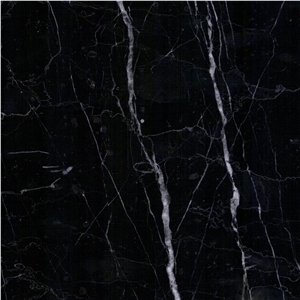
Las Vegas White Marble

Marble

China

About

Item Details

Material Type:
Marble
Origin:
China
Recommended Usage:
Kitchen and bathroom countertops, wash basins, building stone, ornamental stone, stairs, interior, exterior wall and floor applications, mosaic, waterjet pattern, wall panels, table tops, balustrades, columns, wall and pool copings, pool pavers, sculptures, fireplaces
Additional Names:
Lasiweijia Bai Marble, in China stone market:拉斯维加白(Lāsīwéijiā Bái), Las Vegas White Marble
Finished Surface:
Polished,Bush Hammered,Tumbled,Brushed,Honed,Split,Machine Cut,Natural Surface,Sandblasted,Combed,Leathered,Water Jet,Filled,Chiseled,Pickling

Testing

Water Absorption:
0.12 - 0.35 % by weight
Density:
2700 - 2720 kg/m³
Flexural Strength:
8 - 17 MPa
Compressive Strength:
100 - 140 MPa

Description

Appearance & Color

  • Base Color: Predominantly pure white to bright off-white, delivering a fresh, luminous, and spacious visual effect.
  • Veining: Soft, irregular grey with subtle greenish-grey veins flowing horizontally or in gentle waves. The veining is delicate and refined rather than bold, adding elegance without overpowering the design.

Texture & Pattern

  • Grain Structure: Fine to medium crystalline texture with a uniform structure, allowing excellent light reflection.
  • Pattern Style: Fluid, linear to softly wavy veining with natural variation, creating a calm and sophisticated surface movement.

Finish & Surface Texture

  • Polished: High-gloss, reflective finish that enhances brightness and depth.
  • Honed: Smooth matte surface with a soft, contemporary appearance.
  • Leathered / Brushed: Subtle texture that adds tactile warmth while muting reflections.
  • Sandblasted / Bush-Hammered: Textured finishes suitable for decorative or slip-resistant applications.

Physical & Mechanical Properties (Typical Values)

  • Density: 2700–2720 kg/m³
  • Water Absorption: 0.12–0.35 % (by weight)
  • Compressive Strength: 100–140 MPa
  • Flexural Strength: 8–17 MPa
  • Mohs Hardness: 3–4

Chemical & Mineral Composition (Approx. % by Weight)

  • Calcium Carbonate (CaCO₃ – Calcite): 95–98 %
  • Magnesium Carbonate (MgCO₃): 1–2 %
  • Silica (SiO₂): <1 %
  • Trace Minerals: <1 % (iron oxides and accessory minerals influencing veining)

Applications & Usage

  • Luxury interior flooring
  • Wall cladding and feature walls
  • Bathroom vanities, countertops, and backsplashes
  • Fireplace surrounds
  • Stair treads, risers, and thresholds
  • High-end residential and boutique commercial interiors

 * Recommended primarily for interior use where elegance and brightness are key design priorities. 

Maintenance & Care

Periodic sealing is recommended to reduce staining and moisture absorption. Clean using pH-neutral stone cleaners only. Avoid acidic substances which may cause surface etching. Promptly remove spills to maintain polish and clarity. Use protective pads and rugs in high-traffic areas.

FAQ

Is Las Vegas White Marble durable enough for use as walkway pavers?

Las Vegas White Marble is known for its aesthetic appeal and elegance, often used in interior applications such as countertops, flooring, and wall cladding. However, when considering it for use as walkway pavers, there are a few important factors to weigh about its durability: 1. **Marble Characteristics**: Marble is a softer and more porous natural stone compared to materials like granite or certain types of engineered stones. As a result, its more susceptible to scratching, chipping, and staining. 2. **Environmental Factors**: If you are considering using Las Vegas White Marble outdoors, you should consider the climate and weather conditions. Marble can be affected by freeze-thaw cycles, which might lead to cracking over time, especially in places with harsh winters. 3. **Maintenance Needs**: Marble requires regular maintenance, including sealing, to protect it from stains and weathering. This can be more demanding compared to other materials typically used for walkways. 4. **Traffic Considerations**: For walkways with high foot traffic or situations where heavy items may be placed or moved across the surface, marble might not be the best choice due to its vulnerability to wear and damage. 5. **Cost**: Marble can be more expensive than other paving materials, both in terms of initial cost and maintenance over time. Given these considerations, while Las Vegas White Marble can potentially be used for walkway pavers in areas with mild climates and lower traffic, it may not be the most durable or cost-effective choice for more demanding environments. Alternative materials like granite, concrete pavers, or engineered stone might offer better durability and lower maintenance for outdoor walkways.

Does the surface of Las Vegas White Marble scratch easily?

Las Vegas White Marble, like other types of marble, is relatively soft and prone to scratching compared to harder natural stones like granite. Marble has a mineral hardness of about 3 on the Mohs scale, which makes it susceptible to scratches from common household items and other harder substances. To minimize scratching, it is advised to use cutting boards, avoid dragging heavy objects across the surface, and use coasters under glasses and dishes. Additionally, sealing the marble can offer some protection against scratching and staining. Regular maintenance and careful use can help preserve the appearance of Las Vegas White Marble.

Can polished finish Las Vegas White Marble be used for pool coping?

Using polished finish Las Vegas White Marble for pool coping is generally not recommended. Polished marble can be quite slippery when wet, which poses a safety hazard, especially around a pool where water is frequently present. Instead, it might be better to choose a honed or textured finish, which will provide more grip and be more suitable for wet areas. Additionally, marble is a natural stone that can be susceptible to damage and staining from pool chemicals and environmental factors. When considering marble for pool areas, its essential to ensure its adequately sealed and maintained to prolong its appearance and durability. Exploring other materials like travertine, granite, or specialized pool tiles may offer more practical and safer options for pool coping.

Can Las Vegas White Marble be used as a kitchen countertop?

Yes, Las Vegas White Marble can be used as a kitchen countertop. However, there are a few factors to consider when choosing marble for kitchen use: 1. **Porosity**: Marble is a porous stone, which means it can absorb liquids and is susceptible to staining, especially from acidic substances like wine, citrus, and vinegar. Its essential to seal the surface regularly to minimize this risk. 2. **Durability**: While marble is durable, it is softer than granite and can scratch or chip more easily. Using cutting boards and being cautious with heavy or sharp kitchen utensils can help prevent damage. 3. **Maintenance**: Marble requires regular maintenance, including cleaning with appropriate stone cleaners and re-sealing every few months, depending on usage. 4. **Aesthetic Appeal**: Marble offers a classic and elegant look with unique veining patterns, which many homeowners find attractive for kitchen countertops. If you are willing to maintain it properly and are aware of its characteristics, Las Vegas White Marble can make a stunning addition to your kitchen. However, for a lower-maintenance option, you might also consider engineered stones like quartz, which can mimic the look of marble with added durability and stain resistance.

How can I maintain Las Vegas White Marble flooring?

Maintaining Las Vegas White Marble flooring involves a combination of regular cleaning, periodic sealing, and proper care to preserve its beauty and longevity. Here are some steps to help you maintain your marble flooring effectively: 1. **Regular Cleaning:** - **Dust and Sweep:** Use a soft, dry microfiber mop or a vacuum with a soft brush attachment to remove dust and loose dirt regularly. - **Damp Mop:** Clean the floor with a damp mop using warm water and a pH-neutral, non-abrasive cleaner designed specifically for marble. Avoid using acidic or alkaline cleaners, as these can damage the marble. - **Spot Cleaning:** Wipe up spills immediately to prevent staining. Use a soft cloth or sponge and plain water for most spills, but for stubborn spots, use the pH-neutral cleaner. 2. **Avoid Abrasive Materials:** - Avoid using rough sponges, steel wool, or scouring pads that can scratch or dull the surface. 3. **Sealing:** - **Frequency:** Marble is porous and should be sealed periodically, usually once a year or as recommended by your installer or the manufacturer. - **Application:** Use a high-quality marble sealer to protect the stone from stains and increase its longevity. Follow the instructions on the sealant product carefully. 4. **Protecting the Surface:** - **Entry Mats/Rugs:** Place mats or rugs at entrances to catch dirt and grit before they are tracked onto the floor. - **Furniture Pads:** Use felt pads under the legs of furniture to prevent scratches. 5. **Avoid Heat and Impact:** - Do not place hot items directly on the floor; use trivets or coasters. - Avoid dropping heavy or sharp objects that might chip or crack the marble. 6. **Keep away from Acidic Substances:** - Avoid contact with acidic substances like vinegar, lemon juice, wine, or tomato sauce, as they can etch and dull the surface. 7. **Polishing:** - Periodic professional polishing can help restore the shine and remove surface scratches or etching. 8. **Address Stains Promptly:** - For oil-based stains, use a soft, damp cloth with a gentle pH-neutral cleaner. - For organic stains, such as coffee or juice, create a paste using baking soda and water, apply it to the stain, and let it sit for 24-48 hours before wiping it clean. Following these maintenance steps will help you keep your Las Vegas White Marble flooring looking its best for years to come.

Is Las Vegas White Marble a suitable choice for facades in cold winter climates?

Las Vegas White Marble can be used for facades in cold winter climates, but there are several factors to consider to ensure its suitability and longevity. Marble is a natural stone that is generally durable, but it can be susceptible to certain weather-related issues, especially in harsh climates: 1. **Freeze-Thaw Cycles:** In cold climates, the freeze-thaw cycle can pose a risk to marble. Water can seep into the stones pores, freeze, expand, and cause the stone to crack or spall over time. Proper sealing and regular maintenance can help mitigate these risks. 2. **Porosity and Absorption:** Marble is a porous material, which makes it prone to absorbing moisture. Selecting a marble with lower porosity or implementing a protective sealant can help reduce moisture absorption. 3. **Thermal Expansion:** Marble can expand and contract with temperature changes. Proper installation techniques and consideration of expansion joints are necessary to accommodate these movements and prevent structural damage. 4. **Surface Finish:** The type of finish applied to the marble can affect its performance. A honed finish might be more suitable than a polished finish, as it offers better slip resistance and can be less prone to showing the effects of weathering over time. 5. **Maintenance:** Regular maintenance, including cleaning and resealing as needed, is crucial for preserving the appearance and structural integrity of marble facades in harsher climates. 6. **Overall Design Considerations:** The design should account for water runoff and drainage to prevent water from pooling on or near the stone, further reducing the risk of damage. Ultimately, consulting with a professional architect or engineer experienced in using marble in cold climates is crucial. They can assess the specific conditions of your location and determine the best practices for using Las Vegas White Marble or suggest alternative materials that might better withstand the climate.

Products & Prices

Hot Marble

New Marble

Post Your Request

The request includes:
  1. surface finished, size
  2. quantity required