Post Your Needs

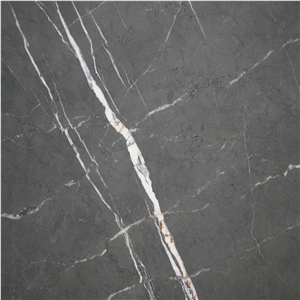
Lily Gray Marble

Grey - Marble

China

About

Item Details

Material Type:
Marble
Origin:
China
Primary Color(s):
Grey
Recommended Usage:
Kitchen and bathroom countertops, monuments, building stone, ornamental stone, building stone, stairs, interior wall and floor applications, mosaic, waterjet pattern, wall panels, table tops, columns, fireplace surround
Additional Names:
Lily Grey Marble, Conch Grey Marble, in China stone market: 百合灰(bǎi hé huī), Lily Gray Marble
Finished Surface:
Polished,Bush Hammered,Tumbled,Brushed,Honed,Split,Machine Cut,Natural Surface,Sandblasted,Acid Washing,Combed,Leathered,Water Jet,Filled,Chiseled,Pickling

Testing

Water Absorption:
0.1% – 0.3%
Density:
2.68 – 2.74 g/cm³
Flexural Strength:
8 – 12 MPa
Compressive Strength:
110 – 130 MPa

Description

Lily Gray Marble is an exquisite natural stone with:

  • Background: Deep, dark gray to charcoal gray background, creating a dramatic and sophisticated appearance.
  • Veining: Delicate ivory white veins that contrast beautifully with the dark base.
  • Pattern: Distinctive round pebble-like calcite formations scattered throughout the surface. These formations resemble tiny pebbles embedded in the marble.
  • Fossil Segments: Tiny fossil fragments and microfossils give it a unique and natural character, adding subtle organic textures.
  • Texture: Smooth to slightly textured, depending on the chosen surface finish.

Technical Properties and Test Results 

Physical Properties:

  • Density: 2.68 – 2.74 g/cm³
  • Water Absorption: 0.1% – 0.3%
  • Porosity: 0.3% – 0.5%
  • Compressive Strength: 110 – 130 MPa
  • Flexural Strength: 8 – 12 MPa
  • Abrasion Resistance: 20 – 22 cm³/50 cm²
  • Hardness (Mohs Scale): 3.0 – 4.0

Slip Resistance:

  • Polished Finish: 0.4 – 0.5 (Dry), 0.25 – 0.35 (Wet)
  • Honed Finish: 0.55 – 0.65 (Dry), 0.40 – 0.50 (Wet)
  • Brushed/Leathered Finish: 0.60 – 0.70 (Dry), 0.50 – 0.60 (Wet)
  • Sandblasted Finish: 0.70 – 0.75 (Dry), 0.55 – 0.65 (Wet)

Chemical Composition (% by Weight):

  • Calcium Carbonate (CaCO3): 90% – 94%
  • Silica (SiO2): 3% – 5%
  • Magnesium Oxide (MgO): 0.8% – 1.5%
  • Iron Oxide (Fe2O3): 0.1% – 0.3%
  • Aluminum Oxide (Al2O3): 0.1% – 0.3%

Mineral Composition (% by Weight):

Calcite: 90% – 95%

Quartz: 3% – 5%

Dolomite: 1% – 2%

Fossil Fragments and Accessory Minerals: Trace amounts

Texture, Pattern, and Surface Details

Texture: Smooth and polished for a sleek and luxurious look. Matte and slightly rough for honed, brushed, and sandblasted finishes.

Pattern: Prominent ivory white veins weave through the dark gray background. Tiny fossil fragments create unique speckles and organic patterns. Round pebble patterns add to the visual complexity and uniqueness of the stone.

Available Cutting Sizes (cm) 

Slabs:

  • Standard Sizes: 240 x 120 cm 280 x 160 cm
  • Thickness: 2 cm and 3 cm
  • Custom Slab Sizes: Available upon request for large projects.

Tiles:

  • Standard Sizes: 30 x 30 cm, 30 x 60 cm, 60 x 60 cm, 60 x 120 cm
  • Thickness: 1.5 cm – 2 cm
  • Cut-to-Size Options: Available for custom dimensions.

Surface Finish Options

  • Polished Finish Texture: High-gloss, reflective surface that highlights the veins and pebble patterns. Applications: Ideal for countertops, wall cladding, and decorative elements.
  • Honed Finish Texture: Matte and smooth with a soft sheen, creating a subtle and sophisticated appearance. Applications: Suitable for indoor flooring, wall applications, and bathrooms. 
  • Sandblasted Finish Texture: Rough and grainy surface achieved by high-pressure sand treatment. Applications: Perfect for outdoor use, including patios, pool areas, and exterior cladding. 
  • Brushed Finish Texture: Lightly textured surface with a soft, weathered look. Applications: Suitable for rustic indoor and outdoor applications. 
  • Tumbled Finish Texture: Aged and slightly distressed with softened edges. Applications: Ideal for pathways, garden walkways, and exterior landscapes. 
  • Leathered Finish Texture: Soft, textured surface with a low-gloss sheen, enhancing the natural patterns. Applications: Perfect for countertops, bar tops, and feature walls.

Usage and Applications 

  • Interior Applications: Flooring, wall cladding, countertops, vanity tops, and fireplace surrounds. 
  • Exterior Applications: Sandblasted, brushed, and tumbled finishes are ideal for outdoor paving, pool areas, and exterior cladding. 
  • Commercial and Residential: Suitable for high-end residential, hospitality, and commercial environments.

Maintenance and Care

  • Sealing: Periodic sealing recommended to protect against stains and prolong durability.
  • Cleaning: Use a pH-neutral stone cleaner to prevent etching and damage.
  • Avoid: Acidic substances (vinegar, lemon, wine) and harsh chemicals that may cause etching.
  • Polishing: For polished surfaces, occasional re-polishing may be required to restore gloss.

Packaging and Shipping

  • Slabs: Packed in wooden bundles with foam and plastic wrapping. Slabs loaded vertically to prevent breakage during transit.
  • Tiles: Packed in strong wooden crates with foam protection. Customized crating available for large or high-volume orders. 

Container Loading Capacity:

  • 2 cm Slabs: Approx. 400 – 450 m² per 20 ft container.
  • 3 cm Slabs: Approx. 280 – 320 m² per 20 ft container.
  • Tiles: Approx. 800 – 900 m² per 20 ft container, depending on the tile sizes. 

Summary of Key Features

  • Appearance: Dark gray background with ivory white veins, pebble-like calcite patterns, and fossil segments.
  • Versatility: Wide range of surface finishes, making it suitable for both indoor and outdoor applications.
  • Durability: Strong compressive strength and low porosity ensure longevity.
  • Applications: Perfect for flooring, wall cladding, countertops, vanity tops, and decorative applications.

FAQ

Is 2cm thick Lily Gray Marble stair steps durable?

Lily Gray Marble is a durable material, but the durability of a 2cm thick stair step will depend on the specific circumstances of its use. Generally, thicker stair steps are considered more durable and less prone to cracking or breaking under heavy use. Therefore, while a 2cm thick Lily Gray Marble stair step may be able to withstand normal wear and tear in a residential setting, it may not be as suitable for heavy traffic areas or commercial settings. It is always recommended to consult with a professional for specific advice on the durability of a particular stair step.

How to make Lily Gray Marble stairs not slippery?

There are several ways you can make Lily Gray Marble stairs less slippery: 1. Apply an anti-slip coating: There are products available that can be applied to marble surfaces to create a rougher texture that improves traction. These coatings are transparent and will not affect the appearance of the marble. 2. Use non-slip stair treads: You can purchase non-slip stair treads that adhere to the surface of the stairs to provide additional traction. These treads are available in a variety of materials and colors to complement your marble stairs. 3. Clean them regularly: Make sure to clean your marble stairs regularly to remove any dirt, dust, or debris that could make them slippery. Use a mild detergent and water to clean the surface, and avoid using harsh chemicals that could damage the marble. 4. Add a rug or carpet runner: Placing a rug or carpet runner on your marble stairs can provide added traction and reduce the risk of slipping. Make sure to use a non-slip rug pad underneath to keep it in place. 5. Install handrails: Installing handrails on either side of your marble stairs can provide additional support and stability, making them safer to navigate. Make sure the handrails are securely anchored to the wall for maximum effectiveness. By following these tips, you can make your Lily Gray Marble stairs safer and reduce the risk of slipping.

Is 2cm Lily Gray Marble good for stairs?

Lily Gray Marble is a beautiful and elegant natural stone that can be a good choice for stairs. The 2cm thickness is suitable for stairs and will provide strength and durability. However, it is important to consider the specific use and traffic patterns of the stairs before choosing this material. It is always recommended to consult with a professional designer or contractor to ensure that Lily Gray Marble is the right choice for your stairs.

Is Lily Gray Marble backsplash the same thickness as countertop?

It is typically recommended to match the thickness of the backsplash with the thickness of the countertop for a cohesive look. However, this can vary depending on personal preference and the overall design of the space. It is suggested to consult with a professional designer or contractor to determine the best thickness for your specific project.

Can Lily Gray Marble countertop be scratched with a knife?

Lily Gray Marble is a natural stone known for its durability and scratch resistance. While it is possible for a sharp knife to scratch the surface of the marble, it would likely be difficult to do so. However, it is always recommended to use a cutting board or other protective surface when cutting with knives on any type of countertop to prevent damage.

Do I need a special blade to cut 3cm thick Lily Gray Marble tile?

It is recommended to use a diamond blade specifically designed for cutting marble tiles in order to achieve the best results when cutting Lily Gray Marble tiles that are 3cm thick. Diamond blades are known for their precision and ability to cut through hard materials like marble without chipping or cracking. Using a regular blade may cause damage to the tile and result in an uneven or jagged cut.

Is polished Lily Gray Marble good for kitchen floors?

Polished Lily Gray Marble can be a beautiful and elegant choice for kitchen floors. It is a durable and long-lasting material that can withstand heavy foot traffic and is easy to clean and maintain. However, marble is a naturally porous stone and may be susceptible to staining and scratching, so it is important to properly seal and care for the marble to protect it from damage. Overall, if properly maintained, polished Lily Gray Marble can be a stunning and functional choice for kitchen floors.

What is the best way to clean Lily Gray Marble floor tiles?

The best way to clean Lily Gray Marble floor tiles is to follow these steps: 1. Start by sweeping or vacuuming the floor to remove any loose dirt and debris. 2. Mix a gentle pH-neutral cleaner with warm water in a bucket. Avoid using harsh chemicals or strong acidic cleaners, as they can damage the marbles surface. 3. Use a soft microfiber mop or cloth to clean the floor with the cleaning solution. Do not use a stiff-bristled brush or abrasive scrubbing pads, as they can scratch the marble. 4. Dry the floor with a clean, soft cloth or towel to prevent water spots and streaks from forming. 5. For tougher stains, you can create a paste using baking soda and water. Apply the paste to the stained area, let it sit for a few minutes, then gently scrub with a soft brush. Rinse with water and dry the area thoroughly. 6. To maintain the marbles natural shine, you can polish the tiles with a stone-friendly polish or sealer. Follow the manufacturers instructions for best results. Overall, regular and gentle cleaning is key to keeping Lily Gray Marble floor tiles looking their best and preserving their natural beauty.

Which surface treatment is better for Lily Gray Marble garden walkway paving tiles?

There are several options for surface treatments for Lily Gray Marble garden walkway paving tiles, each with its own advantages and disadvantages. Ultimately, the best surface treatment will depend on personal preference, budget, and maintenance requirements. Some popular surface treatments for Lily Gray Marble garden walkway paving tiles include: 1. Polished: A polished surface treatment gives the marble a shiny, reflective finish that can enhance the natural beauty of the stone. This treatment is more prone to scratches and can be slippery when wet. 2. Honed: A honed surface treatment gives the marble a matte, smooth finish that is more resistant to scratches and less slippery than polished marble. It still maintains the natural beauty of the stone but with a softer appearance. 3. Tumbled: A tumbled surface treatment gives the marble a weathered, antique look with rounded edges and a slightly rough texture. This treatment is more slip-resistant but can be more prone to stains and requires regular maintenance. 4. Sandblasted: A sandblasted surface treatment gives the marble a textured, non-slip finish by blasting it with sand or other abrasive materials. This treatment is very slip-resistant but can be more prone to staining and may require more frequent cleaning. Ultimately, the best surface treatment for Lily Gray Marble garden walkway paving tiles will depend on personal preference and the specific requirements of the project. It is recommended to consult with a professional stone supplier or contractor to determine the best surface treatment for your needs.

Is Lily Gray Marble patio paving slippery when wet?

Lily Gray Marble patio paving can become slippery when wet, as it may not provide adequate grip for walking or standing. To reduce the risk of slipping, consider using non-slip coatings or mats on the surface or ensuring that the paving is properly sealed and maintained to prevent water buildup. Its also important to regularly clean the area to remove any debris or substances that could make the surface slick.

Products & Prices

Hot Grey Marble

New Marble

Post Your Request

The request includes:
  1. surface finished, size
  2. quantity required