Post Your Needs

Magic Blue Marble

Marble

Brazil

About

Item Details

Material Type:
Marble
Origin:
Brazil
Recommended Usage:
kitchen and bathroom countertop, wash basins, building stone, ornamental stone, stairs, interior, exterior wall and floor applications, mosaic, water-jet pattern, wall panels, table tops, balustrades, columns, wall and pool copings, pool pavers, sculptures, fireplaces, window sills
Additional Names:
Dream Blue Marble, Crystal Blue Marble, Blue Sky Marble, Calcite Azulata Marble, Diamond Blue Marble, Sparkling Blue Marble, in China stone market:梦幻蓝(Mènghuàn Lán)
Finished Surface:
Polished,Bush Hammered,Tumbled,Brushed,Honed,Split,Machine Cut,Natural Surface,Sandblasted,Combed,Leathered,Water Jet,Chiseled,Pickling

Testing

Water Absorption:
0.20 - 0.40%
Density:
2680 - 2720 kg/m³
Flexural Strength:
9 - 13 MPa
Compressive Strength:
90 - 100 MPa

Description

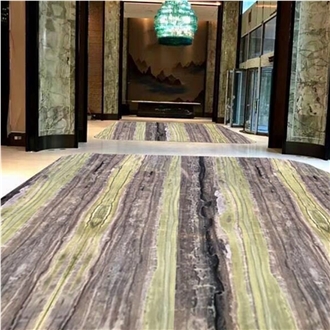
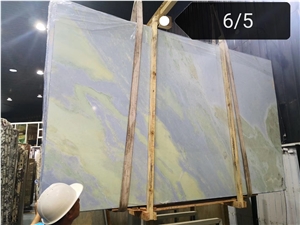
Magic Blue Marble is a calcitic marble quarried in Brazil, featuring a pale icy blue-grey to silvery-grey background with subtle cool, translucent undertones. Its dense crystalline texture resembles crushed ice, with fine white and grey crystals throughout the stone. Scattered golden-yellow and amber flecks provide warm contrast and a distinctive sparkling appearance.

Texture & Pattern

Fine- to medium-grained crystalline texture with a dense, granular pattern. White and grey crystals are distributed across the surface, accompanied by occasional elongated golden and amber mineral flecks. The pattern is generally uniform and crystalline rather than strongly veined.

Physical & Mechanical Properties

  • Density: 2,680–2,720 kg/m³
  • Water Absorption: 0.20–0.40%
  • Compressive Strength: 90–100 MPa
  • Flexural Strength: 9–13 MPa
  • Mohs Hardness: 3–4

Values are indicative for calcitic marble; quarry-specific laboratory results should be confirmed.

Mineral Composition Mineral, Approx. %

  • Calcite: 85–97%
  • Dolomite: 0–5%
  • Quartz: 0–4%
  • Feldspar: 0–2%
  • Mica / Other Silicates: 0–3%

Chemical Composition

Primarily CaCO₃ (85–97%), with minor MgCO₃, SiO₂, Al₂O₃ and iron oxides. Exact composition varies by quarry block.

Uses

Suitable for kitchen countertops, bathroom vanities, feature walls, fireplace surrounds, reception desks, bar counters, furniture, tabletops, flooring, decorative panels, mosaics and luxury hospitality interiors. Selected slabs may offer some translucency and can be considered for backlighting after testing.

Finishes

Polished, honed, leathered, brushed, sandblasted, waterjet and machine-cut. The mirror-polished finish particularly enhances the stone's crystalline sparkle and golden accents.

Maintenance

Use a pH-neutral stone cleaner and avoid acids such as lemon juice, vinegar and acidic descalers. Wipe spills promptly and use a suitable penetrating sealer where recommended. Caltitic marble can etch when exposed to acids, even when sealed.

FAQ

Is Magic Blue Marble marble translucent or suitable for backlighting?

Magic Blue Marble is typically considered suitable for backlighting applications. This type of marble often has a level of translucency that can create a stunning visual effect when illuminated from behind. However, the degree of translucency can vary depending on the specific slab and its thickness. If you are considering using Magic Blue Marble for backlighting, it’s a good idea to consult with your supplier or fabricator. They can provide samples and help determine the best thickness and lighting setup to achieve the desired effect.

Which common finishes are available for Magic Blue Marble marble?

Magic Blue Marble is a popular choice for many design projects due to its stunning appearance and unique veining patterns. Common finishes available for Magic Blue Marble include: 1. **Polished**: This is a glossy finish that highlights the color and veining of the marble, giving it a mirror-like appearance. It is often used in areas where a luxurious feel is desired, such as countertops and flooring. 2. **Honed**: This finish is smooth but not reflective like polished marble. It provides a more understated look and is often chosen for flooring, as it is less slippery than polished marble. 3. **Leathered**: A leathered finish is slightly textured, providing a soft sheen and a more natural, matte appearance. It is popular for countertops as it offers a good balance between the shine of polished and the subtlety of honed finishes. 4. **Brushed**: This finish creates a lightly textured surface that adds a rustic or aged appearance to the marble. It is achieved by brushing the surface with mechanical brushes and is often used in outdoor settings or areas needing a bit more texture for slip resistance. 5. **Sandblasted**: This finish results in a rough, textured surface created by blasting the marble with sand or other abrasive materials. Its often used for exterior applications or anywhere a non-slip surface is required. 6. **Tumbled**: Tumbled stones have a slightly worn and antiqued appearance. This finish involves tumbling the marble with sand, pebbles, or other aggregates to gently wear down its surface. These finishes can significantly alter the appearance and functionality of Magic Blue Marble, so the choice of finish will depend on both aesthetic preferences and practical considerations for the intended use of the marble.

How should calcitic Magic Blue Marble be cleaned and maintained?

Calcitic Magic Blue Marble, like other natural stones, requires proper care and maintenance to retain its appearance and durability. Here are some guidelines for cleaning and maintaining this type of marble: 1. **Regular Cleaning**: - **Dusting**: Use a soft, dry cloth or a microfiber duster to remove dust and loose debris regularly. - **Damp Wiping**: Clean the surface with a damp, soft cloth or sponge using warm water. - **Mild Soap Solution**: For more thorough cleaning, use a mild dish soap mixed with water. Ensure the soap is pH-neutral to prevent damage to the marble. 2. **Avoid Harsh Cleaners**: - Do not use acidic or alkaline cleaners, vinegar, bleach, or ammonia as they can etch and dull the marble surface. - Avoid abrasive scrubbing pads and powders. 3. **Stain Prevention and Removal**: - **Sealing**: Periodically seal the marble to prevent staining. The frequency depends on the usage and type of sealer used, typically every 6-12 months. - **Blotting Stains**: If a spill occurs, blot it immediately with a clean cloth to prevent absorption and staining. Avoid wiping, as it can spread the spill. - **Specialized Stain Removers**: Use a poultice or specialized marble stain remover for tough stains. Follow the manufacturers instructions for best results. 4. **Protective Measures**: - Use coasters, trivets, and placemats to protect the surface from scratches and heat. - Use non-slip mats or rugs in areas with heavy traffic to minimize wear. 5. **Polishing and Resurfacing**: - Over time, marble may lose its shine. Professional polishing can renew the surface. - If the marble becomes etched or significantly worn, consider having it honed and polished by a professional. 6. **Avoiding Physical Damage**: - Prevent dropping heavy or sharp objects on the surface to avoid chipping or cracking. - Use furniture pads under heavy furniture to prevent marks and scratches. By following these maintenance tips, you can keep your Calcitic Magic Blue Marble looking beautiful and lasting for many years. If youre ever in doubt about a specific cleaning product or method, consult with a stone care professional or the manufacturer for guidance.

Can Magic Blue Marble marble be used outdoors?

Magic Blue Marble, a type of engineered or natural marble, can generally be used outdoors, but there are several factors to consider. Natural marble is more susceptible to weathering and can be affected by outdoor conditions such as moisture, freezing temperatures, and UV exposure, which can lead to staining, erosion, and color fading over time. If it is an engineered marble or a treated natural marble specifically designed for outdoor use, it may have enhanced durability. However, regular maintenance and sealing might still be required to protect it from the elements and ensure its longevity. Before using Magic Blue Marble outdoors, its important to: 1. Verify with the supplier or manufacturer about its suitability for outdoor use. 2. Apply appropriate sealants and protective treatments. 3. Ensure proper installation to prevent water penetration and frost damage. 4. Conduct regular maintenance to keep it in good condition. Ultimately, consulting with a professional or the product manufacturer is recommended to determine its appropriateness for your specific outdoor application.

Is calcitic Magic Blue Marble suitable for kitchen countertops?

Calcitic Magic Blue Marble can be used for kitchen countertops, but there are several factors you should consider before making a decision. Marble is a beautiful and elegant natural stone, but its typically not the most practical choice for kitchens due to its sensitivity to acids and its propensity to stain and scratch more easily than harder stones like granite or quartzite. Here are some specific points to consider: 1. **Porosity**: Marble is more porous than other types of stone, meaning it can absorb liquids, which might lead to staining. This is especially a concern in a kitchen where spills of oils, wine, juice, or other acidic substances are common. 2. **Etching**: Marble, including calcitic varieties like Magic Blue, is prone to etching when it comes into contact with acids. Common kitchen items such as citrus fruits, vinegar, or tomatoes can cause a chemical reaction that leads to dull spots on the surface. 3. **Hardness**: While marble is a fairly hard material, it is softer than granite and quartz. This makes it more susceptible to scratches and nicks, which can occur during regular kitchen activities. 4. **Maintenance**: Marble countertops require regular sealing to help protect the surface from staining and damage. Even with sealing, you must be diligent about wiping up spills immediately and using trivets and cutting boards. 5. **Aesthetics**: If youre drawn to the unique veining and color patterns of Magic Blue Marble, it can create an elegant and upscale look in your kitchen. However, youll need to be willing to invest time in maintaining its appearance. If youre set on using marble for its aesthetic appeal, consider using it in less high-traffic areas, or think about mixing materials in your kitchen: perhaps a marble island combined with more durable materials like quartz or granite for the rest of the countertops.

What is the difference between calcitic Magic Blue Marble and dolomitic marble?

Calcitic Magic Blue Marble and dolomitic marble are both types of marble, but they differ primarily in their mineral composition. Heres a breakdown of the differences: 1. **Composition:** - **Calcitic Magic Blue Marble:** This type of marble is predominantly composed of calcite, which is a crystalline form of calcium carbonate (CaCO3). The high calcite content gives it its name calcitic. - **Dolomitic Marble:** This marble contains a significant amount of the mineral dolomite, which is composed of calcium magnesium carbonate (CaMg(CO3)2). Dolomitic marble typically has a higher magnesium content compared to calcitic marble. 2. **Color and Appearance:** - The specific color and appearance of any marble type, including Calcitic Magic Blue Marble, can vary depending on its source and mineral impurities present. Magic Blue Marble is known for its distinct blue or blue-gray coloration, which can be attributed to small amounts of other minerals or chemical impurities. - Dolomitic marbles may also vary in color but often appear in shades of white or gray, sometimes with faint veining. 3. **Properties:** - **Hardness:** Dolomitic marble tends to be slightly harder and more resistant to acid compared to calcitic marble due to the presence of magnesium. This can make dolomitic marble a bit more durable in terms of resistance to etching and chemical weathering. - **Density:** There can be slight differences in density between calcitic and dolomitic marbles because of their mineral compositions, with dolomitic being marginally denser. 4. **Origin and Formation:** - Both types of marble form from the metamorphism of limestone or dolostone, subjected to high pressure and temperature conditions. The presence of impurities and the specific original rock composition dictate whether a marble becomes more calcitic or dolomitic. In practical applications, these differences can affect the choice of marble for specific projects, especially where durability and appearance are critical factors. Additionally, the specific characteristics of any marble, including color and veining, will be influenced by its quarry source and unique geological history.

Products & Prices

View More

Hot Marble

New Marble

Post Your Request

The request includes:
  1. surface finished, size
  2. quantity required