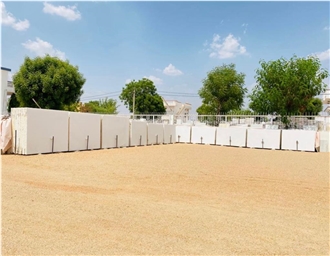
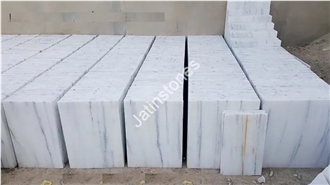
Makrana White Marble

About
Item Details
- Material Type:
- Marble
- Origin:
India (Makrana, Nagaur, Rajasthan) - Primary Color(s):
- White
- Recommended Usage:
- Kitchen and bathroom countertops, wash basins, building stone, ornamental stone, stairs, interior, exterior wall and floor applications, mosaic, waterjet pattern, wall panels, table tops, balustrades, columns, wall and pool copings, pool pavers, sculptures, fireplaces
- Additional Names:
- Makrana Pure White Marble, Sangemarmar Pure White Marble, White Makrana Marble, Makrana Albeta Marble, Nagaur White Marble, Taj White Marble, Makrana White Marble
- Finished Surface:
- Polished,Bush Hammered,Tumbled,Brushed,Honed,Split,Machine Cut,Natural Surface,Sandblasted,Combed,Leathered,Water Jet,Filled,Chiseled,Pickling
Testing
- Water Absorption:
- 0.04 %
- Density:
- 2690 kg/m³
- Flexural Strength:
- 17.0 MPa
- Compressive Strength:
- 96.0 MPa
Description
Makrana White Marble, originating from the town of Makrana in the Nagaur district of Rajasthan, India, is highly prized for its purity and delicate, milky-white appearance. This natural stone's fine, translucent texture and impressive durability make it a preferred choice for both historical and modern construction projects.
Physical and Mechanical Properties
- Water Absorption: 0.04%
- Density: 2690 kg/m³
- Flexural Strength: 17.0 MPa
- Compressive Strength: 96.0 MPa
- Hardness: Comparable to other marbles, often around 3-4 on the Mohs scale
- Porosity: Significantly lower than many other marble types, contributing to its longevity
- Slip Resistance: Generally good, though it varies depending on the finish. Polished surfaces are less slip-resistant compared to honed ones.
Chemical and Mineral Composition
- Calcium Carbonate (CaCO₃): Approximately 98%
- Minor traces of:
- Magnesium Carbonate (MgCO₃)
- Silica (SiO₂)
- Alumina (Al₂O₃)
- Iron Oxide (Fe₂O₃)
- The high purity and high percentage of calcium carbonate contribute to its appealing whiteness and durability.
Usage
- Historical Monuments: Used extensively in iconic structures such as the Taj Mahal due to its lasting beauty and strength.
- Modern Architecture: Ideal for flooring, cladding, staircases, and kitchen countertops.
- Interior Design: Used for fireplaces, statues, and decorative elements.
Maintenance
- Cleaning: Use a mild, non-acidic cleaner to maintain its surface; avoid harsh chemicals that could etch or damage the marble.
- Sealing: Although it is less porous, a sealant can add an additional layer of protection against staining.
- Routine Care: Wipe up spills promptly and use coasters and mats to protect the surface.
Cutting Sizes
- Available in a variety of sizes customized according to project needs, typical slabs may range from:
- 30 cm x 60 cm
- 60 cm x 60 cm
- 60 cm x 120 cm
Available Common Surface Finish Options
- Polished: Enhances the marble's natural luster but reduces slip resistance.
- Honed: Smooth but not glossy, offering a more slip-resistant surface.
- Brushed: Adds texture for a rustic appearance.
- Leathered: A soft sheen with a textured surface, retaining more natural character.
Makrana White Marble's distinctive qualities of purity, low porosity, and lasting luster make it an ideal choice for both aesthetic and practical applications in architecture and home design. Its superior properties and minimal maintenance requirements ensure its enduring appeal in a wide range of environments.
FAQ
Yes, Makrana White Marble from India can be used in landscaping. Due to its beautiful white color and natural veining patterns, Makrana White Marble is often used for creating pathways, garden borders, steps, outdoor flooring, and decorative elements in landscaping projects. Its durability and resistance to extreme weather conditions make it suitable for outdoor use. Additionally, the luxurious appearance of Makrana White Marble adds an elegant touch to any landscape design.
What ruins white marble countertops?
There are several factors that can ruin white marble countertops:
1. Staining: White marble is porous and can easily absorb liquids, leading to permanent stains. Common culprits include acidic substances like citrus juices, wine, coffee, and oils.
2. Etching: Marble is made of calcium carbonate, which makes it vulnerable to acidic materials. If any acidic substance comes into contact with the marble, it can cause etching, which appears as dull spots or marks on the surface.
3. Scratches: Although marble is relatively soft compared to other natural stone countertops, it can still be scratched by abrasive materials or sharp objects.
4. Heat damage: Placing hot pots, pans, or dishes directly on the marble surface can cause thermal shock, leading to cracks or discoloration.
5. Harsh cleaners: Using abrasive or acidic cleaners can damage the surface of white marble countertops. It is important to use gentle, pH-neutral cleaners specifically designed for marble.
6. Improper maintenance: Neglecting regular sealing or failing to promptly clean up spills can contribute to the deterioration of white marble countertops over time.
Its worth noting that proper care and regular maintenance can help prevent or minimize damage to white marble countertops.
Can India's Makrana White Marble be used exterior applications in very rainy climates?
Yes, Indias Makrana White Marble can be used for exterior applications in very rainy climates. Makrana marble is known for its durability and resistance to weathering, making it suitable for outdoor use. It has been used for centuries in various architectural and sculptural applications, including in palaces and monuments. However, it is important to note that proper installation and maintenance are crucial to ensure the marbles longevity and prevent water damage or staining. Regular sealing and protecting the marble from prolonged exposure to moisture can help maintain its appearance and integrity in rainy climates.
What is the coefficient of friction of Filled India's Makrana White Marble tiles?
The coefficient of friction of Filled Indias Makrana White Marble tiles can vary depending on factors such as the surface finish, texture, and treatment of the tiles. It is recommended to consult the manufacturer or the supplier for specific information about the coefficient of friction for the particular product in question.
Can India's Makrana White Marble be used in a dining room?
Yes, Indias Makrana White Marble can be used in a dining room. Makrana White Marble is known for its beautiful white color and elegant appearance, making it a popular choice for various applications, including dining room countertops, flooring, and table tops. Its natural veining and smooth texture can add a touch of luxury and sophistication to any dining room decor. However, it is important to note that marble is a porous material and can be susceptible to stains and etching from acidic substances. Therefore, it is recommended to use coasters and placemats to protect the marble surface and clean up spills immediately to maintain its beauty.
How thick is India's Makrana White Marble slabs?
Indias Makrana White Marble slabs typically come in varying thicknesses, ranging from 15 mm (0.6 inches) to 20 mm (0.8 inches) for regular slabs. However, custom orders can also be made for thicker slabs as per the individual requirements of customers.
Can India's Makrana White Marble be used outdoors?
Yes, Indias Makrana White Marble can be used outdoors. It is a high-quality and durable marble that can withstand various weather conditions. Makrana White Marble is known for its natural elegance and can be used for various outdoor applications such as outdoor flooring, walls, facades, sculptures, and landscaping features. However, it is important to note that over time, outdoor elements may slightly affect the appearance of the marble due to natural weathering processes. Regular maintenance and cleaning can help preserve the marbles original beauty for a longer period of time.
What grade is India's Makrana White Marble?
Indias Makrana White Marble is generally considered to be of the highest grade, with a reputation for its premium quality and exquisite beauty. It is widely regarded as one of the finest types of white marble in the world.
Are there color variations of India's Makrana White Marble?
Yes, there are color variations of Indias Makrana White Marble. While the base color of this marble is predominantly white, it can also have subtle variations in shades and patterns. Some slabs may appear purer white, while others may exhibit hints of gray, beige, or even light pink veins running through them. The variations occur due to the natural mineral impurities and geological factors during the marbles formation process. However, the overall appearance of Makrana White Marble remains predominantly white, making it a highly sought-after building material.
Is India's Makrana White Marble an expensive stone?
I do not have access to current market trends and prices. However, Makrana White Marble is considered one of the finest quality marbles in the world and is highly prized for its elegant beauty and durability. It is often used in luxury buildings and expensive homes. Therefore, it is safe to assume that it is a high-end, expensive stone.


13YR