Post Your Needs

Marching Ants Basalt

Basalt

China

About

Item Details

Material Type:
Basalt
Origin:
China (Hainan)
Recommended Usage:
monuments, building stone, ornamental stone, stairs, interior, exterior wall and floor applications, mosaic, waterjet pattern, wall panels, table tops, window sills, balustrades, columns, wall and pool copings, pool pavers, sculptures, fireplaces, pavers, cobbles, curbstone
Additional Names:
Ant Line Basalt, Marching Ants Lava Stone, Hainan Black Basalt, Hainan Black Lava Stone, Hainan Black Lavastone, Hainan Black Travertine, Haikou Basalt, Haikou Black Basalt, in China stone market:海南黑色玄武岩(Hǎinán Hēisè Xuánwǔyán), 海南黑玄武岩(Hǎinán Hēi Xuánwǔyán), 蚂蚁线 (Mǎ Yǐ Xiàn), Marching Ants Basalt
Finished Surface:
Polished,Flamed,Bush Hammered,Tumbled,Brushed,Honed,Split,Machine Cut,Natural Surface,Sandblasted,Acid Washing,Combed,Leathered,Water Jet,Chiseled,Pickling

Testing

Water Absorption:
1.91 %
Density:
2407 kg/m³
Flexural Strength:
11.09 MPa
Compressive Strength:
48.92 MPa

Description

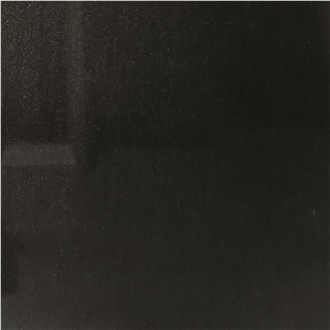
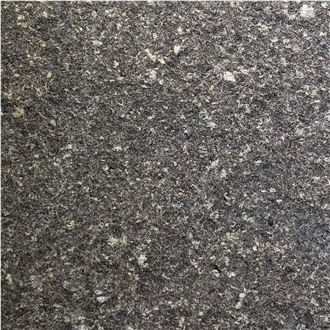
Marching Ants Basalt features a deep matte greyish-black to charcoal base with subtle earthy undertones. Its dark, understated color and rugged surface create a distinctive natural appearance suitable for contemporary, rustic, and landscape-oriented architectural designs.

Texture & Structure:

The stone has a naturally porous, vesicular texture formed by gas cavities during volcanic cooling. Numerous irregular voids and cavities of varying sizes are distributed across the surface, creating a rough, rugged, and organic character. Unlike polished decorative stones, its appeal comes primarily from its natural surface texture. The pore depth, size, and distribution may vary between pieces.

Pattern & Surface Characteristics:

Marching Ants Basalt lacks conventional mineral veining. Instead, its surface is defined by densely scattered, crater-like pores and cavities that create a rhythmic, textured pattern reminiscent of marching ants. The irregular openings and subtle tonal variations give the stone a distinctive visual depth. Its natural appearance is particularly effective in applications where texture and material authenticity are desired.

Technical Characteristics:

  • Water Absorption: 1.91% by weight
  • Density: 2407 kg/m³
  • Flexural Strength: 11.09 MPa
  • Compressive Strength: 48.92 MPa
  • Hardness: Approximately 5–6 Mohs, indicative
  • Surface Texture: Naturally porous and vesicular

Mineral Composition (% by weight):

  • Plagioclase Feldspar: 35–55%
  • Pyroxene: 20–40%
  • Olivine: 0–15%
  • Volcanic Glass and Fine-Grained Matrix: 0–15%
  • Iron Oxides and Accessory Minerals: 1–5%

Chemical Composition (% by weight):

  • SiO₂: 45–52%
  • Al₂O₃: 12–17%
  • Fe₂O₃ and FeO: 8–15%
  • CaO: 7–12%
  • MgO: 4–10%
  • Na₂O: 2–4%
  • K₂O: 0.5–2%
  • TiO₂: 0.5–2%
  • Other Oxides: Trace amounts

Usage:

Suitable for landscape paving, garden pathways, outdoor patios, courtyard flooring, decorative wall cladding, feature walls, garden edging, water-feature surrounds, and selected architectural landscaping applications. Its naturally porous texture provides a rugged aesthetic, but suitability for wet areas, heavy pedestrian traffic, and freeze-thaw environments should be assessed according to the intended installation. Deep cavities may collect dirt and require more frequent cleaning, while water-sensitive installations may require appropriate sealing or surface treatment.

Finishes:

Natural, sawn, honed, brushed, flamed, and other custom finishes, subject to the stone's characteristics and processing suitability. Finishing may alter the appearance and openness of the natural cavities.

Maintenance:

Clean with water and a suitable pH-neutral stone cleaner using a soft brush to remove dirt from the cavities. Avoid acidic cleaners, harsh chemicals, and abrasive methods that may damage the surface or leave residues. Depending on the application and porosity, a compatible penetrating sealer may help reduce water and stain absorption, although it will not eliminate the natural cavities. For outdoor installations, provide proper drainage and remove accumulated dirt, leaves, and standing water regularly. Confirm sealer compatibility on a sample before treating the entire surface.

Note: The supplied water absorption, density, flexural strength, and compressive strength values are provided as stated. Hardness and mineral and chemical compositions are indicative estimates for database reference, not verified laboratory results for this specific stone. Actual properties may vary between quarry lots and should be confirmed through appropriate testing.

FAQ

Is Marching Ants Basalt suitable for heavy-traffic commercial flooring?

Marching Ants Basalt can be suitable for commercial flooring, depending on specific conditions and requirements. Basalt is generally a durable and hard natural stone, making it a popular choice for flooring, including spaces that experience moderate to heavy foot traffic. However, a few considerations should be taken into account: 1. **Surface Finish**: The finish on the basalt could impact its suitability. For heavy-traffic areas, a honed or flamed finish might provide better slip resistance compared to a polished finish, which can be slippery. 2. **Maintenance**: Natural stone like basalt requires regular maintenance to ensure longevity and appearance. This includes cleaning and periodic sealing to protect the surface from stains and scratches. 3. **Installation**: Proper installation is crucial to ensure that the flooring can withstand heavy use. This includes appropriate sub-floor preparation, using the right adhesive, and proper joint spacing. 4. **Design Considerations**: Ensure the pattern and style of Marching Ants Basalt align with the aesthetic goals of the space. 5. **Specific Use-case**: Analyze whether the particular area requires specific flooring characteristics, like extra slip resistance or resilience against heavy equipment. For these reasons, its advisable to consult with a flooring expert to assess whether Marching Ants Basalt is the most suitable material for your specific application and environment.

Does sealing Marching Ants Basalt eliminate its porosity?

Sealing Marching Ants Basalt, or any basalt stone, does not completely eliminate its porosity, but it does significantly reduce it. Basalt is a dense volcanic rock, but like most natural stone, it has some level of porosity which means it can absorb liquids and be susceptible to staining. Using a sealer helps fill the microscopic pores and creates a protective barrier on the surface, reducing its ability to absorb water and other liquids. This helps in preventing stains and damage, but it is important to note that sealing is not permanent; the sealant will wear off over time and will need to be reapplied periodically to maintain the protective barrier.

Can the cavities in Marching Ants Basalt be filled?

Yes, the cavities in Marching Ants Basalt can potentially be filled, but the approach will depend on the desired outcome and the nature of the basalt itself. Marching Ants Basalt is known for its unique texture and cavities. If the goal is to preserve the natural aesthetic while stabilizing or strengthening the stone, its important to choose a method that is minimally invasive and compatible with the material. Here are some methods to fill cavities in basalt: 1. **Epoxy or Resin Fillers**: Using a clear or colored epoxy or resin can fill the cavities while enhancing the stones natural appearance. This method can also help stabilize the stone. 2. **Cement-based Fillers**: For a more traditional approach, a cementitious filler can be used. This method may alter the appearance more significantly but can be effective for structural purposes. 3. **Grouts and Mortars**: Specialized grouts or mortars that match the color and texture of the basalt can be applied. This is usually done for larger cavities and where structural integrity is essential. Before proceeding with any filling method, its advisable to consult with a professional conservator or stone restoration expert to ensure that the chosen method is appropriate for the specific application and desired outcome. Additionally, consider testing on a small, inconspicuous area before widespread application.

Is sawn cut Marching Ants Basalt suitable for swimming pool surrounds?

Sawn cut Marching Ants Basalt can be suitable for swimming pool surrounds, but there are several factors to consider: 1. **Slip Resistance**: One of the most important factors for pool surrounds is slip resistance. Basalt is generally a dense and durable stone, but its slip resistance will depend on the finish. A sawn surface may be smooth, so additional treatment or a textured finish may be necessary to enhance traction and reduce slipping hazards. 2. **Porosity and Water Absorption**: Basalt typically has low porosity, which is beneficial for resisting water absorption. This can help prevent issues like stains or water damage, making it suitable for wet areas like pool surrounds. 3. **Durability**: Basalt is known for its strength and durability, which is ideal for high-traffic areas. It can withstand weathering and chemical exposure from pool water. 4. **Heat Retention**: Dark stones like basalt can retain heat, becoming quite warm under direct sunlight. Consider how comfortable the surface will be for bare feet during hot weather and whether shading might be necessary. 5. **Aesthetics**: Basalt can offer a sleek and modern look, with its dark, uniform appearance complementing various pool designs. Before making a decision, it might be wise to consult with a professional installer or a landscape architect to ensure the stone is properly treated and finished for your specific requirements. Testing a sample in wet conditions can also provide a better idea of its suitability.

Does the porous surface of Marching Ants Basalt provide good slip resistance?

Yes, the porous surface of Marching Ants Basalt typically provides good slip resistance. The naturally textured surface of basalt, combined with its porosity, enhances traction, making it a suitable choice for areas where slip resistance is important, such as walkways, patios, and pool surrounds. However, its always a good idea to assess specific product finishes and consult with a professional to ensure it meets the particular requirements of your project.

Can Marching Ants Basalt be used in freezing climates?

Marching Ants Basalt, or any basalt for that matter, is generally a durable and weather-resistant material, making it suitable for use in a variety of climates, including freezing ones. Basalt is an igneous rock that is dense and hard, qualities that help it resist the freeze-thaw cycles seen in colder regions. However, several considerations should be kept in mind: 1. **Porosity and Absorption**: The porosity of the basalt can affect its performance in freezing weather. Lower porosity means less water absorption, minimizing freeze-thaw damage. 2. **Installation and Sealing**: Proper installation and potentially sealing the stone can enhance its performance and longevity in cold conditions by reducing water ingress and improving resistance to freezing and thawing. 3. **Specific Product Properties**: Marching Ants Basalt may refer to a specific product with unique properties or treatment. It’s important to check the technical specifications provided by the supplier regarding its suitability for freeze-thaw environments. 4. **Maintenance**: Regular maintenance to ensure the stone remains sealed and damage-free will also help extend its lifespan in harsh climates. For projects in freezing climates, its advisable to consult with a local expert or supplier who can provide guidance based on regional conditions and the specific product in question.

Why does Marching Ants Basalt have so many holes and cavities?

Marching Ants Basalt is a type of volcanic rock that is characterized by its numerous holes and cavities, which are known as vesicles. These vesicles form as a result of the volcanic activity that creates the basalt. Heres how it happens: 1. **Formation Process**: When basaltic lava is expelled from a volcano during an eruption, it often carries a high concentration of dissolved gases, such as water vapor, carbon dioxide, and sulfur dioxide. 2. **Gas Exsolution**: As the lava reaches the surface and starts to cool, the pressure decreases, allowing these dissolved gases to come out of solution and form bubbles. 3. **Rapid Cooling**: The basaltic lava cools relatively quickly, trapping the gas bubbles inside the rock before they can escape. This rapid cooling is especially prevalent in basaltic flows compared to slower-cooling rocks, leading to the preservation of the vesicles. 4. **Vesicular Texture**: The resulting texture, known as vesicular, is characterized by many small cavities or holes throughout the rock. Over time, these vesicles can also be filled with secondary minerals, but in the case of Marching Ants Basalt, the vesicles often remain empty, maintaining its distinct, porous appearance. The name Marching Ants Basalt might be a local or vernacular term, or a specific name given due to the appearance of the rock. The exact origin of the name might relate to how the pattern of the vesicles resembles lines of ants marching across the surface, but the formation process is generally similar for vesicular basalts.

Products & Prices

Hot Basalt

New Basalt

Post Your Request

The request includes:
  1. surface finished, size
  2. quantity required