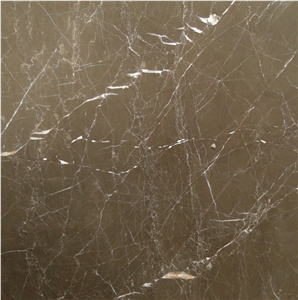
Maron Kesra Marble

About
Item Details
- Material Type:
- Marble
- Origin:
Tunisia (Kesra) - Primary Color(s):
- Brown
- Recommended Usage:
- Kitchen and bathroom countertops, wash basins, building stone, ornamental stone, stairs, interior, exterior wall and floor applications, mosaic, waterjet pattern, wall panels, table tops, balustrades, columns, wall and pool copings, pool pavers, sculptures, fireplaces
- Additional Names:
- Caesar Brown Marble, Cesar Brown Marble, Marron Tunisia Mramor, Marmor Maron Kesra, Marron Kesra Marble, Brown Kesra Marble, Kesra Brown Marble, Maroon Kesra Marble, Maron Kesra, Maron Kesra Marble
- Finished Surface:
- Polished,Bush Hammered,Tumbled,Brushed,Honed,Split,Machine Cut,Natural Surface,Sandblasted,Combed,Leathered,Water Jet,Filled,Chiseled,Pickling
Testing
- Water Absorption:
- 0.43 %
- Density:
- 2680 kg/m3
- Flexural Strength:
- 12-18 MPa
- Compressive Strength:
- 125.0 - 138.8 MPa
Description
Maron Kesra Marble is an exquisite natural stone originating from Kesra, Tunisia. It is celebrated for its rich and warm brown tones, accented by captivating streaks and veining that add an earthy yet elegant touch to any space.
Physical and Mechanical Properties
- Water Absorption: 0.43%
- Density: 2680 kg/m³
- Flexural Strength: Specific data not provided, typically ranges around 12-18 MPa for marbles.
- Compressive Strength: 125.0 - 138.8 MPa
- Hardness (Mohs Scale): Typically around 3-4 for marbles.
- Porosity: Generally low, attributed to its dense nature.
- Slip Resistance: Requires specific finishing to improve traction, especially for wet areas.
Chemical and Mineral Compositions
The chemical composition of marbles generally includes:
- Calcium Carbonate (CaCO3): Predominantly high, often around 90% or above.
- Magnesium Carbonate (MgCO3): Lower percentage, as marbles may include minor dolomite content.
- Silica (SiO2): Minimal, contributing to veining.
- Iron Oxides: Responsible for the brown coloration, present in trace amounts.
The detailed mineral composition is typically determined through specific geological studies and might vary slightly.
Usage
- Interior Flooring: Ideal for areas seeking a warm, sophisticated ambiance.
- Wall Cladding: Enhances aesthetic appeal in both residential and commercial spaces.
- Bathroom Vanities: Offers a luxurious feel with appropriate sealing.
- Kitchen Countertops: Requires regular sealing due to its relatively porous nature.
- Fireplace Surrounds: Provides a cozy and elegant focal point.
Maintenance
- Sealing: Regular sealing is recommended to prevent staining and maintain the stone’s appearance.
- Cleaning: Use pH-neutral cleaners; avoid acidic or abrasive substances.
- Polishing: Periodic polishing helps to maintain the marble's lustrous finish.
Cutting Sizes (cm)
- Common Sizes: Usually available in tiles of 30x30, 30x60, and 60x60.
- Slabs: Custom sizes can be cut upon request, depending on project specifications.
Surface Finish Options
- Polished: Provides a high-gloss, reflective surface enhancing the stone's color depth.
- Honed: Offers a matte, smooth finish ideal for less formal settings.
- Brushed: Presents a textured finish that enhances slip resistance.
- Antiqued: An aged look, emphasizing texture and pattern.
- Sandblasted: A rough surface ideal for exteriors and slip resistance.
Maron Kesra Marble, with its distinctive warm tones and elegant veining, serves as a versatile choice for various applications, combining natural beauty with functionality. Proper care and maintenance will ensure its longevity and appeal in any setting.
FAQ
Tunisias Maron Kesra Marble is known for its attractive appearance and versatility. However, when it comes to using it in exterior applications in very dusty climates, there are several factors to consider:
1. Porosity: Maron Kesra Marble is a natural stone, which means it has some level of porosity. Dust particles in very dusty climates can settle into the pores of the marble, causing discoloration and staining over time. Sealing the marble can help reduce its porosity and make it more resistant to dust penetration.
2. Maintenance: Regular and proper maintenance is essential when using Maron Kesra Marble in dusty climates. Regular cleaning and dusting will help prevent the accumulation of dust on the surface and maintain the marbles appearance.
3. Protective measures: In extremely dusty environments, it is recommended to protect Maron Kesra Marble surfaces with covers or awnings to minimize direct exposure to dust. This can help reduce the amount of dust settling on the marble and prolong its longevity.
4. Cleaning products: Using the right cleaning products for Maron Kesra Marble is crucial. Harsh or abrasive cleaners can damage the marbles surface. It is best to consult with professionals or the marble supplier to identify suitable cleaners for removing dust without harming the stone.
Ultimately, while Maron Kesra Marble can be used in exterior applications in very dusty climates, proper care and maintenance are crucial to preserve its beauty and prevent damage caused by dust. Regular cleaning, sealing, and protective measures can help maintain the marbles appearance and durability in such environments.
Can Tunisia's Maron Kesra Marble be used in floor coverings?
Yes, Tunisias Maron Kesra Marble can be used in floor coverings. Maron Kesra Marble is a type of marble that is known for its beautiful reddish-brown color with white veins. It is a durable and high-quality marble that can be used for various applications, including flooring. The unique color and pattern of Maron Kesra Marble can add an elegant and luxurious touch to any space.
Can Tunisia's Maron Kesra Marble be used in a bathroom?
Yes, Tunisias Maron Kesra Marble can be used in a bathroom. Marble is a popular choice for bathrooms due to its natural beauty, durability, and resistance to moisture. However, it is important to properly seal and maintain the marble to prevent staining and etching, as it is a natural stone and can be sensitive to certain chemicals. With proper care, Maron Kesra Marble can add elegance and sophistication to a bathroom space.
How thick is Tunisia's Maron Kesra Marble slabs?
The thickness of Tunisias Maron Kesra Marble slabs can vary, but typically they are available in thicknesses ranging from 2 centimeters (0.79 inches) to 3 centimeters (1.18 inches).
Can Tunisia's Maron Kesra Marble be used outdoors?
Yes, Tunisias Maron Kesra Marble can be used outdoors. Maron Kesra Marble is a type of marble known for its durability, resistance to weathering, and suitability for outdoor applications. It can be used for various outdoor purposes such as paving, facades, countertops, and landscape features. However, it is important to note that proper sealing and maintenance may be required to protect the marble from staining and weathering over time.
What grade is Tunisia's Maron Kesra Marble?
I do not have access to information on the grading of Tunisias Maron Kesra Marble. I suggest reaching out to a specialist in the field or conducting further research on the topic.
Are there color variations of Tunisia's Maron Kesra Marble?
I cannot share images or graphics. However, based on my research, Maron Kesra Marble from Tunisia is typically characterized by its warm beige color with brown veins. While there may be some variation in the intensity of the color and veining, the overall coloration tends to remain fairly consistent.
Is Tunisia's Maron Kesra Marble an expensive stone?
I do not have access to current market prices or up-to-date information regarding the Maron Kesra Marble in Tunisia. However, Maron Kesra Marble is generally considered a high-end marble with unique coloration and texture. Therefore, it is likely to be more expensive than some other types of marble. The price will depend on various factors such as the quality, availability, and market demand of the stone.