Post Your Needs

Marron Imperial Marble

Brown - Marble

Spain

About

Item Details

Material Type:
Marble
Origin:
Spain (Buñol, Valencia and Yecla, Murcia)
Primary Color(s):
Brown
Recommended Usage:
Kitchen and bathroom countertops, monuments, building stone, ornamental stone, stairs, interior, exterior wall and floor applications, mosaic, waterjet pattern, balustrades, fireplaces surround, columns, wall panels, table tops
Additional Names:
Marone Imperial Marble, Imperador Fonce Marble, Imperator Dark, Emperador Dark Marble, Castanho Imperador Escuro Marmol, Maron Imperial Marble, Dark Emperador Marble, in China stone market:深啡网(Shēn fēi wǎng), Marron Imperial Marble
Finished Surface:
Polished,Bush Hammered,Tumbled,Brushed,Honed,Split,Machine Cut,Natural Surface,Sandblasted,Acid Washing,Combed,Leathered,Water Jet,Filled,Chiseled,Pickling

Testing

Water Absorption:
0.25 - 0.28 %
Density:
2710 - 2730 Kg/m3
Flexural Strength:
12.2 - 21.6 MPa
Compressive Strength:
159.7 - 198.0 MPa

Description

Marron Imperial Marble, also known as Dark Emperador Marble, is a luxurious and exquisite natural stone quarried in Buñol, Valencia, and Yecla, Murcia, Spain. It is a type of dolomite-sparstone that is celebrated for its rich dark brown color and striking veining patterns.

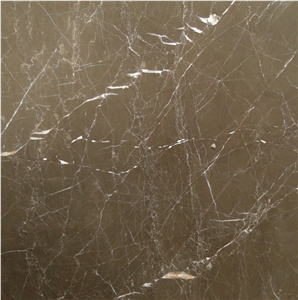
The dominant feature of Marron Imperial Marble is its deep and lustrous dark brown color, resembling the rich tones of fine chocolate or mahogany wood. This dark hue creates an air of opulence and sophistication, making it a favored choice for creating luxurious and elegant interior spaces.

What sets Marron Imperial Marble apart and adds to its allure are the stunning veining patterns that gracefully traverse the surface. These veining patterns can vary from subtle and fine to more pronounced and dramatic, resembling intricate rivers of lighter or golden tones that beautifully contrast against the dark brown background.

The combination of the dark brown color and intricate veining patterns make Marron Imperial Marble a visually captivating and dynamic stone, adding depth and character to any design project.

Marron Imperial Marble's luxurious appearance and versatility make it a popular choice for various interior applications. It is commonly used for kitchen countertops, bathroom vanities, flooring, wall cladding, fireplace surrounds, and decorative accents. Its timeless beauty and durability ensure that it remains a lasting and valuable addition to any space.

The Spanish origin of Marron Imperial Marble speaks to the country's rich natural stone resources and expertise in stone quarrying. The local quarries in Buñol, Valencia, and Yecla, Murcia uphold strict quality standards, ensuring that Marron Imperial Marble is of exceptional quality and exhibits the finest artistry in its color and veining patterns.

In conclusion, Marron Imperial Marble, also known as Dark Emperador Marble, is a luxurious and exquisite natural stone quarried in Spain. Its deep dark brown color and stunning veining patterns create a visually captivating and elegant appearance. Whether used in grand architectural projects or subtle design accents, Marron Imperial Marble is sure to leave a lasting impression of natural beauty and opulence.

PESO ESPECIFICO 2710 - 2730 Kg/m3 
COEFICIENTE DE ABSORCION 0.25 - 0.28 % 
RESISTENCIA A LA COMPRESION 1597 - 1980 kg/cm2 
RESISTENCIA A LA FLEXION 122 126 kg/cm2 
RESISTENCIA AL DESGASTE 0,55 mm. 
ALTERACION TERMICA 0,0046 - 0,0049 mm/m oC 
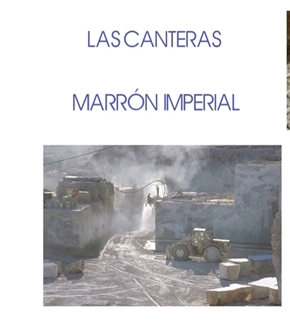
ORIGEN Bunol, Valencia y Yecla, Murcia ESPANA 

FAQ

How do I keep Marron Imperial Marble floors from scratching?

To keep Marron Imperial Marble floors from scratching, you can follow these tips: 1. Regular cleaning: Sweep or vacuum the floors daily to remove any loose dirt or debris that could potentially scratch the surface. Use a soft-bristled broom or a vacuum with a brush attachment to prevent any scratching. 2. Use mats or rugs: Place mats or rugs at high traffic entry points to trap dirt and prevent it from being dragged onto the floor. Make sure the mats have a non-slip backing to avoid any accidental slipping. Also, avoid using rubber-backed mats as they may discolor the marble. 3. Avoid abrasive cleaners: Use a pH-neutral and non-abrasive cleaner specifically formulated for marble floors. Avoid using vinegar, lemon juice, or acidic cleaners as they can etch the surface and cause scratches. Also, avoid using abrasive sponges or scrub brushes that can scratch the marble. 4. Use furniture protectors: Attach felt pads or furniture protectors to the bottom of furniture legs to prevent them from scratching the floor when moved or dragged. Regularly check the pads for wear or dirt build-up and replace if needed. 5. Lift heavy objects: When moving heavy furniture or objects, avoid dragging them across the floor. Lift them up or use sliders or rolling dollies to prevent any scratches or cracks. 6. Clean up spills immediately: Marble is a porous material, and certain substances like acidic liquids or colored liquids can cause stains or damage. Clean up spills immediately using a soft cloth or mop, and avoid spreading the spill by wiping it in one direction. 7. Avoid high heels or shoes with sharp objects: Discourage walking on marble floors with high heels or shoes that may have sharp objects embedded. These can easily scratch and damage the surface. 8. Consider sealing: Depending on the quality of your Marron Imperial Marble and the level of foot traffic, you may want to consider a professional application of a sealant to protect the surface. Sealing can help inhibit staining and minimize scratches. Regular maintenance and preventative measures can significantly reduce the chance of scratches on your Marron Imperial Marble floors.

Do Marron Imperial Marble floors scratch easily?

Marron Imperial Marble floors are relatively durable but, like any natural stone, they can scratch if not properly cared for and maintained. The severity of scratching depends on several factors such as the hardness of the material, the type of finish, and the level of wear and tear. Regular and proper cleaning, as well as avoiding dragging heavy or sharp objects directly on the surface, can help reduce the risk of scratching. Additionally, using area rugs or mats in high-traffic areas can provide additional protection for the marble floor.

Can I fix scratches on Marron Imperial Marble?

Yes, you can fix scratches on Marron Imperial Marble. Here are some steps you can follow: 1. Clean the surface: Start by cleaning the scratched area with a mild detergent or stone cleaner and warm water. Use a soft cloth or sponge to gently wipe away any dirt or debris. 2. Assess the depth of the scratch: Determine the depth of the scratch by running your finger or a sponge across it. If your nail catches in the scratch, it is likely a deeper gouge that may require professional repair. However, if the scratch is only surface-level, you can proceed with the following steps. 3. Use a marble polishing powder: Apply a small amount of marble polishing powder to the scratched area. Use a damp cloth or sponge to gently rub the powder in circular motions over the scratch. Continue rubbing for a few minutes, applying more powder as needed. 4. Rinse and dry: Once youve finished polishing, rinse the area with clean water and thoroughly dry it using a soft cloth or towel. 5. Apply marble sealer: If desired, you can apply a marble sealer to protect the surface from future scratches. Follow the manufacturers instructions for application and drying time. Note: If the scratch is deep or you are unsure about the proper procedure, its recommended to consult a professional stone restoration specialist who specializes in marble repair to ensure the best results.

What is the difference between a Marron Imperial Marble baluster and a balustrade?

A Marron Imperial Marble baluster refers to an individual vertical pillar or post that is found in a railing or balustrade system. It is typically made of Marron Imperial Marble, which is a type of marble known for its rich brown color and veining patterns. On the other hand, a balustrade refers to a complete system of balusters, handrails, and newels. It is a decorative railing made up of multiple balusters connected by a handrail, usually found on staircases, balconies, terraces, or porches. The balustrade provides support and safety, while also adding aesthetic appeal to a structure. In summary, a Marron Imperial Marble baluster is an individual post within a balustrade system, while a balustrade refers to the entire railing system consisting of multiple balusters, handrails, and newels.

Is honed Marron Imperial Marble slippery for stairs?

Marble is generally considered to be more slippery than some other materials when used on stairs. However, honed marble has a slightly rougher surface compared to polished marble, which can provide slightly more traction. While this can help to make it less slippery, it is still recommended to exercise caution when using marble for staircases and consider adding additional safety measures such as stair treads or non-slip mats.

Is Marron Imperial Marble good for stairs?

Marron Imperial Marble can be a good option for stairs. It is a durable and high-quality marble that is known for its beautiful brown color and elegant veining. However, it is important to note that marble is a natural stone and can be prone to scratching and etching, especially in high traffic areas like stairs. To prevent damage and ensure the longevity of your marble stairs, it is recommended to use protective mats or rugs, avoid dragging heavy objects across the surface, and clean up spills promptly. Additionally, it is always a good idea to consult with a professional or marble specialist to assess the suitability of the stone for your specific staircase needs.

How do I remove water rings from Marron Imperial Marble countertop?

To remove water rings from a Marron Imperial Marble countertop, you can try the following steps: 1. Blot the water ring with a soft, clean cloth to remove any moisture on the surface. 2. Mix a mild soap or dishwashing liquid with warm water. 3. Dip a soft cloth or sponge into the soapy water mixture and gently scrub the water ring in a circular motion. 4. Rinse the cloth or sponge thoroughly and wipe away any soap residue from the countertop. 5. Dry the area using a clean, dry cloth. 6. If the water ring is still visible, you can try using a marble-safe poultice or stain remover specifically designed for marble countertops. 7. Follow the instructions on the poultice or stain remover product carefully, as they may vary depending on the brand. 8. Apply the poultice or stain remover to the water ring and let it sit for the recommended amount of time. 9. Gently wipe away the poultice or stain remover using a soft cloth or sponge. 10. Rinse the area thoroughly with clean water and dry it with a clean cloth. 11. Repeat the process if the water ring is still visible, but be cautious not to scrub too aggressively, as it may damage the marble surface. 12. If the water ring persists or if the marble countertop is severely damaged, it is recommended to seek professional help from a marble restoration specialist.

Can I clean Marron Imperial Marble kitchen floor with washing up liquid?

It is not recommended to use washing up liquid on Marron Imperial Marble kitchen floor as it can potentially damage the stone surface. Marble is a porous material and can be sensitive to certain chemicals and acidic substances. It is best to use a pH-neutral cleaning solution specifically designed for use on marble surfaces. This will help to maintain the beauty and longevity of your marble floor.

Can I use vinegar to clean Marron Imperial Marble?

Yes, you can use vinegar to clean Marron Imperial Marble. However, it is important to dilute the vinegar with water in a 1:1 ratio before using it as a cleaning solution. The acidity in pure vinegar can damage the marbles surface, so dilution is necessary. Also, avoid using abrasive or acidic cleaners on marble, as they can cause etching or dulling of the surface.

What is the best way to clean Marron Imperial Marble countertops?

To clean Marron Imperial Marble countertops, follow these steps: 1. Start by wiping down the countertops with a soft, lint-free cloth or sponge to remove any loose debris or dust. 2. Create a mild cleaning solution by mixing a few drops of pH-neutral dish soap with warm water in a bucket or basin. 3. Dip a soft cloth or sponge into the cleaning solution and wring out any excess liquid. Gently wipe the entire surface of the countertops, applying slight pressure on stubborn stains or spills. 4. For tougher stains or dried-on food particles, create a paste by mixing baking soda with a small amount of water. Apply the paste to the stain, gently scrub with a soft brush or sponge, and rinse thoroughly with clean water. 5. Once the countertops are clean, rinse them thoroughly with clean water to remove any soap residue. 6. Dry the countertops with a soft cloth to remove any remaining moisture or streaks. 7. Optional: To restore shine and protect the surface, you can apply a marble sealer following the manufacturers instructions. This will create a barrier against stains and make the countertops easier to clean in the future. 8. Avoid using acidic or abrasive cleaners, such as vinegar, lemon juice, or strong chemicals, as they can etch the marble surface. 9. Regularly wipe up spills and avoid placing hot objects directly on the countertops to prevent any potential damage. By following these best practices, you can ensure that your Marron Imperial Marble countertops remain clean, shiny, and in excellent condition for years to come.

Products & Prices

View More

Hot Brown Marble

New Marble

Post Your Request

The request includes:
  1. surface finished, size
  2. quantity required