Post Your Needs

Milano Fossil Marble

Grey - Marble

Turkey

About

Item Details

Material Type:
Marble
Origin:
Turkey
Primary Color(s):
Grey
Recommended Usage:
Kitchen and bathroom countertops, monuments, building stone, ornamental stone, stairs, interior, exterior wall and floor applications, mosaic, waterjet pattern, wall panels, table tops, window sills, balustrades, columns, wall and pool copings, pool pavers, sculptures, fireplaces
Additional Names:
Gray Milano Marble, Milano Gray Marble, Milano Grey Marble, Milano Perlato Marble, Milano Fossil Marble
Finished Surface:
Polished,Bush Hammered,Tumbled,Brushed,Honed,Split,Machine Cut,Natural Surface,Sandblasted,Combed,Leathered,Water Jet,Filled,Chiseled,Pickling

Description

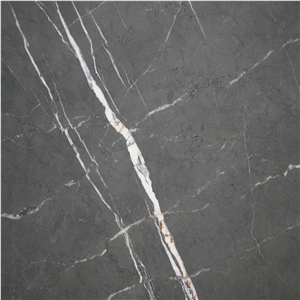
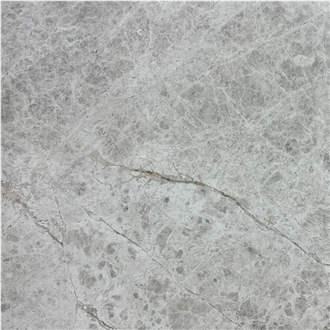
Milano Fossil Marble is a unique type of marble quarried in Turkey, known for its distinctive earthy grey color and fossilized segmented pattern. Here is a detailed description:

Color: The marble features an earthy grey color palette, with variations ranging from light to dark shades of grey. This natural coloration gives it a sophisticated and contemporary appearance, making it suitable for a variety of design applications.

Pattern: What sets Milano Fossil Marble apart is its striking fossilized segmented pattern. This pattern resembles fossilized remains or organic formations embedded within the stone, adding depth and visual interest to its surface. The segments may vary in size and shape, creating a unique and organic aesthetic.

Texture: Milano Fossil Marble typically has a smooth and polished texture, enhancing its overall elegance and refinement. The polished surface allows light to reflect off the stone, showcasing the intricate details of the fossilized pattern.

Quarry Location: The marble is quarried in Turkey, a region known for its rich geological diversity and high-quality natural stone deposits. The specific quarry location may impact the characteristics and appearance of the marble, contributing to its uniqueness.

Usage: Milano Fossil Marble is commonly used for interior design applications, including flooring, wall cladding, countertops, and decorative accents. Its distinct pattern and neutral color palette make it a versatile choice for both residential and commercial projects seeking a sophisticated and contemporary aesthetic.

Overall, Milano Fossil Marble is prized for its unique combination of earthy grey color, fossilized segmented pattern, and smooth texture, making it a captivating choice for enhancing interior spaces with a touch of natural beauty and elegance.

FAQ

Does water permanently stain Milano Fossil Marble countertop?

Milano Fossil Marble countertops, like other marble surfaces, are susceptible to staining if liquids are not promptly wiped away. Marble is a porous natural stone, which means that any liquid—including water—can penetrate its surface and cause staining or etching over time if left unattended. While water itself does not typically cause permanent stains, it can lead to water spots and dullness if frequently left to dry on the surface. To protect your Milano Fossil Marble countertop, it is essential to: 1. **Wipe Up Spills Promptly**: Clean up water and other spills immediately to prevent them from soaking into the marble. 2. **Use Coasters and Mats**: Place coasters under glasses and trays or mats under items that could sweat or leak moisture. 3. **Seal the Marble**: Regularly apply a sealant specifically designed for marble to help reduce its porosity and protect against stains. 4. **Clean Gently**: Use a pH-balanced cleaner specifically for marble, and avoid harsh or acidic cleaners that could damage the stone. By taking these precautions, you can minimize the risk of water stains and maintain the beauty of your Milano Fossil Marble countertop. If stains do occur, you may need to consult with a professional to restore the marbles surface.


Is Milano Fossil Marble good for kitchen countertops?

Milano Fossil Marble can be a beautiful choice for kitchen countertops, but there are a few considerations to keep in mind: 1. **Aesthetics**: Milano Fossil Marble is known for its unique and elegant appearance, often featuring fossilized patterns. This can add an upscale and distinctive look to your kitchen. 2. **Porosity**: Marble is a porous material, which means it can absorb liquids and be prone to staining. You would need to seal the marble regularly to protect it from spills, especially from acidic substances like wine, lemon juice, or tomato sauce. 3. **Durability**: Marble is softer than some other natural stones, such as granite or quartzite, making it more susceptible to scratches and etching. Proper care and maintenance are necessary to keep it looking its best. 4. **Heat Resistance**: Marble can handle heat to a degree, but it’s best to avoid placing hot pots or pans directly on the surface to prevent potential damage or discoloration. 5. **Maintenance**: Regular cleaning with a mild soap and water is recommended, along with periodic resealing, to maintain its appearance and longevity. If you appreciate the look of Milano Fossil Marble and are willing to commit to the necessary maintenance, it can be a stunning choice for your kitchen. However, if durability and minimal upkeep are priorities, you might want to consider other materials like granite, quartz, or engineered stone alternatives.

Is Milano Fossil Marble backsplash the same thickness as countertop?

The thickness of Milano Fossil Marble used for backsplashes versus countertops can vary depending on the specific design choices and applications. Generally, countertops are thicker, often ranging from 2 to 3 centimeters (about 0.75 to 1.25 inches), as they need to support significant weight and withstand wear. Backsplashes, on the other hand, can be thinner, typically around 1 to 2 centimeters (about 0.4 to 0.75 inches), since they primarily serve an aesthetic and protective function rather than bearing weight. However, installation preferences can vary, and some homeowners or designers may choose to use the same thickness for both the countertop and backsplash for a uniform look or due to specific design goals. Its always best to consult with your supplier or contractor to determine the appropriate thickness for your specific project and material.

Can Milano Fossil Marble be scratched with a knife?

Milano Fossil Marble, like many natural stones, is relatively hard and durable, but it can still be scratched by certain materials. On the Mohs scale of mineral hardness, marble typically ranks around 3 to 5, whereas a steel knife is generally around 5 to 5.5. This means there is a possibility that Milano Fossil Marble could be scratched by a knife, especially if significant pressure is applied or if the knife has a sharper blade with a higher hardness. To protect marble surfaces, its advisable to use cutting boards or other protective surfaces when working with knives to prevent scratching. Regular maintenance and sealing can also help preserve the marbles appearance.

Do I need a special blade to cut 3cm thick Milano Fossil Marble tile?

Yes, cutting 3cm thick Milano Fossil Marble tiles requires a special blade designed for cutting stone. You should use a diamond blade, which is specifically made for cutting hard materials like marble, granite, and other types of stone. When cutting, ensure the blade is mounted on a suitable saw, such as a wet saw, to keep the blade cool and reduce dust. Wet cutting helps to achieve a smoother finish, prolongs the life of the blade, and minimizes the risk of damaging the marble. Always follow safety guidelines, including wearing protective gear, when cutting marble tiles.

How can I clean the grout of antique finish Milano Fossil Marble tiles?

Cleaning the grout of antique finish Milano Fossil Marble tiles requires a gentle approach to preserve both the grout and the delicate finish of the marble. Here are some steps to effectively clean the grout: 1. **Gather Supplies:** - pH-neutral stone cleaner or mild dish soap - Soft-bristle brush (e.g., an old toothbrush or a specialized grout brush) - Clean, soft cloths or microfiber towels - Warm water - Baking soda (optional) - Grout sealer (optional, for post-cleaning protection) 2. **Prepare the Area:** - Ensure the area is well-ventilated. - Remove any loose dirt and debris by sweeping or vacuuming the surface. 3. **Make a Cleaning Solution:** - Mix a small amount of pH-neutral stone cleaner with warm water according to the product instructions. Alternatively, mix a few drops of mild dish soap with warm water for a gentle solution. 4. **Application:** - Dampen the grout lines with the cleaning solution using a spray bottle or a cloth, but be careful not to soak the marble itself as excess moisture can damage the stone. 5. **Scrub the Grout:** - Using the soft-bristle brush, gently scrub the grout lines. Take care to avoid scratching the surface of the marble tiles. - For tougher stains, you can make a paste using baking soda and water. Apply this paste to the grout lines, let it sit for a few minutes, and then scrub gently. 6. **Rinse and Wipe:** - Thoroughly rinse the area with clean water to remove any soap residue, as this can attract dirt. - Wipe the tiles and grout with a clean, soft cloth to prevent water spots and streaks. 7. **Seal Grout (Optional):** - Once the grout is completely dry, consider applying a grout sealer to help prevent future stains and make cleaning easier. Be careful to choose a sealer that is appropriate for use with marble tiles. 8. **Regular Maintenance:** - Regularly dust and lightly clean the tiles and grout to maintain their appearance and prevent the buildup of dirt and grime. Always test any cleaning solution in a small, inconspicuous area first to ensure it does not damage the marble. Its important to avoid acidic or abrasive cleaners, as they can etch or dull the marble surface.

How thick is Turkey's Milano Fossil Marble slabs?

The thickness of Turkeys Milano Fossil Marble slabs can vary depending on the specific supplier or manufacturer. However, common thickness options for marble slabs range from 2 cm (0.78 inches) to 3 cm (1.18 inches).

Can Turkey's Milano Fossil Marble be used exterior applications in very humid climates?

Turkeys Milano Fossil Marble can be used for exterior applications in very humid climates, but it requires proper sealing and maintenance to withstand the moisture and prevent damage. Marble is a porous natural stone, which means it can absorb moisture if not properly protected. To make the marble suitable for exterior use in humid climates, it is necessary to apply a high-quality sealer specifically designed for natural stone. This sealer will create a protective barrier on the surface of the marble, preventing moisture from seeping in. Regular resealing may be required to maintain the effectiveness of the protective layer. Additionally, it is important to note that marble is a softer stone compared to other materials like granite, and it is more prone to etching, staining, and weathering. Therefore, regular cleaning and maintenance are crucial to keep the marble in good condition. Overall, while Turkeys Milano Fossil Marble can be used in exterior applications in very humid climates, proper sealing and maintenance are necessary to ensure its longevity and prevent damage.

Can Turkey's Milano Fossil Marble be used in landscaping?

Yes, Turkeys Milano Fossil Marble can be used in landscaping. This type of marble is commonly used for various exterior applications such as walkways, patios, pool decks, and garden walls. Its natural beauty, durability, and resistance to weather make it a suitable choice for landscaping projects. However, it is always important to consider factors such as maintenance, slip resistance, and compatibility with the overall design theme before using any specific material in landscaping.

Can Turkey's Milano Fossil Marble be used in a kitchen?

Yes, Turkeys Milano Fossil Marble can be used in a kitchen. Marble is a durable and heat-resistant material, making it suitable for kitchen countertops and backsplashes. However, it is essential to note that marble is a porous material and may require regular sealing to prevent staining from spills and acidic substances. Additionally, care should be taken to avoid exposing marble surfaces to harsh chemicals or abrasive cleaners, as they can damage the stone.

Hot Grey Marble

New Marble

Post Your Request

The request includes:
  1. surface finished, size
  2. quantity required