Post Your Needs

Milano Gray Marble

Marble

Italy

About

Item Details

Material Type:
Marble
Origin:
Italy
Recommended Usage:
Kitchen and bathroom countertops, wash basins, building stone, ornamental stone, stairs, interior, exterior wall and floor applications, mosaic, waterjet pattern, wall panels, table tops, balustrades, columns, wall and pool copings, pool pavers, fireplaces, window sills
Additional Names:
Milano Grey Marble, Italy Grey Milano Marble, in China stone market:意大利米兰灰(Yìdàlì Mǐlán Huī)
Finished Surface:
Polished,Bush Hammered,Tumbled,Brushed,Honed,Split,Machine Cut,Natural Surface,Sandblasted,Acid Washing,Combed,Leathered,Water Jet,Filled,Chiseled

Testing

Water Absorption:
0.2–1.5% by weight
Density:
2660– 2710 kg/m³
Flexural Strength:
10–13 MPa
Compressive Strength:
80–120 MPa

Description

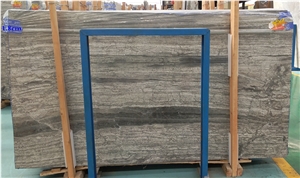
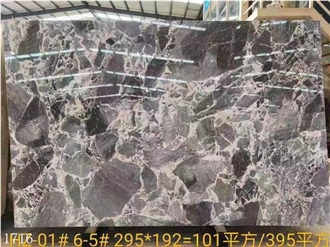
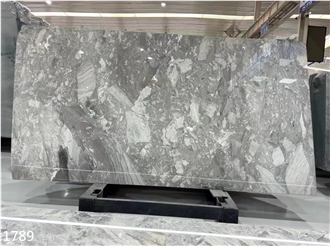
Milano Gray Marble is a natural Italian marble characterized by a blend of gray and beige tones, creating a neutral yet richly variegated palette. What makes it distinctive is the presence of irregularly shaped fragments or mineral components embedded throughout the stone. These fragments can range from subtle light beige to deeper gray or taupe, giving the surface a mosaic‑like, dimensional appearance. The overall visual effect is elegant and organic, with soft transitions between tones rather than stark contrast.

Texture & Pattern

The texture is medium to fine crystalline, typical of marbles formed under moderate metamorphic conditions. You’ll see:

  • Random, irregular patterns of fragments, swirls and veins
  • Areas where mineral grains are tightly interlocked
  • Subtle variations that make each slab unique

This natural variation is part of the aesthetic appeal — no two slabs are exactly alike.

Composition & Hardness

Marble is primarily composed of calcite (CaCO₃) and sometimes dolomite (CaMg(CO₃)₂). Specific “by weight” compositions vary by quarry and individual block, but a typical marble might contain:

  • Calcite: ~90–98%
  • Dolomite and accessory minerals (mica, quartz, feldspar): ~2–10%
  • Hardness (Mohs scale): ~3–4

– Softer than granites and engineered stones, which is why it’s preferred in architectural and interior design rather than heavy industrial floors.

Compressive Strength:

Natural marbles generally range from 70–140 MPa, but this can vary by stone quality and porosity. Because marble is carbonate‑based, it reacts with acids (vinegar, lemon juice, etc.) — important for maintenance.

Chemical & Mineral Behavior

Being predominantly calcite, Milano Gray Marble:

  • Can effervesce with acid (acid test)
  • Has low silica content compared to quartz‑rich stones
  • Contains various accessory minerals that affect color and pattern

Exact percentages vary by block and quarry; testing by certified laboratory is required for precise composition.

Usage

Milano Gray Marble is commonly used for:

  • Interior flooring
  • Wall cladding
  • Countertops (less common than granite due to acid sensitivity)
  • Bathroom vanities and tiles
  • Decorative architectural elements
  • Fireplace surrounds
  • Light commercial interiors

It’s best suited where aesthetics and elegance are priorities over maximum hardness.

Maintenance

Proper marble care is essential:

  • Seal regularly with penetrating sealers
  • Clean with pH‑neutral products
  • Avoid acids (vinegar, citrus, vinegar‑based cleaners)
  • Wipe spills immediately
  • Polished finishes show etches more than honed finishes
  • Routine polishing and resealing extend life and aesthetics.

FAQ

Does water permanently stain Milano Gray Marble countertop?

Water itself typically does not permanently stain Milano Gray Marble or any other type of marble. However, because marble is a porous natural stone, it can absorb liquids if left on the surface for too long, possibly leading to temporary darkening. Hard water deposits can also form over time if water is repeatedly left to dry on the surface, leaving a dull and discolored appearance. To prevent water-related issues, it is essential to: 1. **Wipe spills promptly:** Use a soft cloth to blot up any water spills as soon as they occur. 2. **Seal the marble:** Ensure your marble countertop is properly sealed. A good sealant provides a barrier against moisture and stains. Reapply sealant periodically as recommended by the manufacturer. 3. **Use coasters and mats:** Place coasters under beverages and mats or trivets under hot or wet items to protect the marble surface. If you do notice dull spots or light stains, they might be removed with a marble-specific cleaner or, in more severe cases, professional polishing might be required.

Is Milano Gray Marble good for kitchen countertops?

Milano Gray Marble can be a stylish choice for kitchen countertops, offering a sophisticated and elegant appearance with its gray hues and subtle veining. However, there are a few considerations to keep in mind when deciding if its the right material for your space: 1. **Porosity**: Marble is a porous stone, making it susceptible to staining from spills such as wine, juice, or oil. Regular sealing can help protect the surface, but it requires ongoing maintenance. 2. **Durability**: While marble is a durable stone, it is softer compared to granite and quartz. This means it can be more prone to scratching, etching, and chipping, particularly in a busy kitchen environment. 3. **Maintenance**: Marble countertops require regular cleaning with pH-neutral cleaners and periodic sealing to maintain their appearance and resist stains. 4. **Aesthetic Appeal**: Milano Gray Marble offers a timeless and luxurious look that can enhance the overall design of your kitchen. Its natural patterns and colors may also help mask minor imperfections over time. 5. **Cost**: Marble can be more expensive than other countertop materials, so consider your budget when making a decision. If youre willing to invest the time in proper maintenance and you love the aesthetic it offers, Milano Gray Marble can be a wonderful choice. For those looking for a more low-maintenance option, materials like quartz that mimic the look of marble might be worth considering.

Is Milano Gray Marble backsplash the same thickness as countertop?

The thickness of a Milano Gray Marble backsplash and countertop can vary depending on the specific installation and the manufacturers specifications. Typically, marble countertops are thicker, often around 2 to 3 centimeters (approximately 0.75 to 1.25 inches) for natural stone options. Backsplashes, on the other hand, are often thinner, possibly around 1 to 2 centimeters (approximately 0.4 to 0.75 inches), as they do not need to withstand as much stress as countertops. However, these measurements can differ based on personal preference, design choices, or specific supplier offerings. Its always best to check the exact specifications from your supplier or fabricator to ensure you get the desired thickness for both your backsplash and countertop.

Can Milano Gray Marble be scratched with a knife?

Milano Gray Marble, like most types of marble, is a relatively soft stone compared to other natural stones such as granite. On the Mohs scale of mineral hardness, marble typically ranges from 3 to 5. This means it can be scratched by harder substances, including common kitchen utensils like knives. Therefore, using a knife directly on Milano Gray Marble can indeed scratch its surface. To prevent damage, its advisable to use cutting boards and avoid direct contact between sharp objects and the marble surface.

Do I need a special blade to cut 3cm thick Milano Gray Marble tile?

Cutting 3cm thick Milano Gray Marble tile requires a blade that is designed for cutting natural stone. A diamond blade is the most suitable choice for this task. Here are some key points to consider: 1. **Diamond Blade**: Specifically, you should use a continuous rim diamond blade or one labeled for cutting marble or natural stone. These blades are designed to handle the hardness and density of marble. 2. **Wet Saw**: Its highly recommended to use a wet saw equipped with the appropriate diamond blade. The water helps to cool the blade and reduce dust, which also minimizes the risk of chipping or cracking the marble. 3. **Blade Quality**: Ensure the blade is of high quality and in good condition. Low-quality or worn-out blades can result in poor cuts and damage to the tile. 4. **Speed and Pressure**: Apply moderate pressure and let the saw do the work. Too much force can cause the marble to crack. Also, ensure that the saw is set to the appropriate speed for marble cutting. 5. **Safety Gear**: Always wear safety goggles, gloves, and a dust mask when cutting marble to protect yourself from sharp fragments and dust. By using the right tools and techniques, you can achieve clean and precise cuts in your marble tile.

How can I clean the grout of antique finish Milano Gray Marble tiles?

Cleaning the grout of antique finish Milano Gray Marble tiles requires care to ensure that both the grout and the marble tiles are not damaged. Heres a step-by-step guide: ### Materials Needed: - Soft-bristle brush or old toothbrush - pH-neutral stone cleaner - Warm water - Microfiber cloth or soft sponges - Baking soda (optional) - Hydrogen peroxide or mild bleach solution (optional, for tough stains on grout) ### Steps: 1. **Dust and Sweep:** - Begin by sweeping or vacuuming the area to remove any loose dirt or debris. This prevents scratching the marble surface during cleaning. 2. **Prepare Cleaning Solution:** - Use a pH-neutral stone cleaner that is safe for marble. Avoid acidic or vinegar-based cleaners as they can damage the marble. 3. **Apply and Scrub Gently:** - Dampen a soft-bristle brush or an old toothbrush with the cleaner. Gently scrub the grout lines, being careful not to scrub the marble tiles themselves too aggressively. 4. **Baking Soda Paste (Optional for Extra Cleaning):** - For extra cleaning power, you can create a gentle paste using baking soda and water. Apply the paste to the grout lines. - Let it sit for 5-10 minutes, then scrub gently with the brush. 5. **Hydrogen Peroxide or Mild Bleach Solution (For Stubborn Stains):** - Mix a small amount of hydrogen peroxide or a very mild bleach solution with water. - Apply carefully to stained grout only, using a brush. Avoid contact with the marble as much as possible. - Let it sit briefly, then scrub gently and rinse well. 6. **Rinse Thoroughly:** - Use warm water and a soft sponge or microfiber cloth to rinse the grout and tiles thoroughly to remove any cleaner residues. 7. **Dry Completely:** - Wipe down the area with a dry microfiber cloth to prevent water spots on the marble. 8. **Seal the Grout (Optional):** - Consider sealing the grout once it is clean and dry to help resist future staining. Use a sealer that’s appropriate for grout and ensure it’s safe for use with marble. ### Important Tips: - Always spot test any cleaner or solution in an inconspicuous area first to ensure it does not damage the marble. - Avoid leaving chemicals on the grout or marble for too long to prevent damage. - Since marble is porous and sensitive to acids, always use products developed specifically for marble care. Regular maintenance will keep your grout and marble looking great and reduce the buildup of dirt and grime.

Products & Prices

View More

Hot Marble

New Marble

Post Your Request

The request includes:
  1. surface finished, size
  2. quantity required