Post Your Needs

Milano Grey Marble

Grey - Marble

China

About

Item Details

Material Type:
Marble
Origin:
China
Primary Color(s):
Grey
Recommended Usage:
Kitchen and bathroom countertops, monuments, building stone, ornamental stone, stairs, interior, exterior wall and floor applications, mosaic, waterjet pattern, wall panels, table tops, window sills, balustrades, columns, wall and pool copings, pool pavers, sculptures, fireplaces
Additional Names:
Milano Hui Marble, Milan Grey Marble, Milano Gray Marble, Grey Milano Marble, in China stone market:米兰灰(Mǐlán huī), Milano Grey Marble
Finished Surface:
Polished,Bush Hammered,Tumbled,Brushed,Honed,Split,Machine Cut,Natural Surface,Sandblasted,Combed,Leathered,Water Jet,Filled,Chiseled,Pickling

Testing

Water Absorption:
0.4 %
Density:
2680 kg/m3
Flexural Strength:
12.1 MPa
Compressive Strength:
75.5 MPa

Description

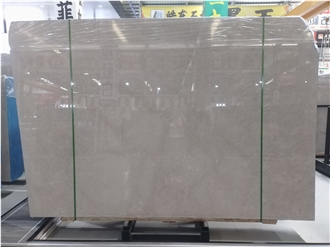
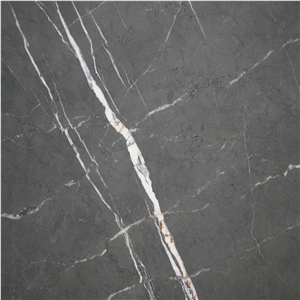
Milano Grey Marble is a distinctive natural stone quarried in China, characterized by its earthy gray background adorned with lighter hues and dark silver-gray wooden-textured veining. This marble showcases a unique blend of colors and patterns, creating a sophisticated and visually appealing aesthetic.

The predominant color of Milano Grey Marble is an earthy gray, providing a neutral and versatile base. Lighter hues interspersed throughout the background add depth and variation, contributing to the overall elegance of the stone. The dark silver-gray veining, resembling wooden textures, creates a striking contrast against the lighter backdrop, enhancing the marble's visual appeal.

Quarried in China, Milano Grey Marble is celebrated for its durability and versatile applications. Common uses include countertops, flooring, wall cladding, and decorative elements. The combination of the earthy gray tones and distinctive veining makes Milano Grey Marble a sought-after choice for those seeking a sophisticated and contemporary aesthetic in their architectural and design projects.

FAQ

Does water permanently stain Milano Grey Marble countertop?

Milano Grey Marble, like other types of marble, is susceptible to staining and damage from water and other substances. Marble is a porous natural stone, which means it can absorb liquids. If water is left on the surface for a prolonged period, it can lead to water spots or etching, which are dull areas caused by acidic substances. However, water itself is less likely to cause a permanent stain compared to other liquids like wine, oil, or acidic juices. To prevent water stains on your Milano Grey Marble countertop, its important to: 1. Wipe up water spills immediately with a soft, dry cloth. 2. Use coasters and trivets to protect the surface from watermarks. 3. Regularly seal the marble countertop with a quality sealant to reduce its porosity and resistance to staining. 4. Clean the surface with a pH-neutral cleaner designed for natural stone to avoid damaging the finish. If you notice any water spots, they can often be minimized or removed using a marble polishing powder or by consulting a professional stone care specialist.

Is Milano Grey Marble good for kitchen countertops?

Milano Grey Marble can be a suitable choice for kitchen countertops, but there are several factors to consider before making a decision: 1. **Aesthetics**: Milano Grey Marble offers a sophisticated and elegant look with its unique grey veining patterns. It can add a luxurious touch to any kitchen design. 2. **Durability**: Marble is generally softer than other countertop materials like granite or quartz, which makes it more prone to scratching and chipping. If you choose marble for your countertops, youll need to be mindful of using cutting boards and avoiding heavy impacts. 3. **Porosity**: Marble is a porous stone, meaning it can absorb liquids, leading to potential staining if spills are not cleaned up promptly. With Milano Grey Marble, regular sealing is recommended to help protect the surface from stains. 4. **Maintenance**: Marble requires more maintenance than some other materials. Routine sealing and careful cleaning with pH-neutral cleaners are necessary to maintain its appearance and protect it from etching caused by acidic substances. 5. **Heat Resistance**: Marble is heat-resistant, which is beneficial for a kitchen environment. However, its still advisable to use trivets or hot pads to protect the surface from thermal shock. Ultimately, the suitability of Milano Grey Marble for kitchen countertops depends on your priorities regarding aesthetics, maintenance, and durability. If youre willing to commit to the upkeep, Milano Grey Marble can be a beautiful and distinctive choice for your kitchen.

Is Milano Grey Marble backsplash the same thickness as countertop?

The thickness of Milano Grey Marble, or any marble for that matter, can vary depending on how it is fabricated for different applications such as countertops and backsplashes. Typically, countertops are thicker, usually ranging from 2 cm (3/4 inch) to 3 cm (1 1/4 inch). Backsplashes, on the other hand, are often made thinner, sometimes around 1 cm (3/8 inch), to be more suitable for wall applications. However, the exact thicknesses can vary based on design preferences, structural requirements, or custom orders. Its always best to consult with the fabricator or supplier to confirm the specific dimensions for both the backsplash and countertop if youre looking to match or coordinate them.

Can Milano Grey Marble be scratched with a knife?

Milano Grey Marble, like most marble types, is susceptible to scratching. Marble is a relatively soft stone, typically ranking around 3 to 5 on the Mohs scale of mineral hardness. Therefore, it can be scratched with a knife, which is usually harder (a typical steel knife blade might be around 5.5 on the Mohs scale). To avoid damaging your marble surfaces, its recommended to use cutting boards and avoid direct contact with sharp objects.

Do I need a special blade to cut 3cm thick Milano Grey Marble tile?

Cutting 3cm thick Milano Grey Marble tile requires a suitable blade to ensure a clean and efficient cut. Here are some recommendations: 1. **Diamond Blade**: A diamond blade is highly recommended for cutting marble. These blades are designed to handle hard materials like stone and tile and will provide a smooth cut. 2. **Wet Saw**: Using a wet saw equipped with a diamond blade is ideal because it helps keep the blade cool and reduces dust and heat, minimizing chipping. 3. **Blade Quality and Type**: Ensure that the diamond blade is specifically rated for marble. Continuous rim blades are better for marble because they provide smoother cuts compared to segmented blades which are more suited for harder materials like concrete. 4. **Blade Size**: Ensure the blade size matches your cutting tool, whether its a handheld saw or a larger tile saw. 5. **Speed and Technique**: When cutting, maintain a steady speed and avoid forcing the blade through the marble to prevent cracking or chipping. If you dont have the appropriate tools, it might be a good idea to have a professional do the cutting to avoid damaging the marble.

How can I clean the grout of antique finish Milano Grey Marble tiles?

Cleaning the grout of antique finish Milano Grey Marble tiles requires a gentle approach to avoid damaging the marble, which is relatively soft and porous. Here’s a step-by-step guide: 1. **Gather Materials:** - Soft-bristle brush or old toothbrush - pH-neutral stone cleaner specifically formulated for marble - Warm water - Microfiber cloths or sponges - Grout cleaner free from acidic or harsh chemicals (if needed) - Baking soda (optional for mild stains) 2. **Prepare the Area:** - Sweep or vacuum the floor to remove any loose dirt or debris that might scratch the marble surface during the cleaning process. 3. **Test in an Inconspicuous Area:** - Before applying any cleaner to a larger area, test it in a small, hidden spot to ensure it doesnt damage or discolor the marble or grout. 4. **Mix a Cleaning Solution:** - If you are using a pH-neutral stone cleaner, follow the manufacturers instructions for dilution with water. 5. **Apply the Cleaner:** - Dampen a soft-bristle brush or toothbrush with the pH-neutral stone cleaner. - Gently scrub the grout lines, being careful not to apply too much pressure that might scratch the marble itself. - For mild stains, you can use a paste made of baking soda and water applied to the grout lines and let it sit for about 15 minutes before gently scrubbing. 6. **Rinse:** - Wipe the area with a clean, damp microfiber cloth or sponge to remove any residue. - Rinse the area with warm water to ensure all cleaning agents are removed, as residual cleaner can damage the marble over time. 7. **Dry:** - Use a dry microfiber cloth to dry the area thoroughly to prevent water spots or streaks on the marble surface. 8. **Seal Grout (Optional):** - Consider applying a grout sealer once the area is completely dry to protect the grout in the future. Ensure the sealer is suitable for use with marble surfaces to avoid etching or staining. **Important Considerations:** - Avoid using acidic cleaners like vinegar or lemon juice, as they can etch and damage marble. - Do not use abrasive pads or steel wool, which can scratch the surface. - Always ensure that any product used is specifically safe for marble to prevent unwanted reactions. Regular maintenance and immediate cleanup of spills will help preserve the beauty and longevity of your antique finish Milano Grey Marble tiles.

Can China's Milano Grey Marble be used exterior applications in very humid climates?

Chinas Milano Grey Marble is a type of natural stone that is commonly used in interior applications such as countertops, flooring, and wall cladding. While it is technically possible to use Milano Grey Marble for exterior applications in very humid climates, it may not be the most suitable choice. Marble is a porous material, and high levels of humidity can cause it to absorb moisture, leading to deterioration and discoloration over time. In very humid climates, the constant exposure to moisture and rainfall can accelerate this process. Additionally, marble is sensitive to acids, which can be found in rainwater or certain cleaning products, further damaging its appearance. To ensure the longevity and durability of natural stone in humid climates, it is generally recommended to choose materials specifically designed for outdoor use, such as granite or porcelain. These materials are more resistant to moisture, stains, and weathering. If using Milano Grey Marble in an exterior application in a very humid climate is a necessity, it is crucial to apply a high-quality sealer specifically formulated for marble to reduce its porosity and protect it from moisture and staining. Regular maintenance and sealing schedules should also be maintained to preserve the marbles appearance and prevent potential damage. Ultimately, consulting with a local stone supplier or professional in your specific location is advised to determine the most suitable materials for exterior applications in very humid climates.

Can China's Milano Grey Marble be used in a office?

Yes, Chinas Milano Grey Marble can be used in an office setting. This marble has a sophisticated and elegant appearance with its grey color and subtle veining, which can add a touch of luxury to an office space. It can be used for flooring, wall cladding, countertops, or even decorative accents such as tabletops or reception desks. The choice of using this marble in an office ultimately depends on the desired aesthetic and design preferences of the office space.

Can China's Milano Grey Marble be used in landscaping?

Yes, Chinas Milano Grey Marble can be used in landscaping. Its elegant and durable characteristics make it suitable for various outdoor applications such as pathways, patios, outdoor flooring, garden borders, and even decorative walls or sculptures. However, it is important to note that marble is a natural stone and may require proper sealing and maintenance to withstand the outdoor elements.

Products & Prices

View More

Hot Grey Marble

New Marble

Post Your Request

The request includes:
  1. surface finished, size
  2. quantity required