Post Your Needs

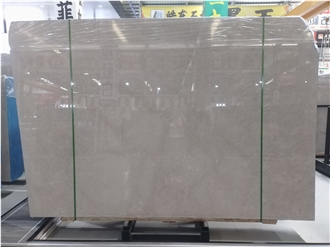
Milano Marble

White - Marble

Brazil

About

Item Details

Material Type:
Marble
Origin:
Brazil
Primary Color(s):
White
Recommended Usage:
Building stone, sinks, monuments, pool coping, sills, ornamental stone, interior, exterior, wall, floor , paving
Additional Names:
Milano White Marble, Milano Marble
Finished Surface:
Polished, Sawn Cut, Sanded, Rockfaced, Sandblasted, Tumbled

Description

Milano Marble is a kind of white marble quarried in Brazil. This stone is especially good for Building stone, sinks, monuments, pool coping, sills, ornamental stone, interior, exterior, wall, floor , paving and other design projects. It also called Milano White Marble . Milano Marble can be processed into Polished, Sawn Cut, Sanded, Rockfaced, Sandblasted, Tumbled and so on.

FAQ

Can Milano Marble kitchen countertop be scratched with a knife?

Yes, Milano Marble kitchen countertops can be scratched with a knife. Marble is a relatively soft and porous natural stone, and thus it is more susceptible to scratches, stains, and etching compared to harder materials like granite or quartz. Using a knife directly on a marble surface can leave visible marks and potentially damage the finish. Its advisable to use cutting boards or other protective surfaces to prevent scratching and maintain the marbles appearance.

How can I clean the grout of antique finish Milano Marble tiles?

Cleaning the grout of antique finish Milano marble tiles requires a delicate approach to avoid damaging the marble while effectively cleaning the grout. Here’s a step-by-step guide to help you: 1. **Materials Needed:** - Soft bristle brush or old toothbrush - pH-neutral stone cleaner or mild dish soap - Warm water - Microfiber cloths or soft towels - Grout sealer (optional, for post-cleaning) - Baking soda and hydrogen peroxide (for stubborn stains) 2. **Preparation:** - Remove any loose dirt or debris from the surface by sweeping or using a soft cloth. - Mix a solution of pH-neutral stone cleaner with warm water in accordance with the product instructions. Alternatively, use a few drops of mild dish soap in a bucket of warm water. 3. **Cleaning:** - Dip the soft bristle brush or toothbrush into the cleaning solution. - Gently scrub the grout lines, taking care not to scrub too aggressively to prevent scratching the marble. - Rinse the area frequently with clean water to prevent dirt and cleaner residue from settling back into the grout lines. 4. **Dealing with Stubborn Stains:** - For tougher stains, make a paste using baking soda and a small amount of water or hydrogen peroxide. - Apply the paste to the stained grout and let it sit for 5-10 minutes. - Gently scrub the grout with the soft brush, then rinse thoroughly with clean water. 5. **Rinsing and Drying:** - Use a microfiber cloth or soft towel to wipe down the area with clean water to remove any remaining cleaner or paste residue. - Ensure the area is thoroughly dried to prevent water spots on the marble. 6. **Sealing (Optional):** - If the grout was heavily stained or hasn’t been sealed in a while, consider applying a grout sealer to protect against future stains. - Make sure the grout is completely dry, then apply the sealer following the manufacturer’s instructions. 7. **Regular Maintenance:** - Regularly clean the grout and tiles with a pH-neutral stone cleaner to prevent the buildup of dirt and stains. - Promptly clean up any spills to avoid staining the grout or marble. By following these steps with gentle care, you’ll be able to clean the grout without damaging the antique finish of your Milano marble tiles.

Can sawn cut Milano Marble tiles be used for internal flooring?

Yes, sawn cut Milano Marble tiles can be used for internal flooring. They provide a sleek and sophisticated look to interior spaces and can enhance the aesthetic appeal of a room. However, its important to consider a few factors: 1. **Finish**: Sawn cut marble has a more natural, matte finish compared to polished marble. This might be desirable for a more understated or rustic look. 2. **Slip Resistance**: Due to their natural texture, sawn cut tiles might be more slip-resistant than polished tiles, which can be advantageous in areas that may get wet, such as bathrooms or kitchens. 3. **Sealing**: Marble is a porous material. To protect it from stains and moisture, its recommended to seal the tiles after installation and reseal them periodically. 4. **Maintenance**: Marble requires regular maintenance to keep it looking its best, including careful cleaning with pH-neutral cleaners and avoiding acidic substances like lemon juice or vinegar. 5. **Durability**: While marble is strong, its softer than some other natural stones like granite, and it can get scratched or chipped more easily. Consider the level of traffic in the area where it will be installed. If these factors align with your design goals and maintenance capacity, sawn cut Milano Marble tiles can be an excellent choice for internal flooring.

Can Milano Marble tiles be used for high - traffic internal commercial flooring?

Milano Marble tiles can be used for high-traffic internal commercial flooring, but there are several factors to consider before making a decision. 1. **Durability**: Marble is a natural stone that can be quite durable, but its softer compared to other stones like granite. In high-traffic commercial areas, the tiles may be prone to scratching, chipping, or wear over time. 2. **Maintenance**: Marble requires regular maintenance to preserve its appearance. It needs to be sealed properly to protect against staining and moisture penetration. Regular cleaning and polishing will also be necessary to maintain its aesthetic appeal. 3. **Cost**: Marble is generally more expensive than other flooring materials. Consider whether the cost fits within the project budget, both in terms of initial installation and ongoing maintenance. 4. **Aesthetic**: Marble offers a luxurious and elegant appearance, which can enhance the overall aesthetic of a commercial space. It’s essential to weigh this benefit against practical concerns like durability and maintenance. 5. **Slip Resistance**: Marble can become slippery when wet, which could be a safety concern in commercial settings. Its crucial to ensure that slip-resistant coatings are applied or to consider using rugs or mats in areas where moisture is prevalent. 6. **Alternatives**: For high-traffic areas, you might also want to consider alternative materials such as porcelain tiles, which can mimic the look of marble while offering greater durability and lower maintenance requirements. In summary, while Milano Marble tiles can be used for high-traffic commercial flooring, careful consideration of these factors is necessary to ensure that its the right choice for your specific needs. You might want to consult with a flooring expert or architect to explore all options and select the best material for your project.

How to remove scratches from Milano Marble polished finish floor tiles?

Removing scratches from Milano Marble polished floor tiles requires care and attention to avoid further damage. Here’s a step-by-step guide: 1. **Assessment**: First, determine the severity of the scratches. If they are superficial, surface-level scratches, you can likely handle them yourself. Deeper scratches might require professional assistance. 2. **Cleaning**: Thoroughly clean the area with a pH-neutral stone cleaner and a soft cloth. Remove all dirt and debris, as these can cause further scratches during the repair process. 3. **Buffing**: For light scratches, use a soft, damp microfiber cloth and a non-abrasive polishing compound or marble polishing powder. Apply the compound to the cloth, and gently rub it into the scratched area using small, circular motions. 4. **Polishing Compound**: Use a specifically designed marble polishing compound. Follow the instructions on the product for best results. Typically, this involves applying the compound to the scratch and buffing it out with a soft cloth or a buffer designed for marble. 5. **Rinsing and Drying**: After buffing out the scratches, rinse the area with clean water to remove any residue from the polishing compound. Dry the area thoroughly with a clean, dry cloth. 6. **Sealing**: Once the scratch has been polished out, consider applying a marble sealer to protect the surface and enhance its shine. Follow the product instructions for the correct application method. 7. **Professional Help**: For deep scratches or if youre uncomfortable handling it yourself, contact a professional stone restoration service. They have the expertise and tools required to treat deeper damage without compromising the integrity of the marble. 8. **Regular Maintenance**: To prevent future scratches, implement regular maintenance. Clean regularly with a damp mop and a pH-neutral cleaner, avoid dragging heavy objects across the floor, and use protective rugs or mats in high-traffic areas. Always test any product or method on a small, inconspicuous area first to ensure it doesnt damage or discolor the marble.

Are honed finish Milano Marble floor tiles easily stained?

Honed finish Milano Marble tiles—as with most honed marble surfaces—are generally more susceptible to staining than polished finishes. The honing process leaves the marble with a matte finish that lacks the protective, glossy layer that polished marble has. This makes it more porous and prone to absorbing liquids, leading to potential staining. To minimize staining, it is important to seal honed marble tiles regularly with a high-quality marble sealant. Additionally, promptly cleaning up spills, especially those from acidic substances like wine, coffee, or citrus juices, will help in preventing stains. Regular maintenance and using appropriate marble cleaners can also extend the longevity and appearance of honed marble floors.

Can Brazil's Milano Marble be used outdoors?

Yes, Brazils Milano Marble can be used outdoors. Marble is a natural stone that is durable and can withstand outdoor elements, including exposure to sunlight, rain, and temperature variations. However, it is important to note that marble is porous and can be prone to stains and weathering over time. To ensure the longevity of the marble and maintain its appearance, it is recommended to seal and regularly maintain the stone with appropriate products. Additionally, it is also advisable to consult with a professional stone specialist or architect to ensure proper installation and maintenance practices for outdoor use.

Can Brazil's Milano Marble be used exterior applications in very rainy climates?

Brazils Milano Marble is not typically recommended for exterior applications in very rainy climates. Marble is a natural stone that is susceptible to staining, etching, and weathering when exposed to excessive moisture and water. In rainy climates where there is constant exposure to rainwater and high humidity, the marble may absorb water, which can cause it to discolor, deteriorate, and develop cracks over time. It is advisable to choose a more suitable material, such as granite or porcelain, for exterior applications in very rainy climates.

What is the average water absorption of Brazil's Milano Marble?

There is no specific information available regarding the average water absorption of Brazils Milano Marble. The water absorption of marble can vary depending on the specific type of marble, the quality of the stone, and the location it is sourced from. It is recommended to refer to the specific supplier or manufacturer for accurate information on the water absorption of Brazils Milano Marble.

Can Brazil's Milano Marble be used in wall coverings?

Yes, Brazils Milano Marble can certainly be used in wall coverings. Its beautiful and luxurious appearance makes it a popular choice for wall cladding and decorative purposes. The unique patterns and colors of Milano Marble can add elegance and sophistication to any interior space. Whether its for a residential or commercial project, using Brazils Milano Marble as a wall covering can enhance the aesthetic appeal of the area.

Products & Prices

View More

Hot White Marble

New Marble

Post Your Request

The request includes:
  1. surface finished, size
  2. quantity required