Post Your Needs

Milano White Marble

Marble

Namibia

About

Item Details

Material Type:
Marble
Origin:
Namibia (Damara)
Recommended Usage:
Kitchen and bathroom countertops, wash basins, building stone, ornamental stone, stairs, interior, exterior wall and floor applications, mosaic, waterjet pattern, wall panels, table tops, balustrades, columns, wall and pool copings, pool pavers, sculptures, fireplaces, window sills
Additional Names:
Milan White Marble, Namib White Marble, Cary Ice Marble, Namibia Jade Marble, Namibia White Marble, Karibib White Marble, Royal White Marble, Rhino White Marble, in China Stone Market:米兰白玉(Mǐlán Báiyù), Milano White Marble
Finished Surface:
Polished,Bush Hammered,Tumbled,Brushed,Honed,Split,Machine Cut,Natural Surface,Sandblasted,Combed,Leathered,Water Jet,Filled,Chiseled,Pickling

Testing

Water Absorption:
0.11 – 0.22 %
Density:
2710 kg/m³
Flexural Strength:
12.5 – 15 MPa
Compressive Strength:
145 MPa

Description

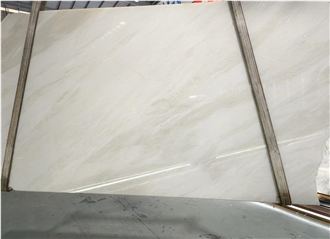
Namibia Milano White Marble, also commonly marketed as Bianco Namibia, Namibia White, or Rhino White, is a premium natural marble quarried in the Damara Region of Namibia. It is distinguished by its exceptionally clean white to creamy-white background and a dense, fine crystalline texture, complemented by delicate warm beige and occasional soft grey veining.

Its tightly interlocked crystal structure gives the stone greater hardness, density, and lower porosity than many conventional white marbles. These characteristics contribute to its excellent durability and make it suitable for a wide range of architectural and interior applications. Because of its strength and marble-like appearance, it is sometimes incorrectly searched for or marketed as Namibian White Quartzite, although it is classified as a natural marble.

Appearance & Texture

  • Base Color: Soft warm off-white to creamy beige with delicate light grey or beige veining, giving a tranquil and elegant look.
  • Veining Pattern: Subtle, flowing wisps rather than dramatic thick veins, with occasional light beige or warm tones.
  • Texture: Fine-grained crystalline structure due to natural recrystallization; when polished, it has a smooth, reflective surface that enhances luminosity.

Physical & Mechanical Properties

  • Density (kg/m³) : 2710
  • Water Absorption (%) : 0.11 – 0.22
  • Compressive Strength (MPa) : 145
  • Flexural Strength (MPa) : 12.5 – 15
  • Mohs Hardness : 3 – 4
  • Glossiness (Polish) : 95 – 105

Marble’s crystalline makeup and relatively low hardness make it easy to cut, shape, and polish but also more susceptible to scratching and etching than harder stones like granite.

Chemical & Mineral Composition (Approx. % by Weight)

  • Calcite (CaCO3): 90+
  • Dolomite (CaMg(CO3)2): Small amounts
  • Silica (SiO2): Trace
  • Iron Oxides / Impurities: Trace

Due to its calcite base, marble can react under acidic conditions causing surface dulling but not staining.

Common Uses

  • Interior flooring for luxury residential and commercial projects
  • Wall cladding and feature walls
  • Countertops and vanity tops
  • Bathroom and shower surrounds
  • Stair treads, columns, fireplace surrounds

Maintenance

  • Sealing recommended upon installation and periodically to reduce stains
  • Use pH-neutral stone cleaner; avoid acidic or abrasive cleaners
  • Daily care includes soft cloth wiping and prompt cleanup of spills

FAQ

Can Milano White Marble kitchen countertop be scratched with a knife?

Milano White Marble, like other types of marble, is relatively soft compared to materials like granite or quartz. Because of this softness, marble countertops can be scratched by sharp objects such as knives. It is advisable to use cutting boards when working with knives on any marble surface to prevent scratches and to maintain the appearance of the countertop. Additionally, using cutting boards can help protect the knives from becoming dull.

How can I clean the grout of antique finish Milano White Marble tiles?

Cleaning the grout of antique finish Milano White Marble tiles requires a bit of care to maintain the beauty of the marble while effectively cleaning the grout. Heres a step-by-step guide: 1. **Gather Materials:** - Soft bristle brush or toothbrush - pH-neutral cleaner or specially formulated marble cleaner - Baking soda - Water - Spray bottle - Clean microfiber cloths or mop - Grout sealer (optional, for sealing after cleaning) 2. **Prepare the Area:** - Clear the area of any items or furniture. - Sweep or vacuum the floor to remove loose dirt and debris. 3. **Make a Cleaning Paste:** - Mix baking soda with a small amount of water to create a paste. Baking soda is mildly abrasive yet gentle on marble. 4. **Apply the Paste:** - Apply the baking soda paste directly onto the grout lines. 5. **Scrub the Grout:** - Using a soft bristle brush or toothbrush, gently scrub the grout. Be careful not to scrub the marble surface aggressively, as marble can scratch easily. 6. **Rinse:** - Wipe down the area with a damp microfiber cloth or mop to remove the baking soda paste. Ensure no residue is left on the marble, as it can cause dullness over time. 7. **Use pH-neutral Cleaner:** - Spray a pH-neutral cleaner or a marble-specific cleaner onto the grout lines. Avoid acidic cleaners like vinegar or lemon juice, as they can etch marble. 8. **Final Rinse:** - Wipe the area with clean water and a microfiber cloth to remove any remaining cleaner and residues. 9. **Dry Completely:** - Ensure the area is thoroughly dried using a clean, dry microfiber cloth to prevent water spots or any moisture damage. 10. **Seal the Grout (Optional):** - Once the grout is completely dry, consider applying a grout sealer to help protect against future stains and make cleaning easier. By following these steps, you can effectively clean the grout of your antique finish Milano White Marble tiles without damaging the marble. Regular maintenance and cleaning will help preserve both the grout and the marble over time.

Can sawn cut Milano White Marble tiles be used for internal flooring?

Yes, sawn cut Milano White Marble tiles can be used for internal flooring. Marble is a popular choice for interior floors due to its elegance and durability. However, its important to consider a few factors: 1. **Finish**: Sawn cut marble has a rougher texture compared to polished or honed finishes. This can affect the look and feel of the flooring. It might be more suitable for areas where slip resistance is a consideration. 2. **Sealing**: Marble is a porous stone, so its crucial to seal it properly to protect against stains and moisture. 3. **Maintenance**: Marble requires regular cleaning and maintenance to keep its appearance. Avoid acidic or abrasive cleaners. 4. **Wear and Tear**: Marble can scratch and etch over time, especially in high-traffic areas. Consider whether this aligns with your desired aesthetic and maintenance capacity. 5. **Subfloor Preparation**: Ensure that the subfloor is properly prepared to support the marble tiles, as they can be heavy. By keeping these points in mind, you can effectively use Milano White Marble for your internal flooring needs.

Can Milano White Marble tiles be used for high - traffic internal commercial flooring?

Milano White Marble tiles can be used for high-traffic internal commercial flooring, but there are several factors to consider before making a decision: 1. **Durability**: Marble is relatively soft compared to other natural stones like granite. This means it can be more prone to scratches, etching, and wear, especially in high-traffic areas. Ensure the marble is specifically rated for flooring use in such environments. 2. **Finish**: A honed finish might be preferable over a polished one for high-traffic areas, as it is less likely to show scratches and scuff marks. 3. **Maintenance**: Marble requires regular maintenance, including sealing to protect against stains and moisture. High-traffic areas will need more frequent cleaning and resealing. 4. **Slip Resistance**: Make sure the tiles have a slip-resistant surface to reduce the risk of accidents, especially if the floor can get wet. 5. **Aesthetic Longevity**: Marbles appearance is one of its primary appeals, but it can become dull over time without proper maintenance. Be prepared for periodic polishing to maintain its aesthetic appeal. 6. **Cost**: Marble can be expensive initially and may incur additional costs over time due to maintenance. Consider consulting with a flooring specialist to ensure Milano White Marble is the best choice for your specific commercial space, or explore alternatives like porcelain tiles that mimic the look of marble with greater durability and less maintenance.

How to remove scratches from Milano White Marble polished finish floor tiles?

Removing scratches from Milano White Marble polished finish floor tiles involves a delicate process due to the stones sensitivity. Here are the steps you can follow: 1. **Assess the Damage**: Determine the depth of the scratches. Superficial scratches can usually be addressed more easily than deep ones. 2. **Clean the Surface**: Before starting any repair, clean the marble thoroughly. Use a mild, pH-neutral detergent mixed with water and a soft cloth or a mop. Avoid harsh chemicals. 3. **Polishing Powder for Light Scratches**: - Purchase a marble polishing powder which is specifically designed for polished marble surfaces. - Dampen the area with water. - Sprinkle the polishing powder over the scratched area. - Using a soft, damp cloth, gently rub the powder over the scratch in a circular motion. Be patient and continue polishing until the scratch is no longer visible. - Rinse with clean water and dry the surface with a soft cloth. 4. **Use a Marble Etch Remover**: For slightly deeper scratches: - Obtain a marble etch remover, which is often available in paste form. - Apply the paste to the scratched area following the product instructions. - Buff the area gently with a soft cloth or buffer pad until the scratch diminishes. - Wipe with a damp cloth to remove residue and dry the area. 5. **Sanding for Deeper Scratches**: - Use very fine-grit sandpaper (e.g., 1000-grit) or a specific marble polishing pad. - Gently sand the scratched area in a circular motion. Be careful not to overdo it as this could cause more damage. - Once the scratch is no longer visible, follow up with polishing powder to restore the shine. 6. **Professional Polishing**: For extensive damage or deep scratches, consider hiring a professional who can use specialized equipment to grind and polish the marble surface. 7. **Sealing and Maintenance**: Once the scratches are addressed, reseal your marble floor to protect against future damage. Also, regularly clean and maintain your marble with appropriate products to prevent scratches. Always test any product or method on a small, inconspicuous area first to ensure it does not damage the marble surface.

Are honed finish Milano White Marble floor tiles easily stained?

Honed finish Milano White Marble floor tiles, like other marble surfaces, can be susceptible to staining. The honed finish has a matte appearance, which can make it slightly more porous and prone to absorbing spills compared to polished marble. Marble is a natural stone containing calcium carbonate, making it vulnerable to acidic substances such as citrus, wine, and vinegar, which can cause etching or staining. To minimize the risk of staining, its important to: 1. Seal the tiles: Applying a high-quality penetrating sealer can help protect the marble from absorbing spills and stains. Its advisable to reseal periodically, following the manufacturers recommendations. 2. Promptly clean spills: Quickly wipe up any spills to prevent them from penetrating the surface and causing stains. 3. Use appropriate cleaners: Avoid acidic or abrasive cleaners, which can damage the marble. Instead, use pH-neutral cleaners specifically formulated for natural stone. 4. Use rugs or mats: Placing these in high-traffic areas can help protect the marble from dirt and potential damage. By taking these precautions, you can help maintain the beauty and integrity of your honed Milano White Marble floor tiles.

Products & Prices

Hot Marble

New Marble

Post Your Request

The request includes:
  1. surface finished, size
  2. quantity required