Post Your Needs

Milk White Marble

White - Marble

Viet Nam

About

Item Details

Material Type:
Marble
Origin:
Viet Nam (Nghệ An)
Primary Color(s):
White
Recommended Usage:
Kitchen and bathroom countertops, sinks, wash basins, monuments, building stone, ornamental stone, stairs, interior, exterior wall and floor applications, mosaic, waterjet pattern, wall panels, table tops, balustrades, columns, window sills
Additional Names:
Crystal White Marble, Vietnam White Marble, Absolute White Marble, Nghe An White Marble, Crystal White Viet Nam Marble, Pure White Marble, Milky White Marble, in China stone market:乳白色大理石(Rǔbáisè dàlǐshí), Milk White Marble
Finished Surface:
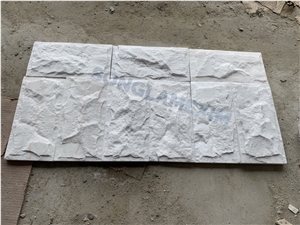
Polished,Bush Hammered,Tumbled,Brushed,Honed,Split,Machine Cut,Natural Surface,Sandblasted,Combed,Water Jet,Filled,Chiseled,Pickling

Testing

Water Absorption:
0.18 %
Density:
2780 kg/m3
Compressive Strength:
43.4 MPa

Description

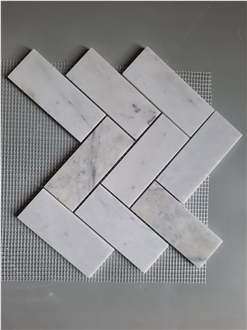
Milk White Marble is a pristine and elegant natural stone known for its pure white appearance and crystalline texture. It is a type of marble quarried in the Nghe An province of Vietnam. Here's a description of Milk White Marble:

Color and Texture:

Pure White: Milk White Marble is celebrated for its brilliant and consistent pure white color. This clean and timeless appearance adds a sense of brightness and sophistication to any space where it is used.

Crystalline Texture: The marble features a crystalline texture that can reflect light, creating a subtle, luminous effect. Its fine grain and smooth surface enhance the stone's visual appeal.

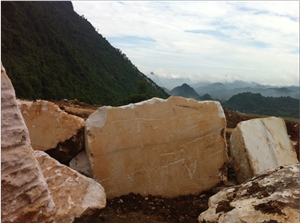
Quarry Location: Milk White Marble is extracted from quarries located in Ngh? An, Vietnam. This region is renowned for its rich natural stone resources and is a source of various exquisite marble varieties.

Applications:Milk White Marble is a versatile material used in a wide range of interior and exterior applications. It is often employed in the creation of slabs, tiles, countertops, and various architectural and design elements. Its pure white color provides a classic and timeless aesthetic that can complement a variety of decorative styles.

Versatility:The clean and unadorned beauty of Milk White Marble makes it a favored choice for both traditional and contemporary interior design. Its ability to brighten spaces and create a sense of elegance makes it suitable for residential and commercial projects alike.

Uniqueness:Each slab of Milk White Marble is unique, as the patterns and veining may vary slightly from one piece to another. This natural variation ensures that installations using this marble have a distinct character and individuality.

In summary, Milk White Marble is a pristine and versatile natural stone with a crystalline texture and pure white color. Quarried in Nghe An, Vietnam, it is cherished for its timeless elegance and is used in various architectural and design applications. Its clean and bright appearance allows it to add a touch of sophistication to a wide range of projects, making it a popular choice in the world of natural stone.

FAQ

Does Milk White Marble countertop stain easily?

Milk White Marble countertops are prone to staining since they are made of natural stone. It is important to seal the countertops regularly to protect them from potential staining. Spills should be wiped up immediately to prevent any permanent damage. Additionally, using coasters and trivets under glasses and hot dishes can help prevent stains and damage to the surface.

Is glossy polished Milk White Marble good for floors?

Glossy polished Milk White Marble can be a beautiful and elegant choice for flooring due to its sleek and luxurious appearance. However, it is important to consider the maintenance and care required for this type of marble, as the high shine can show scratches, wear, and dirt more easily than a honed or matte finish. Additionally, glossy polished marble can be more slippery when wet, so it may not be the best choice for high-traffic areas or households with young children or elderly individuals. Overall, while Milk White Marble can be a stunning option for flooring, it is important to weigh the pros and cons before making a decision.

Will Milk White Marble countertop crack with heat?

Milk White Marble is a natural stone material that is susceptible to cracking under extreme heat. While marble has a high heat resistance compared to other countertop materials, it is still possible for it to crack if exposed to sudden, extreme temperatures. It is recommended to use heat-resistant trivets or pot holders to protect the surface of marble countertops from direct contact with hot pots and pans. Additionally, avoid placing any hot items directly on the countertop to prevent the risk of cracking.

How thick should a Milk White Marble stair step be?

The thickness of a Milk White Marble stair step can vary depending on the design and the intended use. However, a typical thickness for a stair step made of Milk White Marble would be around 1.25 inches to 1.5 inches (3.2 cm to 3.8 cm). This thickness provides a good balance between durability and aesthetic appeal for a marble stair step.

Is vinegar ok to use on Milk White Marble countertop?

Vinegar is not recommended for use on marble countertops, as it is acidic and can cause etching or damage to the surface of the stone. It is best to use a mild soap and water solution or a specially formulated marble cleaner to clean and maintain your milk white marble countertop.

How can I tell if white marble is high quality?

There are several factors that can help determine the quality of white marble. Here are some key aspects to consider: 1. Color consistency: High-quality white marble tends to have a consistent, pure white color without any visible patches or discoloration. Check if the surface appears evenly white both in natural and artificial light. 2. Veining patterns: Examine the veins present in the marble. Generally, high-quality white marble should have elegant and expressive veining patterns. The veins should be well-defined, evenly distributed, and preferably in a desirable pattern that enhances the overall aesthetics. 3. Finish and polish: Assess the finish and polish of the marble surface. High-quality marble should have a smooth, reflective, and glossy finish. It should be free from any scratches, dullness, or unevenness. The reflection should appear clear and without any distortions. 4. Density and durability: High-density and durable white marble is considered of superior quality. You can tap on the surface to check if it produces a melodious and clear sound. Inferior marble may produce a dull or flat sound, indicating lower density and potential quality issues. 5. Transparency: Hold a small piece of marble against a light source. The higher the transparency, the better the quality. High-quality marble will allow more light to pass through, giving it a translucent appearance. 6. Absorption and staining: Marble should have low water absorption to minimize staining risks. Consider performing a water absorption test by placing a few droplets of water on the marble surface for a few minutes. If the water absorbs quickly or leaves noticeable dark spots, it indicates lower quality marble. 7. Supplier reputation: Research and choose a reputable supplier or dealer for purchasing white marble. Trusted and established sources are more likely to offer high-quality and genuine products. It is important to note that these are general guidelines, and the final decision on marble quality should be based on personal preference and the specific context in which the marble will be used.

Can Viet Nam's Milk White Marble be used exterior applications in cold climates?

Yes, Vietnams Milk White Marble can be used for exterior applications in cold climates. Marble is a naturally occurring stone that is formed through the crystallization of limestone under extreme heat and pressure. It is known for its durability and resistance to harsh weather conditions, making it suitable for outdoor use. Vietnams Milk White Marble, in particular, has a high compression strength and low water absorption rate, which enhances its resistance to freeze-thaw cycles that are common in cold climates. This means that it can withstand temperature fluctuations without cracking or deteriorating. However, it is important to note that proper installation and maintenance are crucial to ensure the longevity of the marble. Adequate sealing and periodic cleaning will help protect the surface from staining, discoloration, and other potential damages caused by weathering. Overall, Vietnams Milk White Marble can indeed be used for exterior applications in cold climates, but it is advisable to consult with a professional stone installer to ensure proper installation and maintenance guidelines are followed.

Can Viet Nam's Milk White Marble be used in landscaping?

Yes, Vietnams Milk White Marble can be used in landscaping. Its elegant and pure white color makes it a popular choice for various landscaping applications. It can be used to create beautiful and durable pathways, driveways, patios, garden walls, and decorative elements in outdoor spaces. The natural beauty and veining of the marble can add a unique touch to any landscaping design. Additionally, Vietnams Milk White Marble is known for its resistance to weathering and its ability to withstand the test of time, making it a reliable choice for landscaping projects.

Products & Prices

View More

Hot White Marble

New Marble

Post Your Request

The request includes:
  1. surface finished, size
  2. quantity required