Post Your Needs

Minerva Marble

Marble

Turkey

About

Item Details

Material Type:
Marble
Origin:
Turkey
Recommended Usage:
Kitchen and bathroom countertops, wash basins, building stone, ornamental stone, stairs, interior, exterior wall and floor applications, mosaic, waterjet pattern, wall panels, table tops, balustrades, columns, wall and pool copings, pool pavers, sculptures, fireplaces
Additional Names:
Galaxy Grey Marble, Grey Galaxy Marble, Minerva Grey Marble, Minerva Gray Marble, in China stone market:星汉灰(Xīng Hàn Huī)
Finished Surface:
Polished,Bush Hammered,Tumbled,Brushed,Honed,Split,Machine Cut,Natural Surface,Sandblasted,Combed,Leathered,Water Jet,Filled,Chiseled,Pickling

Testing

Water Absorption:
~0.15–0.25%
Density:
2700–2720 Kg/m³
Flexural Strength:
14–16 MPa
Compressive Strength:
110–130 MPa

Description

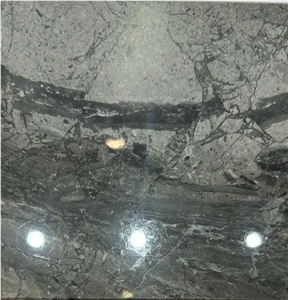
Minerva Marble is a premium natural stone quarried in Turkey, showcasing a captivating interplay of varying shades of grey, accented with distinctive white and dark veining and unique natural patterns. Its luxurious smooth texture and rich, intricate visual depth make it a versatile and elegant choice for many applications.

Texture & Pattern:

Smooth surface with flowing veins in white, dark grey, and black. Unique natural patterns create a sophisticated, dynamic aesthetic suitable for high-end interiors.

Test Results:

  • Water Absorption: ~0.15–0.25%
  • Density: ~2.70–2.72 g/cm³
  • Compressive Strength: ~110–130 MPa
  • Flexural Strength: ~14–16 MPa
  • Abrasion Resistance: ~22–25 mm
  • Hardness: Mohs hardness 3–4

Chemical & Mineral Composition (% by weight):

  • CaCO₃: ~95–98%
  • MgCO₃: ~1–2%
  • Other trace minerals: ~1–3% (including silicates and oxides)

Usage:

Ideal for countertops, flooring, wall cladding, bathroom vanities, decorative panels, fireplace surrounds, and feature walls in both residential and commercial projects.

Maintenance:

Clean regularly with mild, pH-neutral detergents. Periodic sealing recommended to maintain stain and etch resistance.

FAQ

Does red wine stain the surface of a Minerva Marble kitchen countertop?

Yes, red wine can potentially stain the surface of a Minerva Marble kitchen countertop. Marble is a porous natural stone, which means it can absorb liquids and be susceptible to staining from substances like red wine if not promptly wiped up. Minerva Marble should be sealed properly and the sealant maintained regularly to reduce the risk of staining. In the event of a spill, its best to clean it up immediately to minimize any possible damage. Using a pH-neutral cleaner and avoiding acidic or abrasive cleaning products can also help maintain the condition of the marble.

Is Minerva Marble mosaic flooring slippery for bathroom use?

Minerva Marble mosaic flooring can be both an aesthetically pleasing and a practical choice for a bathroom. However, whether or not it is slippery can depend on several factors, such as the finish of the marble and the specific conditions in your bathroom. 1. **Finish:** Polished marble tends to be more slippery than honed or tumbled finishes. For a bathroom, especially where its likely to get wet, a honed or textured finish is generally recommended to reduce slipperiness. 2. **Tile Size and Grout Lines:** Mosaic tiles, which are typically smaller and involve many grout lines, can offer better traction than large-format tiles. The grout lines can provide grip, reducing the overall slipperiness of the floor. 3. **Sealant:** Applying a sealant can sometimes affect the slip resistance of marble, although its essential for protecting the stone from stains and water damage. Some sealants are formulated to preserve or enhance slip resistance. 4. **Maintenance:** Regular cleaning and maintenance are crucial, as soap residues, oils, or other cleaning agents can create a slippery surface. 5. **Environmental Conditions:** The presence of water, either from a shower or splashes, can increase slipperiness. Its important to consider using bath mats in areas prone to getting wet for added safety. If youre considering using Minerva Marble mosaic flooring in a bathroom, it may be beneficial to choose a finish that enhances traction and to ensure proper installation and maintenance to minimize slipperiness. Additionally, checking with the manufacturer or a professional installer for specific slip resistance ratings and recommendations can help in making the best decision for your safety and needs.

How can I give Minerva Marble tiles an antique look?

To give Minerva Marble tiles an antique look, you can use a combination of techniques to create a worn, aged appearance that mimics natural aging. Here are some steps you can follow: 1. **Clean the Surface**: Start by thoroughly cleaning the marble tiles to remove any dirt, grease, or sealants. Use a mild detergent and water, then rinse and let them dry completely. 2. **Acid Washing (Optional)**: If the marble can handle it and if youre comfortable doing so, consider using a mild acid wash to etch the surface. A solution of muriatic acid diluted with water (5-10% acid) can be applied using a brush or sponge. Wear appropriate protective gear, such as gloves and goggles, and ensure good ventilation. Rinse thoroughly with water afterward, as this process can damage some marble types. 3. **Sanding**: Use a fine-grit sandpaper or a sanding pad to gently sand the surface. This will dull the shiny surface of the marble and create an uneven texture, enhancing the antique look. Be sure to sand in circular motions and apply even pressure. 4. **Staining**: Apply a stone stain to darken the marble and give it a more aged appearance. Test the stain on a small, inconspicuous area first to ensure it gives the desired effect. Use a cloth to rub the stain onto the surface and let it penetrate for the manufacturers recommended time before wiping off the excess. 5. **Tea or Coffee Wash**: For a more natural approach, you can use a strong tea or coffee solution to stain the marble. Apply it with a cloth and allow it to soak into the surface before wiping it off. This method can add subtle hints of color that mimic age. 6. **Waxing**: Apply a stone wax or paste wax to the tiles. This will provide a slight sheen and help protect the surface. Buff the wax using a cloth or buffer for a more authentic look. 7. **Seal the Marble**: To protect your work and ensure longevity, apply a stone sealer suitable for marble. This will help maintain the finish and prevent further staining. 8. **Aging the Grout (Optional)**: If the grout lines are too clean or stark compared to the newly antiqued tiles, consider staining them with a grout stain or applying a thin layer of the same tea or coffee solution used on the tiles. Make sure to always test any chemicals or techniques on a small, hidden section of the tiles to ensure they react well and produce the desired effect. With these steps, your Minerva Marble tiles should have a beautiful, antique finish.

How can I restore the appearance of Minerva Marble floors to make them look new again?

Restoring the appearance of Minerva Marble floors involves several steps to clean, polish, and protect the surfaces. Heres a detailed guide on how you can achieve this: 1. **Initial Cleaning:** - **Remove Surface Dust and Debris:** Sweep or vacuum the floor to remove loose dirt and dust. Use a vacuum with a soft brush attachment to prevent scratching the marble. - **Deep Clean:** Use a pH-neutral cleanser specifically designed for marble. Dilute as instructed and mop the floor, ensuring it’s wrung out well to avoid over-wetting. 2. **Stain Removal:** - **Identify Stains:** Determine the type of stain (oil-based, organic, rust, etc.) to choose the appropriate treatment. - **Poultice Application:** For stubborn stains, apply a poultice made of a suitable powder (like diatomaceous earth) and a liquid (such as hydrogen peroxide or acetone) over the stain. Cover with plastic wrap and let it sit for 24-48 hours before removing and rinsing. 3. **Polishing:** - **Wet Sanding (if needed):** For scratched or dull surfaces, consider wet sanding with fine-grit sandpaper. Start with a coarser grit and progress to finer grits. This process should be done with care to avoid damage. - **Polishing Compound:** Apply a marble polishing compound or powder using a low-speed floor polisher with a soft white pad. Work in small sections and buff the floor to a shine. 4. **Sealing:** - **Choose the Right Sealer:** Select a penetrating sealer suitable for marble, and ensure its non-yellowing and oil- and water-repellent. - **Application:** Apply the sealer with a clean cloth or roller, ensuring even coverage. Allow it to penetrate for the time recommended by the manufacturer and then buff off any excess. 5. **Routine Maintenance:** - **Regular Cleaning:** Use a pH-neutral cleaner regularly and avoid acidic or abrasive substances on marble surfaces. - **Protective Measures:** Place mats at entry points to reduce abrasive dirt and grit and use felt pads under furniture legs. 6. **Professional Help:** - For extensive restoration or valuable marble, consider hiring professionals. They have the equipment and expertise to handle more complex tasks like honing or grinding for severe damage. By following these steps carefully, you can restore your Minerva Marble floors and maintain their luxurious appearance over time. Always conduct a patch test in a discreet area before applying any new product to the entire floor.

Can Minerva Marble be used for stair steps?

Yes, Minerva Marble can be used for stair steps. Its durable and aesthetically pleasing nature makes it a popular choice for various architectural applications, including staircases. However, there are several factors you should consider when using Minerva Marble for stairs: 1. **Durability and Maintenance**: Marble is relatively soft compared to other natural stones like granite, making it prone to scratching and wear over time. Consider the amount of foot traffic the stairs will endure and if regular maintenance is feasible for your situation. 2. **Finish and Slip Resistance**: Polished marble can be slippery, which could be hazardous for stairs. Consider using a honed or textured finish to improve slip resistance, or apply a non-slip treatment to the surface. 3. **Sealing**: Marble is porous and can absorb stains easily. Make sure to properly seal the marble and reapply the sealer periodically to help protect it from stains and moisture. 4. **Design and Aesthetics**: Minerva Marble is known for its unique veining and color variations. Ensure that the marble chosen complements your existing decor and desired style. 5. **Budget**: High-quality marble can be expensive, and installation costs should also be considered. Ensure that this investment aligns with your budget. 6. **Professional Installation**: Installing marble can be complex, so its advisable to work with experienced professionals to ensure a secure and aesthetically pleasing installation. By taking these factors into account, you can effectively use Minerva Marble to create beautiful and functional stair steps.

Do fruit juices stain the surface of Minerva Marble kitchen countertop?

Minerva Marble is a brand of solid surface countertops that mimic the look of natural stone. While they are more resistant to staining than natural marble, they are not entirely stain-proof. Fruit juices, particularly those that are acidic or have deep colors (like grape or cranberry juice), can potentially stain if left on the surface for a prolonged period. To minimize the risk of staining, its important to wipe up spills as soon as they occur and to clean the countertop regularly with a mild detergent and water. For tougher stains, you can use a non-abrasive cleaner or a mixture of baking soda and water. Avoid using harsh chemicals, abrasive pads, or strong acidic cleaners, as these can damage the surface. Its always a good idea to consult the manufacturers care and maintenance guidelines specific to your countertop to ensure youre using the best cleaning methods for your particular product.

What type of abrasive should be used to polish the Minerva Marble surface?

Polishing Minerva marble, or any marble surface, requires careful selection of abrasives to achieve a smooth and glossy finish without damaging the stone. For polishing Minerva marble, you should use: 1. **Diamond Abrasives**: Start with diamond abrasives, usually in the form of pads or discs. They come in varying grits, from coarse to fine. You typically begin with a coarse grit (around 50-100) to remove any surface imperfections and then progress to finer grits (up to 3000 or beyond) for polishing. 2. **Polishing Compounds**: Once the surface is adequately smooth, you can use a polishing compound specifically designed for marble. These compounds often contain tin oxide or aluminum oxide and are used with a buffing pad to bring out the stones natural shine. 3. **Polishing Powder**: As an alternative to compounds, marble polishing powders can be used. These are worked into the surface with a damp cloth or polishing pad to give the marble a high gloss. 4. **Marble Polishing Pads**: Designed to be used with grinders or floor polishing machines, these pads are often impregnated with diamond particles and come in different grits for each stage of the polishing process. Always make sure to test a small, inconspicuous area first to ensure that the abrasive does not negatively affect the marble. Additionally, its crucial to use the right techniques, equipment, and safety measures to protect both the stone and yourself during the polishing process.

Products & Prices

Hot Marble

New Marble

Post Your Request

The request includes:
  1. surface finished, size
  2. quantity required