Post Your Needs

Modern White Marble

Marble

China

About

Item Details

Material Type:
Marble
Origin:
China
Recommended Usage:
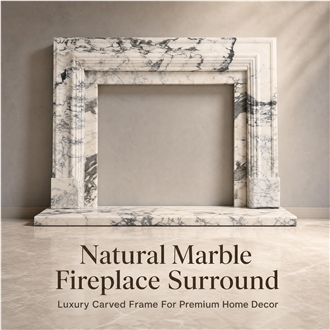
Kitchen and bathroom countertops, monuments, building stone, ornamental stone, building stone, stairs, interior wall and floor applications, mosaic, waterjet pattern, wall panels, table tops, columns, fireplace surround
Additional Names:
White Jade Marble, Jade White Marble, in China stone market:摩登白(Módēng bái)
Finished Surface:
Polished,Bush Hammered,Tumbled,Brushed,Honed,Split,Machine Cut,Natural Surface,Sandblasted,Combed,Leathered,Water Jet,Filled,Chiseled,Pickling

Testing

Water Absorption:
0.15 – 0.35 % by weight
Density:
2680 – 2750 Kg/m³
Flexural Strength:
12 – 16 MPa
Compressive Strength:
110 – 130 MPa

Description

Modern White Marble – Technical & Aesthetic Description

Origin Quarried in China, Modern White Marble is a high-quality natural stone admired for its sophisticated appearance and versatile applications.

Color, Texture, and Pattern

Color: Predominantly a crystallized white background, presenting a clean and luminous surface.

Veining Pattern: Features dark to light gray stains and clouds, naturally dispersed in elegant, soft, and irregular forms.

Texture: Fine- to medium-grained crystalline structure, providing a slightly translucent depth under polished surfaces.

Visual Appeal: The combination of white clarity and dynamic gray shades gives this marble a modern, serene, and luxurious aesthetic—ideal for both minimalistic and bold interior design concepts.

Physical & Mechanical Properties

(Typical test results based on average values for this marble type)

  • Bulk Density : 2.68 – 2.75 g/cm³
  • Water Absorption : 0.15 – 0.35%
  • Porosity : 0.3 – 1.0%
  • Compressive Strength : 110 – 130 MPa
  • Flexural Strength : 12 – 16 MPa
  • Mohs Hardness : 3 – 4
  • Slip Resistance (Dry) : 0.65 – 0.75 (COF)
  • Slip Resistance (Wet) : 0.45 – 0.55 (COF)
  • Abrasion Resistance : Medium
  • Freeze-Thaw Resistance : Moderate (not recommended for harsh climates without treatment)

Chemical Composition

(Typical values by weight)

  • Calcium Carbonate (CaCO₃) : 95 – 98%
  • Magnesium Carbonate (MgCO₃) : 0.5 – 1.5%
  • Silica (SiO₂) : 0.3 – 1.0%
  • Iron Oxide (Fe₂O₃) : < 0.2%
  • Alumina (Al₂O₃) : < 0.2%
  • Others (Organic/Insolubles) : < 0.5%

Usage Applications

  • Interior Flooring and Wall Cladding
  • Bathroom Walls and Vanity Tops
  • Kitchen Countertops (with sealing)
  • Hotel Lobbies and Reception Desks
  • Tabletops and Fireplace Surrounds
  • Monuments and Decorative Sculptures
  • Note: While suitable for countertops, sealing is recommended due to moderate porosity.

Surface Finish Options

  • Polished: High-gloss finish enhancing depth and color contrast
  • Honed: Smooth, matte finish suitable for modern and minimalist looks
  • Brushed: Slightly textured, aged appearance
  • Leathered: Soft sheen with subtle texture
  • Sandblasted: Uniformly roughened for slip resistance
  • Tumbled: Soft edges and antique surface effect

Cutting Sizes Available (cm)

Standard Tile Sizes:

  • 30 x 60
  • 60 x 60
  • 60 x 120

Slabs:

  • 180–300 cm (length) x 120–200 cm (height)

Custom sizes available upon request for countertops, vanities, stairs, and decorative panels.

Maintenance Guidelines

  • Regular Cleaning: Mild pH-neutral stone cleaner or warm water
  • Avoid: Acidic or abrasive cleaners (can etch or dull the surface)
  • Sealing: Recommended every 12–24 months, especially for wet or high-traffic areas
  • Polishing: Re-polish when surface loses shine; honed and leathered finishes require less upkeep

Conclusion

Modern White Marble is a premium Chinese marble known for its luminous white base and dramatic gray clouding, offering designers a versatile and luxurious material suitable for a wide range of interior applications. Its physical strength and aesthetic appeal make it a favorite for both residential and commercial spaces.

FAQ

How to make Modern White Marble stairs less slippery?

Making modern white marble stairs less slippery involves a combination of preventative measures and treatments that enhance the surfaces traction. Here are some effective approaches: 1. **Anti-Slip Treatments:** - **Anti-Slip Coatings:** Apply a clear anti-slip coating specifically designed for stone surfaces. These coatings create a textured layer that increases friction without significantly altering the marbles appearance. - **Etching:** Professionally etch the marble surface to create a subtle texture that reduces slipperiness. This process involves using acidic or mechanical methods to roughen the surface slightly. 2. **Non-Slip Treads or Mats:** - **Rubber or Carpet Treads:** Install non-slip stair treads, which are available in various materials like rubber or carpet. These treads adhere to the stairs and provide additional grip without damaging the marble. - **Clear Adhesive Strips:** Use transparent adhesive strips designed for marble to maintain the aesthetic while enhancing safety. 3. **Regular Maintenance:** - **Cleaning:** Keep the stairs clean and free of dust, dirt, and spills which can increase slipperiness. Use a pH-neutral stone cleaner to avoid damaging the marble. - **Drying:** Ensure the stairs are thoroughly dried after cleaning or if they get wet. 4. **Rugs with Non-Slip Backing:** - Place rugs at the top and bottom of the staircase, ensuring they have a non-slip backing to prevent movement. These can help reduce the speed of descent and provide a stopping point. 5. **Improving Lighting:** - Ensure adequate lighting on the stairs. Better visibility can help people use the stairs more safely and see any potential hazards. 6. **Handrails:** - Install sturdy handrails on both sides of the stairs. Handrails encourage safe use and provide support to prevent slips and falls. When implementing these solutions, its important to balance safety needs with the aesthetic integrity of the marble. Consulting with professionals who have experience in handling marble can also ensure that treatments and installations are done effectively and safely.

Is 2 cm too thin for a Modern White Marble commercial kitchen countertop?

When it comes to commercial kitchen countertops, durability and the ability to withstand heavy use are crucial factors. A thickness of 2 cm (approximately 0.78 inches) for a Modern White Marble countertop might be considered on the thinner side for high-traffic commercial kitchens. Most countertops in such environments are typically thicker, usually around 3 cm (approximately 1.18 inches), for several reasons: 1. **Durability**: Thicker countertops are less prone to cracking or chipping under heavy use, which is common in commercial settings. 2. **Support and Stability**: Thicker slabs provide additional support, which is beneficial for large spans or overhangs without frequent supports. A 2 cm slab might require more supports or could potentially need to be laminated with additional material to enhance strength. 3. **Aesthetic Appeal**: Thicker countertops often have an appealing substantial look, which might be preferred in commercial spaces where the design is also a consideration. 4. **Weight Distribution**: Thicker slabs better manage the weight distribution of heavy kitchen equipment placed on them. If you are considering a 2 cm marble countertop for a commercial setting, ensure that it is properly supported, and keep in mind that it might require additional reinforcement or support structures to ensure it performs well under rigorous conditions. It might also be worth considering other materials that mimic the look of marble but offer increased durability and thickness.

Can my Modern White Marble countertop surface be scratched with a knife?

Yes, a Modern White Marble countertop can be scratched with a knife. Marble is a relatively soft stone compared to granite or quartz, making it susceptible to scratches, especially from sharp objects like knives. Its advisable to use a cutting board to protect the surface of your marble countertop from scratches and other types of damage.

Will Modern White Marble crack with heat?

Modern white marble can potentially crack or become damaged when exposed to heat. Marble is a natural stone composed primarily of calcite, which is sensitive to thermal expansion. Rapid temperature changes or exposure to direct heat sources, such as hot pots and pans, can cause stress on the marble, leading to cracks or discoloration. To protect marble surfaces: 1. **Use Trivets or Mats**: Always use trivets, mats, or coasters under hot items to prevent direct contact with the marble. 2. **Avoid Direct Heat**: Keep marble surfaces away from direct heat sources or rapid temperature changes. 3. **Seal the Marble**: Regularly sealing the marble can provide some protection, though it does not make it heatproof. If youre using marble in a high-heat environment, consider consulting with a professional about proper care and maintenance to extend the life and appearance of the stone.

Is vinegar ok to use on Modern White Marble countertop?

Its not recommended to use vinegar on modern white marble countertops. Marble is a natural stone that is sensitive to acidic substances, and vinegar is an acid. Using vinegar can etch and dull the surface of marble, causing damage over time. To clean marble countertops, its better to use a pH-neutral cleaner or a cleaning solution specifically designed for natural stone. Additionally, regular sealing of the marble surface can help protect it from stains and etching. Always follow manufacturer recommendations for care and maintenance of your marble countertops.

Can Modern White Marble be scratched with a knife?

Modern white marble, like any other marble, is relatively soft compared to materials such as granite or quartz. On the Mohs scale of mineral hardness, marble typically falls around a 3 out of 10, whereas steel (such as that of a typical kitchen knife) is harder, around 4 to 5. This means that marble can indeed be scratched by a knife. If you are considering using marble in areas where it might be exposed to scratching, such as kitchen countertops or flooring, its essential to be aware of its vulnerability. Using cutting boards and being cautious with sharp objects can help minimize the risk of scratches. Additionally, regular maintenance and care, such as sealing the marble, can help protect its surface, but it wont make it scratch-proof.

Can Modern White Marble tiles be used for high - traffic internal commercial flooring?

Modern white marble tiles can be used for high-traffic internal commercial flooring, but there are several important considerations to keep in mind: 1. **Durability**: While marble is a durable stone, it is softer and more porous than other options like granite or porcelain. This means it can be more susceptible to scratching, etching, and staining, particularly in high-traffic areas. 2. **Maintenance**: Marble requires regular maintenance to keep it looking its best. This includes sealing the marble to protect against stains and etching and regular cleaning with appropriate products to avoid damage. 3. **Aesthetics**: Marble provides a classic and elegant look that can enhance the aesthetic appeal of a commercial space. However, wear and tear can affect its appearance over time, so regular maintenance is crucial to preserve its beauty. 4. **Safety**: Marble can become slippery when wet, which can be a safety concern in commercial spaces. It might be necessary to use rugs or mats in certain areas or choose a honed or textured finish to improve grip. 5. **Cost**: Marble is generally more expensive than other flooring materials, both in terms of the material itself and the maintenance it requires. 6. **Alternatives**: Consider alternatives like porcelain tiles with a marble look, which can offer more durability and less maintenance while providing a similar aesthetic. If used, it is important to ensure that white marble tiles are well-maintained and that appropriate finishes and treatments are applied to enhance their durability and safety in high-traffic environments.

How to remove scratches from Modern White Marble floor tiles?

Removing scratches from modern white marble floor tiles can be a delicate process due to the natural composition and porous nature of marble. Here’s a step-by-step guide to help minimize or remove scratches: 1. **Assess the Damage**: - Determine the depth of the scratch. Shallow scratches can often be treated at home, but deeper ones may require professional assistance. 2. **Gather Supplies**: - Soft cloths or microfiber towels - Marble polishing powder or a specialized marble polish - A marble sealer (if necessary) - Warm water - Mild dish soap - Baking soda (optional) - A low-speed polisher with a felt or microfiber pad (optional) 3. **Clean the Area**: - Mix warm water with a few drops of mild dish soap. - Gently clean the scratched area using a soft cloth to remove any dirt or debris. - Rinse with clean water and dry thoroughly. 4. **Polish the Scratch**: - Apply a small amount of marble polishing powder to the scratch. - Dampen a soft cloth or microfiber towel with water. - Rub the polishing powder into the scratch using circular motions. Apply gentle pressure and be consistent. - Continue buffing for several minutes to see if the scratch is diminishing. 5. **Use Baking Soda Paste (Optional)**: - If the scratch persists, create a paste with baking soda and water. - Apply the paste to the scratch and gently buff using a soft cloth in circular motions. - Wipe away any residue with a damp cloth and dry the area. 6. **Buff with a Polisher (Optional)**: - For larger areas or multiple scratches, consider using a low-speed polisher with a felt or microfiber pad. - Apply marble polish to the pad and gently buff the area in a uniform motion. 7. **Seal the Marble**: - Once the scratch is minimized or removed, consider applying a marble sealer to protect the surface and prevent future damage. - Follow the manufacturer’s instructions for application. 8. **Final Clean and Buff**: - Clean the area once more with a damp cloth and dry it with a clean towel. - Buff the area to a shine with a dry microfiber cloth. 9. **Professional Help**: - If the scratch is too deep or if youre uncomfortable attempting the repair, its wise to contact a professional stone restoration expert. They have the tools and expertise to repair deep scratches and restore the marble’s surface. Always test any product or method on a small, inconspicuous area of the marble to ensure it doesnt cause damage.

Products & Prices

View More

Hot Marble

New Marble

Post Your Request

The request includes:
  1. surface finished, size
  2. quantity required