Post Your Needs

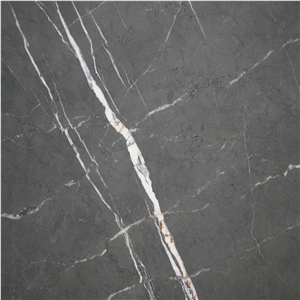
Monet Grey Marble

Grey - Marble

France

About

Item Details

Material Type:
Marble
Origin:
France (Vilette, Moutier, Dept. Savoie)
Primary Color(s):
Grey
Recommended Usage:
kitchen and bathroom countertop, wash basins, building stone, ornamental stone, stairs, interior, exterior wall and floor applications, mosaic, water-jet pattern, wall panels, table tops, balustrades, columns, wall and pool copings, pool pavers, sculptures, fireplaces, window sills
Additional Names:
Monet Gray Marble, Marbre Gris Monet, Marmo Grigio Monet, Bleu De France Marble, Grey Monet Marble, in China stone market:莫奈灰(Mò Nài Huī)
Finished Surface:
Polished,Bush Hammered,Tumbled,Brushed,Honed,Split,Machine Cut,Natural Surface,Sandblasted,Combed,Leathered,Water Jet,Chiseled,Pickling

Testing

Water Absorption:
0.20 - 0.60% by weight
Density:
2650 - 2750 kg/m³
Flexural Strength:
8 - 14 MPa
Compressive Strength:
70 - 120 MPa

Description

Monet Grey Marble features a warm, earthy taupe-grey base blending brownish-beige and muted grey undertones with a subtle vintage patina. Its understated coloration gives the stone a soft, aged and elegant appearance.

Texture & Structure:

Fine- to medium-grained crystalline texture with a compact, relatively uniform structure. The surface contains scattered small dark mineral pits and fossil-like speckles that provide natural variation and organic depth.

Pattern & Veining:

Irregular, web-like fine veins in lighter grey and pale beige create a soft, painterly pattern across the surface. Veining intensity and fossil-like markings may vary between blocks and slabs.

Technical Characteristics (Indicative):

  • Water Absorption: 0.20–0.60% by weight
  • Density: 2650–2750 kg/m³
  • Flexural Strength: 8–14 MPa
  • Compressive Strength: 70–120 MPa
  • Hardness: 3–4 Mohs

Mineral Composition (Indicative, % by weight):

  • Calcite: 85–95%
  • Dolomite: 2–7%
  • Quartz: 1–4%
  • Mica/Clay Minerals: 0–3%
  • Other Accessory Minerals: 0–2%

Chemical Composition (Indicative, % by weight):

  • CaCO₃: 85–95%
  • MgCO₃: 1–5%
  • SiO₂: 0.5–3%
  • Al₂O₃: 0.1–1.5%
  • Fe₂O₃: 0.1–1.5%
  • Other Oxides: 0–2%

Usage:

Suitable for interior flooring, wall cladding, feature walls, bathroom surfaces, vanity tops, countertops, fireplace surrounds, stairs, reception areas, tables, furniture, and decorative architectural applications.

Finishes:

Polished, honed, brushed, tumbled, and leathered.

Maintenance:

Clean with a pH-neutral stone cleaner and a soft cloth or mop. Avoid vinegar, lemon, acidic cleaners, and abrasive products. Seal porous surfaces periodically according to usage and finish, and wipe spills promptly to minimize staining.

FAQ

Is 18 mm Monet Grey Marble good for a commercial bathroom top?

Using 18 mm Monet Grey Marble for a commercial bathroom countertop can be a good choice, but there are several factors to consider: 1. **Aesthetics**: Monet Grey Marble has a luxurious and elegant appearance, which can enhance the overall design of a commercial bathroom. Its unique patterns and colors can create a sophisticated look. 2. **Durability**: While marble is a durable natural stone, it is softer and more porous than granite or quartz. It is susceptible to scratching, staining, and etching, especially in high-traffic commercial environments. 3. **Maintenance**: Marble requires regular maintenance to maintain its appearance. This includes sealing to protect against stains and cleaning with pH-neutral cleaners to avoid etching. 4. **Cost**: Marble is generally more expensive than other countertop materials, which might be a consideration depending on your budget. 5. **Moisture**: In a bathroom setting, especially a commercial one, the countertop will likely be exposed to a lot of moisture. Ensuring that the marble is properly sealed is crucial to prevent water damage. 6. **Alternatives**: If durability and maintenance are concerns, you might want to consider alternative materials like quartz, which can mimic the look of marble but offer greater resilience. Overall, if you are prepared for the maintenance and higher upfront cost, Monet Grey Marble can be a beautiful and functional option for a commercial bathroom countertop. However, assessing the specific needs and conditions of your space will help determine the best choice.

Can Monet Grey Marble floor tiles discoloration be fixed?

Discoloration in Monet Grey Marble floor tiles can potentially be addressed, but the success of any fix will largely depend on the cause and extent of the discoloration. Here are some steps you can take to address the issue: 1. **Identify the Cause**: The first step is to identify why the discoloration occurred. Common causes include moisture, staining from spills, improper cleaning agents, or UV exposure. Understanding the cause will help in selecting the most effective treatment. 2. **Cleaning**: If the discoloration is due to surface stains or residue, a thorough cleaning might resolve the issue. Use a pH-neutral cleaner specifically designed for natural stone. Avoid acidic or abrasive cleaners as they can damage the marble. 3. **Poultice Treatment**: For deeper stains, a poultice can be applied. This involves using a paste made from a liquid cleaner and an absorbent material. The paste is applied to the stain, covered, and left for 24-48 hours to draw the stain out. 4. **Professional Stone Restoration**: If cleaning and poultice treatments do not resolve the issue, consulting a professional stone restorer may be necessary. They often have access to specialized tools and chemicals that can effectively treat discoloration. 5. **Polishing and Sealing**: Once the discoloration is treated, polishing the marble can help restore its shine. Its also important to seal the marble to prevent future staining and discoloration. Sealing should be done periodically, according to the manufacturers recommendations. 6. **Preventive Measures**: To prevent future discoloration, ensure that spills are cleaned promptly and that only suitable cleaning products are used regularly. Protecting the marble from prolonged exposure to direct sunlight can also help maintain its original color. Each situation is unique, so the best course of action will depend on the specific circumstances surrounding the discoloration.

Can etched or scratched calcitic Monet Grey Marble be repaired?

Etched or scratched calcitic Monet Grey Marble can often be repaired, although the extent of the restoration will depend on the severity of the damage. Here are some general steps you can follow: 1. **Assess the Damage**: Determine whether the damage is a surface etch or a deeper scratch. Surface etching is usually a dull spot on the marble, whereas scratches are more pronounced. 2. **Clean the Surface**: Clean the area with a pH-neutral stone cleaner to remove any dirt, oils, or residues. Avoid acidic or abrasive cleaners as they can cause further damage. 3. **Polishing for Light Etches**: - Use a marble polishing powder or paste. These products are designed to remove light etches. - Apply the polishing powder or paste according to the manufacturers instructions, usually with a damp cloth or pad, and rub gently in circular motions. - Wipe away any residue and buff the area with a soft, dry cloth. 4. **Repairing Scratches**: - For minor scratches, you can use a commercial marble polishing compound and follow a similar process as above. - For deeper scratches, you may need to use a marble polishing kit that includes different grades of sandpaper or abrasive pads to even out the surface. - Start with the finest grit that can still remove the scratch, and progress to finer grits to restore the shine. 5. **Seal the Marble**: After repairs, consider applying a marble sealer to protect the surface from future etching. Ensure the marble is clean and dry before applying the sealer. 6. **Professional Help**: If the damage is extensive or you’re unsure of the process, it is advisable to contact a professional marble restoration service. Professionals have specialized tools and products to repair marble effectively. Remember, marble is a natural stone and can be delicate. Always follow product instructions carefully and test any new product or technique in an inconspicuous area first.

Is calcitic Monet Grey Marble resistant to acids?

Calcitic Monet Grey Marble, like other calcitic marbles, is not highly resistant to acids. Marble is primarily composed of calcium carbonate, which reacts with acids such as vinegar, lemon juice, and other acidic substances. Acid exposure can lead to etching on the marbles surface, causing dull spots or marks. To maintain the appearance of marble surfaces, its important to clean up spills promptly and avoid using acidic cleaners. For additional protection, sealing the marble can help reduce the risk of etching, although it will not make it completely resistant to acids.

Should Monet Grey Marble kitchen countertop be sealed before installation?

Yes, Monet Grey Marble kitchen countertops should be sealed before installation. Marble is a porous material, which means it can absorb liquids and stain easily. Sealing the stone helps protect it from stains, etching, and other damage by creating a barrier that reduces the absorption of liquids and other substances. It is typically recommended to seal marble countertops upon installation and then re-seal them periodically, depending on the manufacturers instructions and the level of use. Always use a high-quality sealer specifically designed for marble to ensure the best protection.

Is calcitic Monet Grey Marble harder than regular marble?

Calcitic Monet Grey Marble, like other calcitic marbles, primarily consists of calcite. Generally, marble, which is primarily composed of calcite or dolomite, tends to have a Mohs hardness rating of around 3 to 4. This is relatively soft compared to many other natural stones such as granite, which rates around 6 to 7 on the Mohs scale. The hardness of calcitic Monet Grey Marble would therefore be similar to other marbles, since it is fundamentally still marble and made primarily of calcite. There can be slight variations in hardness among different types of marble due to the specific composition, impurities, and geological formation, but these differences are usually minimal. In essence, calcitic Monet Grey Marble is not significantly harder than regular marble.

Products & Prices

View More

Hot Grey Marble

New Marble

Post Your Request

The request includes:
  1. surface finished, size
  2. quantity required