Post Your Needs

Montmartre Marble

Black - Marble

China

About

Item Details

Material Type:
Marble
Origin:
China (Guangxi)
Primary Color(s):
Black
Recommended Usage:
kitchen and bathroom countertops, monuments, stairs, building stone, ornamental stone, interior, exterior wall and floor applications, mosaic, waterjet pattern
Additional Names:
Montmartre Portoro Marble, Black Montmartre Marble, Nero Portoro Marble, China Portoro Marble, Fantasy Black Gold Flower Marble, Black Gold Flower Marble, China Golden Black Marble, Vendome Noir Marble, Athens Black Gold Flower Marble, in China stone market:雅典黑金花(Yǎdiǎn hēijīn huā), Montmartre Marble
Finished Surface:
Polished,Bush Hammered,Tumbled,Brushed,Honed,Split,Machine Cut,Natural Surface,Sandblasted,Acid Washing,Combed,Leathered,Water Jet,Filled,Chiseled,Pickling

Description

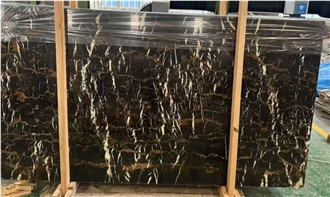
Montmartre Marble is a striking and luxurious stone, characterized by its deep, jet-black background, which provides a dramatic contrast to the delicate veins of gold that spray across its surface. The gold veins, with their intricate and flowing patterns, create a sense of movement and elegance, adding a sophisticated touch to any space. This marble is perfect for high-end applications, where its bold beauty can make a statement. Quarried in China, Montmartre Marble is highly sought after for its unique combination of dark richness and radiant gold accents, making it a versatile choice for contemporary designs in both residential and commercial settings. Whether used for countertops, wall cladding, or flooring, it offers an air of opulence and timeless beauty.

FAQ

How can I remove mold from Montmartre Marble wall tiles?

To remove mold from Montmartre Marble wall tiles, you can follow these steps: 1. Create a cleaning solution by mixing equal parts water and white vinegar in a spray bottle. 2. Spray the cleaning solution directly onto the moldy areas of the marble wall tiles. 3. Let the solution sit on the tiles for about 10-15 minutes to allow it to penetrate the mold. 4. Scrub the moldy areas with a soft-bristled brush or sponge to help loosen the mold and lift it off the tiles. 5. Rinse the tiles thoroughly with clean water to remove any remaining mold and cleaning solution. 6. Dry the tiles completely with a clean cloth or towel to prevent any mold from regrowing. 7. For stubborn mold stains, you can also try using a commercial mold remover specifically formulated for marble surfaces. Be sure to follow the manufacturers instructions carefully. 8. To prevent mold from returning, make sure to keep the area well-ventilated, fix any moisture issues, and clean the tiles regularly with a mild soap and water solution.

Does Montmartre Marble mosaic need to be sealed?

Yes, Montmartre Marble mosaic should be sealed to protect it from staining, water damage, and weathering. Sealing the marble will also enhance its natural beauty and help maintain its appearance over time. It is recommended to apply a high-quality, penetrating sealer specifically designed for marble mosaics to ensure proper protection and longevity.

How can I clean Montmartre Marble mosaic tiles?

To clean Montmartre Marble mosaic tiles, follow these steps: 1. Begin by sweeping or vacuuming the tiles to remove any loose dirt or debris. 2. Fill a bucket with warm water and add a small amount of mild detergent or a special marble cleaner. 3. Use a soft cloth or sponge to gently scrub the tiles with the soapy water, paying particular attention to any stained or dirty areas. 4. Rinse the tiles thoroughly with clean water to remove any soap residue. 5. Dry the tiles with a clean, soft cloth to prevent water spots or streaks. 6. For stubborn stains or grime, you can use a mild abrasive cleaner specifically designed for marble surfaces. Be sure to follow the manufacturers instructions carefully. 7. To maintain the shine and protect the tiles, you can also apply a marble sealer according to the manufacturers recommendations. Its important to avoid using harsh chemicals or abrasive scrubbers on Montmartre Marble mosaic tiles, as these can damage the surface and dull the finish. Regular cleaning and sealing will help keep your tiles looking beautiful for years to come.

How can I clean the grout of Montmartre Marble wall tiles?

To clean the grout of Montmartre Marble wall tiles, you can follow these steps: 1. Mix a solution of warm water and mild dish soap or a commercial tile and grout cleaner. 2. Using a stiff-bristled brush or a grout brush, scrub the grout lines in a circular motion to loosen dirt and grime. 3. Rinse the area with clean water and wipe dry with a clean cloth. 4. For stubborn stains, you can make a paste of baking soda and water and apply it to the grout lines. Let it sit for a few minutes before scrubbing and rinsing. 5. For extra stubborn stains, you can use a mixture of equal parts water and vinegar. Spray the solution onto the grout lines, let it sit for a few minutes, then scrub and rinse. 6. To prevent future staining, you can apply a grout sealer to the grout lines after cleaning. Remember to test any cleaning solution on a small, inconspicuous area first to ensure it does not damage the marble or grout.

I have a Montmartre Marble tabletop with a vein that looks broken. Should I glue it?

It is recommended that you consult with a professional marble specialist before attempting to repair the broken vein on your Montmartre Marble tabletop. Gluing the vein yourself may not provide a lasting or aesthetically pleasing solution, and could potentially cause further damage to the marble. A professional will be able to assess the damage and provide the best course of action for repairing the tabletop.

Can Montmartre Marble be used for kitchen countertop?

Montmartre Marble is a beautiful and elegant stone that can be used for kitchen countertops. However, it is important to keep in mind that marble is a softer and more porous material compared to granite or quartz, so it may be more prone to staining, scratching, and etching. It is recommended to seal Montmartre Marble regularly to help protect it against staining and etching. Additionally, be cautious with acidic substances like lemon juice or vinegar as they can erode the marble surface. Overall, Montmartre Marble can be a stunning choice for a kitchen countertop, but it may require more maintenance and care compared to other types of stone.

How can I repair the scratched surface of the Montmartre Marble steps?

Repairing scratched surfaces on Montmartre Marble steps can be a delicate process, but it is certainly possible to restore their appearance. Here is a step-by-step guide on how to repair scratched Montmartre Marble steps: 1. Clean the surface: Start by thoroughly cleaning the scratched area of the steps with a mild detergent and warm water. Use a soft cloth or sponge to gently scrub away any dirt or debris that may be present. 2. Assess the damage: Carefully inspect the scratches on the marble steps to determine the extent of the damage. Minor scratches can often be buffed out with a polishing compound, while deeper scratches may require more intensive repair methods. 3. Buff out minor scratches: For minor scratches, apply a small amount of marble polishing compound to the scratched area. Use a soft cloth to gently buff the compound into the marble in a circular motion. Continue buffing until the scratches are no longer visible. 4. Fill in deep scratches: If the scratches are too deep to buff out, you may need to fill them in with a marble repair kit. These kits typically include a special filler compound that can be used to fill in deep scratches and restore the smooth surface of the marble. 5. Sand and polish: Once the scratches have been filled in, use a fine-grit sandpaper to smooth out the repaired area. Gradually increase the grit of the sandpaper until the surface is completely smooth. Finally, apply a marble polishing compound to the repaired area to restore its natural shine. 6. Seal the surface: To protect the repaired area and prevent future scratches, consider applying a marble sealer to the steps. Follow the manufacturers instructions for applying the sealer, and allow it to fully dry before using the steps again. By following these steps, you should be able to effectively repair the scratched surface of your Montmartre Marble steps and restore them to their original beauty. If you are unfamiliar with marble repair techniques or feel unsure about tackling the repair yourself, consider hiring a professional marble restoration specialist to help with the job.

Is Montmartre Marble with a glossy polished surface good for house flooring?

Montmartre Marble with a glossy polished surface can be an attractive and luxurious choice for house flooring. However, it is important to consider a few factors before using it in your home: 1. Maintenance: Glossy polished surfaces can show scratches, stains, and etching more easily than honed or matte finishes. Regular cleaning and maintenance will be required to keep the floor looking its best. 2. Slip resistance: Polished marble can be slippery when wet, so it may not be the best choice for areas prone to moisture or spills. 3. Durability: While marble is a durable material, it is still prone to scratching and chipping over time, especially in high-traffic areas. Consider the level of foot traffic in the room where the marble will be installed. 4. Aesthetics: Montmartre Marble with a glossy polished surface can add elegance and sophistication to a space, but it may not be the best choice for every design style. Consider how it will complement the overall aesthetic of your home. Overall, Montmartre Marble with a glossy polished surface can be a beautiful option for house flooring, but it is important to carefully consider the maintenance, slip resistance, durability, and aesthetics before making a decision.

Does the surface of Montmartre Marble scratch easily?

Montmartre Marble is a type of marble that is known for its durability and resistance to scratching. However, like all natural stones, it is still possible for the surface to scratch with enough force or pressure. It is recommended to use cutting boards or trivets to protect the surface from sharp objects and to avoid dragging heavy items across the surface to prevent scratching. Regular cleaning and sealing can also help to maintain and protect the surface of Montmartre Marble.

Can Montmartre Marble be used for stair steps?

Yes, Montmartre Marble can be used for stair steps. Marble is a durable and versatile material that is often used in construction for various applications, including staircases. Montmartre Marble, with its elegant and timeless appearance, can be a beautiful and luxurious choice for stair steps in residential or commercial settings. It is important to consult with a professional installer to ensure proper installation and maintenance of Montmartre Marble stair steps.

Products & Prices

View More

Hot Black Marble

New Marble

Post Your Request

The request includes:
  1. surface finished, size
  2. quantity required