Post Your Needs

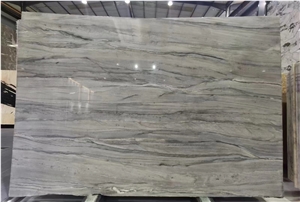
Morandi Grey Marble

Marble

Greece

About

Item Details

Material Type:
Marble
Origin:
Greece (Drama)
Recommended Usage:
kitchen and bathroom countertop, wash basins, building stone, ornamental stone, stairs, interior, exterior wall and floor applications, mosaic, water-jet pattern, wall panels, table tops, balustrades, columns, wall and pool copings, pool pavers, sculptures, fireplaces, window sills
Additional Names:
Morandi Gray Marble, Era Silver Marble, Drama Silver Grey Marble, in China stone market:莫兰蒂灰(Mò Lán Dì Huī), Morandi Grey Marble
Finished Surface:
Polished,Bush Hammered,Tumbled,Brushed,Honed,Split,Machine Cut,Natural Surface,Sandblasted,Combed,Leathered,Water Jet,Chiseled,Pickling

Testing

Water Absorption:
0.10% by weight
Density:
2696.4 kg/m³
Flexural Strength:
11.58 MPa
Compressive Strength:
91.50- 100.00 MPa

Description

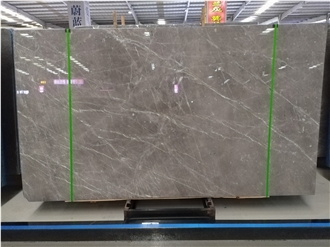
Morandi Grey Marble features a sophisticated dark grey to charcoal base with subtle cool, slightly greenish-grey undertones. Quarried in Greece, it displays diffuse, misty, predominantly horizontal veins in lighter silver-grey and white. The patterns are soft and smoky rather than sharply defined, creating a layered, atmospheric depth across the surface. Its highly polished, glossy finish reflects light brilliantly, revealing a smooth texture with fine crystalline webs and faint linear markings.

Color & Appearance:

Morandi Grey Marble features a sophisticated dark grey to charcoal base with subtle cool, slightly greenish-grey undertones. Its highly polished surface provides a brilliant glossy reflection, enhancing the stone’s depth and natural crystalline character.

Texture & Structure:

Fine to medium-grained crystalline marble with a smooth, compact texture. Fine crystalline webs and faint linear markings become more visible under polished finishing, contributing to its refined appearance.

Pattern & Veining:

The stone displays diffuse, misty, predominantly horizontal veins in lighter silver-grey and white. The veining is soft and smoky rather than sharply defined, creating layered, atmospheric depth across the surface.

Technical Characteristics:

  • Water Absorption: 0.10% by weight
  • Density: 2696.4 kg/m³
  • Flexural Strength: 11.58 MPa
  • Compressive Strength: 91.50- 100.00 MPa
  • Hardness: Approximately 3–4 Mohs

Mineralogical Composition:

Predominantly calcite, with minor dolomite, quartz, mica, and accessory minerals. Exact percentages should be confirmed by laboratory analysis.

Chemical Composition:

Primarily calcium carbonate (CaCO₃), with minor magnesium carbonate (MgCO₃), silica (SiO₂), aluminum and iron oxides, and other trace minerals. Exact percentages should be confirmed by laboratory analysis.

Applications:

Suitable for interior flooring, wall cladding, feature walls, countertops, vanity tops, bathroom surfaces, fireplace surrounds, reception desks, staircases, tables, furniture, and other decorative architectural applications.

Finishes:

Polished, honed, leathered, brushed, and other custom finishes.

Usage & Maintenance:

Recommended for interior applications where its polished appearance can be maintained. Clean with a pH-neutral stone cleaner and a soft cloth. Avoid acidic cleaners, vinegar, lemon, abrasive products, and harsh chemicals. Periodic sealing is recommended, particularly for countertops, vanities, and other areas exposed to moisture or staining.

FAQ

Can Morandi Grey Marble be used in freeze-thaw climates?

Morandi Grey Marble, like many natural stones, can be used in freeze-thaw climates, but with precautions. Natural stones are susceptible to damage from repeated freeze-thaw cycles due to their porosity and potential for water absorption. When water penetrates the marble and freezes, it expands and can cause the stone to crack or spall. To ensure the longevity of Morandi Grey Marble in such climates, consider the following measures: 1. **Quality and Density**: Choose a high-quality, dense marble with low porosity because these are less prone to water absorption and damage. 2. **Sealing**: Regularly apply a high-quality stone sealer to minimize water penetration. The frequency of sealing can depend on the local climate and the marbles usage, but typically it should be done annually. 3. **Installation**: Proper installation is crucial. Ensure that the marble is installed by professionals who can account for potential water drainage issues and can implement measures like proper slopes and drainage systems to prevent water accumulation. 4. **Protective Measures**: Avoid using de-icing salts on marble surfaces, as these can exacerbate freeze-thaw damage and cause staining. 5. **Maintenance**: Regular inspection and maintenance are important. Address any chips, cracks, or damage immediately to prevent water ingress and further deterioration. By taking these steps, you can help mitigate potential damage to Morandi Grey Marble in freeze-thaw climates. However, always consult with professionals who understand local weather conditions and stone installation practices for the best results.
Does Morandi Grey Marble floor tiles scratch easily?

Morandi Grey Marble, like other marble types, is relatively soft compared to other natural stones such as granite. This means it is more prone to scratching if not properly cared for. Marble has a Mohs hardness rating of about 3-5, making it susceptible to scratches from harder materials. To minimize scratching, its important to take preventative measures such as: 1. **Sealing:** Ensure the tiles are properly sealed to provide a protective barrier. 2. **Regular Cleaning:** Clean the floor regularly with a pH-neutral cleaner specifically designed for marble to avoid abrasive damage. 3. **Protective Pads:** Use felt pads under furniture legs to prevent scratching when moving items. 4. **Dust and Grit Management:** Keep the floor free from dust and grit which can act like sandpaper underfoot. 5. **Rugs and Mats:** Place rugs or mats in high-traffic areas to reduce direct contact with the marble surface. By taking these precautions, you can help maintain the appearance of Morandi Grey Marble floor tiles and reduce the likelihood of scratching. However, be aware that over time, even with good care, some wear and tear may occur.

How should calcitic Morandi Grey Marble be cleaned and maintained?

Calcitic Morandi Grey Marble is a beautiful natural stone, and maintaining its appearance requires careful cleaning and maintenance practices. Here are some general guidelines: 1. **Regular Dusting and Sweeping**: Use a soft, dry, and lint-free cloth or mop to regularly dust and sweep the marble surface. This prevents dirt and grit from scratching the marble. 2. **Gentle Cleaning**: For routine cleaning, use a pH-neutral cleaner specifically designed for marble or a mild dish soap diluted in water. Apply using a soft cloth or sponge. Avoid acidic or abrasive cleaners as they can dull the surface. 3. **Wipe Spills Immediately**: Marble is porous and can stain easily. Promptly wipe up spills, especially from acidic substances like wine, citrus juices, and vinegar, using a damp cloth. 4. **Avoid Abrasive Tools**: Do not use scouring pads, steel wool, or any abrasive tools that can scratch the marble surface. 5. **Dry Completely**: After cleaning, dry the surface with a soft, dry cloth to prevent water spots and streaks. 6. **Seal Regularly**: Depending on the marbles use and location, apply a marble sealer as recommended by the manufacturer, typically every 6-12 months. Sealing helps protect against staining. 7. **Preventive Measures**: Use coasters under glasses, mats, or trivets under hot dishes and cookware to protect the marble from heat and potential staining. 8. **Handle with Care**: Avoid placing heavy objects directly on the marble, and ensure protective mats are used if necessary. 9. **Polishing**: As needed, professional polishing can restore the marbles shine. Use a marble polish suited to calcitic marble if polishing on your own. 10. **Professional Restoration**: For deeper stains, etching, or scratches, consider consulting a professional restoration service to properly address these issues without damaging the surface. By following these guidelines, you can maintain the beauty and longevity of your Calcitic Morandi Grey Marble surfaces.

Should Morandi Grey Marble kitchen countertop be sealed before installation?

Yes, Morandi Grey Marble kitchen countertops should be sealed before installation. Marble is a porous natural stone, which means it can absorb liquids and stain easily. Sealing the marble helps to protect it from spills, stains, and etching from acidic substances. It is recommended to seal the marble before installation and periodically thereafter, depending on the type of sealer used and the amount of use the countertop receives. Always follow the manufacturers instructions for sealing and maintenance to ensure the longevity and appearance of the marble countertop.

Is calcitic Morandi Grey Marble suitable for kitchen countertops?

Calcitic Morandi Grey Marble can be used for kitchen countertops, but there are some considerations to keep in mind. Marble is generally softer and more porous than other countertop materials like granite or quartz. This means it can be more prone to scratching, staining, and etching from acidic substances such as lemon juice, vinegar, or tomato sauce. Regular sealing can help reduce this risk but not eliminate it entirely. If youre considering using Morandi Grey Marble for your kitchen countertops, think about how you use your kitchen and whether you’re willing to maintain the stone and accept the natural patina it will develop over time. If you frequently cook or entertain, you might want to consider more durable materials unless you specifically desire the aesthetic and character marble can bring, along with its care requirements.

Can etched or scratched calcitic Morandi Grey Marble be repaired?

Yes, etched or scratched calcitic Morandi Grey Marble can generally be repaired, although the process may require different approaches depending on the severity of the damage. Here’s a general guide on how this can be done: 1. **Assess the Damage**: Determine the extent of the etching or scratching. Minor etching or superficial scratches can often be addressed with DIY methods, while deeper damage may require professional restoration. 2. **Cleaning**: Thoroughly clean the marble surface with a pH-neutral cleaner made specifically for stone to remove any dirt, debris, or residue. Avoid using acidic or abrasive cleaners, as these can cause further damage. 3. **Polishing Light Etches or Scratches**: - For minor etches, use a marble polishing powder or a marble polishing compound. Apply the powder or compound to the affected area and buff it using a soft cloth or a low-speed polisher. - Always follow the manufacturer’s instructions for the best results. 4. **Repairing Deep Scratches or Heavy Etching**: - If the damage is deep, you might need to use fine-grit sandpaper (such as 400 to 600 grit) or diamond polishing pads to gently sand the surface. Start with the coarsest grit and gradually move to finer grits to restore the surface’s smoothness. - After sanding, polish the area as mentioned above to restore the marble’s shine. 5. **Sealing**: Once the surface is repaired and polished, it’s a good idea to seal the marble to protect against future damage. Use a high-quality marble sealer and apply it according to the instructions. 6. **Professional Restoration**: If you are not comfortable repairing the damage yourself or if the damage is extensive, it may be best to hire a professional stone restoration expert. They have specialized equipment and expertise to restore the marble to its original condition. Always test any products or techniques on a small, inconspicuous area of the marble first to ensure there are no adverse effects. Additionally, regular maintenance and proper sealing can help prevent etching and scratching in the future.

Products & Prices

Hot Marble

New Marble

Post Your Request

The request includes:
  1. surface finished, size
  2. quantity required