Post Your Needs

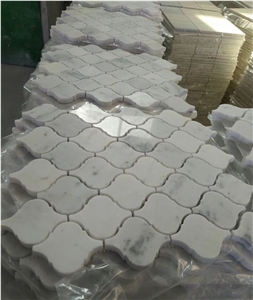
Moroccan White Marble

Marble

Turkey

About

Item Details

Material Type:
Marble
Origin:
Turkey
Recommended Usage:
Kitchen and bathroom countertops, building stone, ornamental stone, stairs, interior, exterior wall and floor applications, mosaic, waterjet pattern, wall panels, table tops, balustrades, columns, wall and pool copings, pool pavers, sculptures, fireplaces
Additional Names:
Moroccan White Dolomite Marble
Finished Surface:
Polished,Bush Hammered,Tumbled,Brushed,Honed,Split,Machine Cut,Natural Surface,Sandblasted,Combed,Leathered,Water Jet,Filled,Chiseled,Pickling

Description

Moroccan White Marble is a striking dolomitic marble quarried in Turkey, known for its elegant ivory white base beautifully accented by soft golden yellow shades and subtle gray features. This marble offers a refined and luxurious appearance, perfect for a variety of high-end interior applications.

Key Characteristics:

Base Color: The marble features a soft ivory white foundation that exudes timeless elegance and versatility. Its light color creates a calm, bright atmosphere, making it suitable for both traditional and contemporary design schemes.

Veining and Pattern: The soft golden yellow accents seamlessly blend with the ivory base, adding warmth and depth to the stone. Subtle gray features are scattered across the surface in a natural, understated pattern, enhancing the marble’s sophisticated visual appeal without overpowering the overall design.

Material Composition: As a dolomitic marble, Moroccan White Marble contains dolomite minerals, which make it more durable and resistant to acids than regular calcite-based marbles, ensuring longevity and ease of maintenance.

Surface Finishes:

Polished Finish: The polished finish gives Moroccan White Marble a sleek, glossy surface that enhances its creamy white tones and delicate veining. This reflective surface captures light, creating a radiant and luxurious atmosphere, making it an ideal choice for high-end applications such as countertops, backsplashes, and flooring.

Honed Finish: The honed finish offers a more matte, soft texture that gives the marble a sophisticated, understated look. This finish highlights the marble's natural elegance, providing a smooth, velvety surface with a more subdued shine. It is perfect for spaces that require a more subtle, refined aesthetic.

Applications:

Countertops: Moroccan White Marble’s polished finish makes it an excellent choice for kitchen and bathroom countertops, where its soft golden veins and gray accents will bring a serene, luxurious touch.

Flooring: Both polished and honed finishes are suitable for flooring, whether in living rooms, entryways, or bathrooms. The honed version is especially well-suited for high-traffic areas, offering durability and slip resistance, while the polished version provides a sleek and sophisticated look for feature spaces.

Wall Cladding: This marble is also ideal for use in wall cladding, whether for accent walls or full wall installations, where its subtle elegance will elevate the space and create a timeless design.

Vanities & Custom Features: Moroccan White Marble is perfect for bathroom vanities, fireplaces, and other custom stone features, where its elegant patterns can be fully appreciated. It adds a touch of refinement and sophistication to any interior space.

Durability:

As a dolomitic marble, Moroccan White Marble is more durable and less prone to scratching and staining than traditional marble. Regular sealing is recommended to preserve the marble's finish and protect it from potential damage, ensuring its long-lasting beauty.

Summary:

Moroccan White Marble, with its soft ivory white base, golden yellow undertones, and subtle gray features, is a luxurious and versatile dolomitic marble perfect for a variety of design applications. Available in both polished and honed finishes, it is ideal for countertops, flooring, wall cladding, and custom features, offering timeless beauty and sophistication to any interior.

FAQ

Is Moroccan White Marble durable enough for use as walkway pavers?

Moroccan White Marble is a beautiful and luxurious material that can be used for walkway pavers. However, it may not be the most durable option for heavy foot traffic areas. Marble is a softer stone compared to granite or concrete, which means it is more prone to scratching, chipping, and staining. In high traffic areas, marble pavers may wear down more quickly and require more maintenance to keep them looking their best. If you are set on using Moroccan White Marble for your walkway, it is recommended to seal the pavers regularly to protect them from damage. Additionally, consider using a more durable material for high traffic areas and using the marble as an accent or in lower traffic areas to showcase its beauty without risking damage.

Does the surface of Moroccan White Marble scratch easily?

Moroccan White Marble is a type of marble known for its hardness and durability. While it is less prone to scratching compared to other types of marble, it is still possible for the surface to scratch under certain conditions. It is important to use protective measures such as coasters, placemats, and cutting boards to avoid scratches from sharp objects. Regular maintenance and sealing can also help preserve the surface of Moroccan White Marble and prevent scratches.

Can glossy polished Moroccan White Marble be used for pool coping?

Yes, glossy polished Moroccan White Marble can be used for pool coping. However, it is important to note that marble is a softer stone compared to other natural stones like granite or travertine, so it may require more maintenance and care to prevent scratching or etching from pool chemicals and water exposure. Additionally, the high gloss finish may become slippery when wet, so it is important to consider the safety implications when using marble for pool coping.

Can Moroccan White Marble be used as a kitchen countertop?

Yes, Moroccan White Marble can be used as a kitchen countertop. It is a durable and elegant choice for kitchen surfaces, providing a high-end, luxurious look to any kitchen. Just keep in mind that marble is a porous material and can be prone to staining and etching, so it will require regular sealing and maintenance to keep it looking its best.

How can I remove mold from Moroccan White Marble wall tiles?

To remove mold from Moroccan White Marble wall tiles, follow these steps: 1. Mix a solution of equal parts water and white vinegar in a spray bottle. 2. Spray the solution onto the affected areas of the tiles and let it sit for about 15-20 minutes to allow it to penetrate and break down the mold. 3. Use a soft-bristled brush or sponge to scrub the mold off the tiles. Be sure to scrub gently to avoid damaging the marble. 4. Rinse the tiles thoroughly with clean water to remove any leftover mold spores and vinegar solution. 5. Dry the tiles completely with a clean, dry towel to prevent mold from returning. 6. In case the mold is stubborn, you can also try using a commercial mold remover specifically designed for marble surfaces. Be sure to follow the manufacturers instructions carefully. It is also important to address any underlying moisture issues in the area to prevent mold from coming back. Regularly clean and maintain the tiles to prevent mold growth in the future.

Does Moroccan White Marble mosaic need to be sealed?

Yes, it is recommended to seal Moroccan White Marble mosaic to protect it from staining, water damage, and other forms of surface deterioration. Sealing the marble will also help enhance its natural colors and patterns, as well as make it easier to clean and maintain in the long term.

How can I clean Moroccan White Marble mosaic tiles?

To clean Moroccan White Marble mosaic tiles, follow these steps: 1. Start by sweeping or vacuuming the tiles to remove any loose dirt or debris. This will prevent scratching the tiles when you begin cleaning. 2. Mix a mild detergent or stone cleaner with warm water in a bucket. Use a soft cloth or sponge to apply the cleaning solution to the tiles, working in small sections at a time. 3. Gently scrub the tiles in a circular motion to remove any dirt or stains. Avoid using abrasive cleaners or scrub brushes, as these can damage the marble surface. 4. Rinse the tiles thoroughly with clean water to remove any residue from the cleaning solution. 5. Use a soft, dry cloth to wipe the tiles dry and prevent water spots or streaks from forming. 6. For tougher stains or calcium deposits, you can create a paste using baking soda and water. Apply the paste to the stained areas and allow it to sit for a few minutes before scrubbing with a soft brush. 7. To prevent future staining, it is recommended to seal Moroccan White Marble tiles with a marble sealant. This will help protect the tiles from water damage and stains. Regular cleaning and maintenance will help keep your Moroccan White Marble mosaic tiles looking their best and preserve their beauty for years to come.

How can I clean the grout of Moroccan White Marble wall tiles?

Cleaning grout on Moroccan White Marble wall tiles can be a bit more delicate than cleaning regular tile grout. Here are some steps you can follow to effectively clean the grout: 1. Mix a mild cleaning solution of warm water and a few drops of mild dish soap or a neutral pH cleaner. Avoid using harsh chemicals or acidic cleaners as they can damage the marble. 2. Use a soft-bristled brush or an old toothbrush to scrub the grout lines gently. Avoid using abrasive brushes or scrubbers that can scratch the marble surface. 3. For tougher stains, you can make a paste of baking soda and water and apply it to the grout lines. Let it sit for a few minutes before scrubbing with a brush. 4. Rinse the grout lines with clean water and wipe them dry with a clean cloth or sponge. 5. For stubborn stains or deeply embedded dirt, you can use a commercial grout cleaner specifically designed for marble surfaces. Follow the manufacturers instructions carefully. 6. To prevent future staining, you can seal the grout lines with a marble sealer. This will help protect the grout from absorbing liquids and dirt. Its important to test any cleaning solution in a small, inconspicuous area before applying it to the entire grout lines to ensure it doesnt damage the marble. Additionally, regularly cleaning and sealing the grout lines will help maintain the beauty of your Moroccan White Marble wall tiles.

I have a Moroccan White Marble tabletop with a vein that looks broken. Should I glue it?

If the vein in your Moroccan White Marble tabletop looks broken, it may be best to leave it as is rather than attempting to glue it back together. Marble is a natural stone and trying to glue it could alter the appearance and integrity of the material. If you are concerned about the broken vein affecting the stability of the tabletop, you can consider having a professional stone restoration specialist assess the tabletop and provide recommendations on how to best address the issue. It is important to handle marble with care and seek expert advice when dealing with potential damage to ensure the beauty and longevity of your tabletop.

Products & Prices

View More

Hot Marble

New Marble

Post Your Request

The request includes:
  1. surface finished, size
  2. quantity required