Post Your Needs

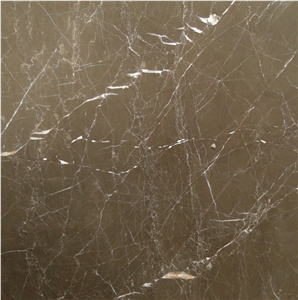
Morocco Sahara Brown Marble

Brown - Marble

Morocco

About

Item Details

Material Type:
Marble
Origin:
Morocco (Biougra, Agadir, Sud Morocco)
Primary Color(s):
Brown
Recommended Usage:
kitchen and bathroom countertops, stairs, building stone, ornamental stone, interior, exterior wall applications, mosaic, waterjet pattern
Additional Names:
Sahara Brown Marble, Port Laurent Marble, Port Saint Laurent Marble, Sahara Brown
Finished Surface:
Polished,Bush Hammered,Tumbled,Brushed,Honed,Split,Machine Cut,Natural Surface,Sandblasted,Acid Washing,Combed,Leathered,Water Jet,Filled,Chiseled,Pickling

Testing

Water Absorption:
0.24 – 0.35% by weight
Density:
2690 – 2720 kg/m³
Flexural Strength:
12 – 17 MPa
Compressive Strength:
102 – 128 MPa

Description

Morocco Sahara Brown Marble is a distinctive and elegant natural stone quarried in Biougra, near Agadir in southern Morocco (Sud Maroc). It is known for its rich deep brown base, contrasted with light rusty brown veining, subtle white features, and earthy gray shades, making it a favored choice for luxurious interior and architectural applications.

Description

  • Name: Sahara Brown Marble
  • Origin: Biougra, Agadir region, Morocco
  • Type: Metamorphic Marble
  • Color Range: Deep brown background with rusty brown, soft white features, and gray undertones
  • Grain: Fine to medium grain
  • Pattern: Flowing veining, streaks, and cloudy textures in an earthy brown palette with occasional linear or wavy formations

Technical Properties

  • Water Absorption: 0.24 – 0.35%
  • Density: ~ 2,690 – 2,720 kg/m³
  • Compressive Strength: ~ 102 – 128 MPa
  • Flexural Strength: ~ 12 – 17 MPa
  • Abrasion Resistance: Moderate
  • Hardness (Mohs): Approx. 3 – 4
  • Porosity: Low to Medium

Chemical Composition (% by weight)

(Average values – may vary slightly based on quarry layer)

  • CaCO₃ (Calcium Carbonate): 92 – 95%
  • MgCO₃ (Magnesium Carbonate): 1 – 2%
  • SiO₂ (Silica): 1 – 2.5%
  • Fe₂O₃ (Iron Oxide): 0.8 – 1.2%
  • Al₂O₃ (Alumina): 0.3 – 0.5%
  • Other Trace Elements: <1%

Mineral Composition

  • Calcite (dominant)
  • Dolomite Quartz (minor)
  • Iron Oxides & Clay minerals – give the brown/rust tones

Applications

Sahara Brown Marble is widely used in:

  • Interior flooring and wall cladding
  • Bathroom and vanity tops
  • Staircases
  • Kitchen countertops (with sealing)
  • Tabletops, fireplace surrounds
  • Decorative panels and columns
  • Luxury hotel and villa lobbies

Maintenance

  • Sealing: Recommended especially in wet or food-preparation areas
  • Cleaning: Use pH-neutral stone cleaner only; avoid acidic or abrasive cleaners
  • Polishing: Can be repolished to restore original luster
  • Scratch Resistance: Moderate – use protective measures on working surfaces

Available Cutting Sizes (cm)

Slabs:

  • 2 cm & 3 cm thickness (most common)
  • Jumbo size available: ~270 x 160 cm or larger

Tiles:

  • 30x30 cm
  • 30x60 cm
  • 60x60 cm
  • 60x120 cm
  • Custom sizes on demand

Surface Finishes Available

  • Polished – High gloss to bring out contrast and veins
  • Honed – Smooth matte, elegant for modern interiors
  • Brushed / Antiqued – Aged texture with soft surface feel
  • Sandblasted – For slip resistance in outdoor use
  • Leathered – Slight texture with a soft touch, elegant look
  • Tumbled – For rustic-style tiles or mosaics

Quarry Status

Quarry Location: Active marble quarries are located near Biougra in the Souss-Massa region, about 30 km southeast of Agadir.

Current Quarry Status: Active and operational, with steady block production and increasing export interest, especially from Europe, North America, and the Middle East.

Export Destinations & Demand Sahara Brown Marble has gained popularity in:

  • Spain, France, and Italy (interiors)
  • UAE, Qatar, Saudi Arabia (luxury fit-outs)
  • USA and Canada (countertops & tiles)

FAQ

What is the thickness of Sahara Brown for stairs?

The thickness of Sahara Brown for stairs can vary depending on the specific product or supplier. However, in general, the thickness of natural stone or engineered stone stair treads is typically around 2 centimeters (0.79 inches) to 3 centimeters (1.18 inches). It is recommended to check with the specific supplier or manufacturer for the exact thickness of Sahara Brown stair treads.

How thick is Morocco's Sahara Brown Marble slabs?

The thickness of Moroccos Sahara Brown Marble slabs can vary depending on the specific supplier and customer requirements. However, common thickness options for marble slabs are typically between 2 centimeters (0.79 inches) and 3 centimeters (1.18 inches).

Can Morocco's Sahara Brown Marble be used exterior applications in very dusty climates?

Yes, Moroccos Sahara Brown Marble can be used for exterior applications in very dusty climates. However, it is important to note that regular maintenance and cleaning may be required to keep the marble looking its best in dusty conditions. The porous nature of marble can make it susceptible to staining and dirt accumulation in dusty environments. Additionally, regular sealing of the marble may also help in protecting it from the effects of dust and ensuring its durability in exterior applications.

Can Morocco's Sahara Brown Marble be used in wall coverings?

Yes, Moroccos Sahara Brown Marble can be used for wall coverings. It is a versatile and durable natural stone that is commonly used for both indoor and outdoor wall applications. The unique brown coloring and distinctive veining patterns of this marble can add an elegant and luxurious touch to any wall surface. Additionally, the durability of Sahara Brown Marble makes it resistant to staining and wear, making it a suitable choice for wall coverings in high-traffic areas.

What is the average flexural strength of Morocco's Sahara Brown Marble?

There is no specific information available about the average flexural strength of Moroccos Sahara Brown Marble. Flexural strength can vary depending on various factors such as the specific quarry, processing methods, and quality of the marble. It is recommended to consult with suppliers or professionals in the industry for detailed information on the flexural strength of a specific batch of Sahara Brown Marble.

What is the coefficient of friction of Chiseled Morocco's Sahara Brown Marble tiles?

The coefficient of friction of Chiseled Moroccos Sahara Brown Marble tiles would depend on multiple factors such as surface conditions, finishes applied, and the specific type of marble used. Generally, polished marble surfaces have lower coefficients of friction, while textured or chiseled finishes tend to provide more slip resistance. However, without any specific information about the specific type of Chiseled Moroccos Sahara Brown Marble tiles and their surface treatment, it is not possible to provide an accurate coefficient of friction. It is recommended to consult the manufacturer or supplier for this information.

Can Morocco's Sahara Brown Marble be used outdoors?

Yes, Moroccos Sahara Brown Marble can be used outdoors. However, it is important to consider several factors before using this marble in an outdoor setting. First, Moroccos Sahara Brown Marble is a natural stone and therefore may be susceptible to weathering and fading when exposed to direct sunlight and harsh weather conditions. It is advisable to consult with a professional or supplier who can provide specific information regarding its suitability for outdoor use. Second, the marbles finish and surface treatment can also influence its durability outdoors. It is recommended to choose a finish that is suitable for outdoor applications, such as a honed or sandblasted finish, for better resistance against weathering and slipping. Lastly, proper installation and maintenance are crucial to ensure the longevity of the marble. Adequate sealing, regular cleaning, and protection against stains and scratches should be considered for maintaining its appearance and performance over time. Overall, while Moroccos Sahara Brown Marble can be used outdoors, it is essential to assess its specific characteristics, finishes, and maintenance requirements to determine its suitability for a particular outdoor application. Consulting with professionals or experts in the field is recommended for the best results.

Are there color variations of Morocco's Sahara Brown Marble?

Yes, there are color variations of Moroccos Sahara Brown Marble. The base color of the marble is brown, but it can have different shades and patterns of brown and beige. Some pieces may have dark brown veins, while others may be lighter with creamy beige patterns. The variations in color and pattern are natural and depend on the quarry from which the marble is extracted.

Can Morocco's Sahara Brown Marble be used in a bathroom?

Yes, Moroccos Sahara Brown Marble can be used in a bathroom. However, since it is a natural stone, it requires regular cleaning and sealing to prevent water damage and staining. It is also important to ensure that the marble is slip-resistant when wet to prevent accidents.

Products & Prices

Hot Brown Marble

New Marble

Post Your Request

The request includes:
  1. surface finished, size
  2. quantity required