Post Your Needs

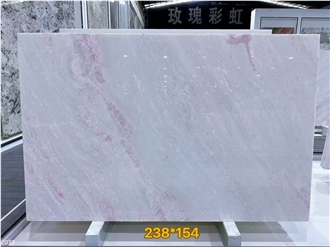
Namibian Rose Marble

Pink - Marble

Namibia

About

Item Details

Material Type:
Marble
Origin:
Namibia (Karibib region)
Primary Color(s):
Pink
Recommended Usage:
Kitchen and bathroom countertops, wash basins, building stone, ornamental stone, stairs, interior, exterior wall and floor applications, mosaic, waterjet pattern, wall panels, table tops, balustrades, columns, wall and pool copings, pool pavers, sculptures, fireplaces
Additional Names:
Desert Rose Marble, Namib Rose Marble, Namib Pink Marble, Desert Pink Marble, Namibian Rose Marble
Finished Surface:
Polished,Bush Hammered,Tumbled,Brushed,Honed,Split,Machine Cut,Natural Surface,Sandblasted,Combed,Leathered,Water Jet,Filled,Chiseled,Pickling

Testing

Water Absorption:
~0.25–0.30%
Density:
~2700 kg/m³
Flexural Strength:
10–13 MPa
Compressive Strength:
95–110 MPa

Description

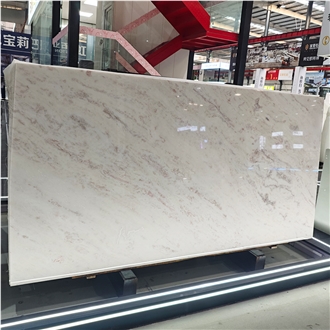
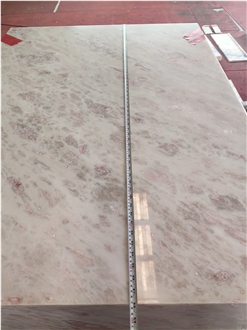
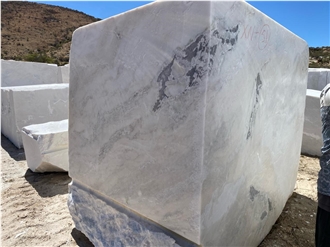
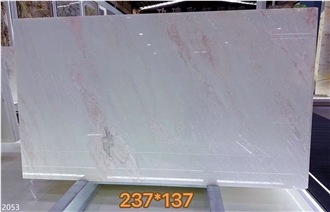
Namibian Rose Marble is a decorative and distinctive marble characterized by a white to creamy white background laced with dry rose pink shades, hues, and occasional veins. Its pastel pink tones are soft and refined, making it a favorite for luxury interiors. The color variations range from subtle blushes to more pronounced rose veining, often in flowing or cloudy patterns.

Texture & Pattern:

  • Grain: Fine to medium crystalline structure
  • Pattern: Irregular cloudy rose-pink veining or mottling over a creamy white background
  • Visual: Elegant, warm, and romantic; often compared to pink onyx but with the hardness and integrity of marble
  • Surface Feel: Smooth, takes polish well, appears luminous in polished finish

Chemical Composition (% by weight):

CaCO₃ (Calcium Carbonate)...96–98%

MgCO₃ (Magnesium Carbonate)...1–2%

SiO₂ (Silica)...<1%

Fe₂O₃ (Iron Oxide)...<0.5% (gives the pink hue)

Al₂O₃ (Aluminum Oxide)...Trace

Others...Trace minerals and oxides contributing to color variation

Mineralogical Composition:

  • Calcite...97–99%
  • Dolomite...<1–2%
  • Quartz, Feldspar, Mica...Trace
  • Iron-bearing minerals ...Present in minimal quantities (source of pink coloring)

Physical and Mechanical Properties:

  • Compressive Strength...95–110 MPa
  • Flexural Strength...10–13 MPa
  • Water Absorption...~0.25–0.30%
  • Bulk Density...~2700 kg/m³
  • Abrasion Resistance...~15–17 mm (ASTM C241)
  • Porosity...Low
  • Thermal Expansion...~5.2 × 10⁻⁶ /°C
  • Hardness (Mohs)...3 – 4 (typical for marble)

Usage:

Namibian Rose Marble is suitable for both interior and selective exterior applications (in mild climates or shaded areas).

Common uses include:

  • Interior Wall Cladding
  • Flooring (residential and low-traffic commercial areas)
  • Vanity Tops
  • Bathroom Walls
  • Bathtubs & Basins (sculpted)
  • Fireplaces
  • Decorative Panels and Feature Walls
  • Tabletops
  • Interior Stairs

Note: Outdoor use is limited due to potential UV fading of pink tones.

Maintenance:

Sealing recommended upon installation to protect from staining, especially in wet areas.

Use pH-neutral stone cleaners; avoid acidic or abrasive agents.

Dry dust mop or soft cloth cleaning is ideal.

Periodic resealing (every 1–2 years) depending on use intensity.

Available Sizes:

Tiles (cm/inch equivalents):

  • 30×30 cm (12"×12")
  • 60×30 cm (24"×12")
  • 60×60 cm (24"×24")
  • Custom sizes available on request

Slabs:

  • Standard thickness: 2 cm (¾") and 3 cm (1¼")
  • Slab dimensions: Typically 260–300 cm × 140–180 cm
  • Custom Cut-to-Size Products: Vanity tops, shower panels, basins, stair treads, risers, mosaics

Surface Finish Options:

  • Polished (high gloss, emphasizes rose tones)
  • Honed (matte, elegant finish for low glare)
  • Brushed (adds texture and antique look)
  • Leathered (soft, textured feel; enhances color depth)
  • Sandblasted or Tumbled (for rustic or aged effects)

Summary Highlights:

  • Color: White background with dry rose pink hues and cloudy veining
  • Finish: Takes polish beautifully
  • Aesthetic: Romantic, feminine, elegant
  • Applications: Interior luxury design, boutique hotels, bathrooms, and artistic installations

FAQ

Can Namibian Rose Marble be used exterior applications in cold climates?

Namibian Rose Marble is a natural stone known for its beauty and durability. It can be used for exterior applications in cold climates, but it is important to consider a few factors: 1. Freeze-thaw cycles: In cold climates, where temperatures fluctuate below and above freezing, the constant expansion and contraction of water can cause damage to the stone. It is advised to choose a marble variety with low water absorption and good freeze-thaw resistance. 2. Sealing: Properly sealing the marble is crucial to protect it from moisture penetration, staining, and freeze-thaw damage. Regular resealing may be necessary to maintain its performance. 3. Slip resistance: Marble can become slippery when wet, which can be a safety concern in exterior applications. Using the proper finish, such as a textured or honed surface, can help enhance slip resistance. 4. Maintenance: Regular cleaning and maintenance are necessary to preserve the beauty and integrity of the marble. Harsh chemicals and abrasive cleaning methods should be avoided. Overall, Namibian Rose Marble can be used for exterior applications in cold climates with proper precautions, including choosing the right variety, sealing, surface finish, and regular maintenance. It is advisable to consult with a professional stone supplier or installer to ensure the suitability of the marble for specific exterior applications.

Can Namibian Rose Marble be used in landscaping?

Yes, Namibian Rose Marble can be used in landscaping. It is often used in various outdoor applications such as pathways, patios, garden borders, or as decorative stone in gardens. Its unique pink color and distinctive veining can add a touch of elegance and natural beauty to outdoor spaces. However, it is important to note that marble is a softer stone compared to granite or quartzite, so it may require more maintenance and care to avoid scratching or staining.

Can Namibian Rose Marble be used in a office?

Yes, Namibian Rose Marble can be used in an office. Marble is a durable and stylish material often used for interior design purposes, including in office spaces. Namibian Rose Marble specifically has a light pink hue with unique veining patterns, giving it an elegant and sophisticated appearance. It can be used for various purposes in an office, such as countertops, flooring, wall cladding, and even decorative pieces. The use of Namibian Rose Marble can add a touch of luxury and warmth to an office environment.

What is the coefficient of friction of Filled Namibian Rose Marble tiles?

The coefficient of friction of Namibian Rose Marble tiles can vary depending on various factors such as the finish of the tile (polished, honed, etc.), the surface condition, and the presence of any coatings or sealants. However, in general, marble is known to have a relatively high coefficient of friction, which means it offers good traction and is less slippery compared to some other materials. The coefficient of friction for Namibian Rose Marble tiles typically ranges between 0.5 and 0.7. It is always best to consult the manufacturer or supplier for specific information regarding the coefficient of friction of a particular type of marble tile.

What grade is Namibian Rose Marble?

Namibian Rose Marble is typically considered to be a high-quality marble and is often used for luxury applications such as countertops, flooring, and wall cladding. However, marble grades can vary depending on factors such as color, veining, and overall quality. It is best to consult with a stone supplier or expert to determine the specific grade of Namibian Rose Marble you are referring to.

How thick is Namibian Rose Marble slabs?

The thickness of Namibian Rose Marble slabs can vary, but they are typically available in thicknesses of 2 centimeters (3/4 inch) or 3 centimeters (1 1/4 inch).

Can Namibian Rose Marble be used outdoors?

Namibian Rose Marble can potentially be used outdoors, but its durability and suitability will depend on various factors such as climate, surface finish, and maintenance. Marble is generally not as hard or dense as granite, making it more prone to weathering and deterioration when exposed to harsh outdoor conditions. However, if the marble is properly sealed and maintained, it can withstand outdoor usage with minimal damage. It is important to consult with a professional or supplier who can provide specific guidance and recommendations based on your location and intended use.

Are there color variations of Namibian Rose Marble?

Yes, there are color variations of Namibian Rose Marble. It typically comes in shades of pink, ranging from soft pink to deeper hues, but it can also have variations of veining in white, grey, or even brown tones. The exact colors and patterns can vary depending on the specific quarry and location within Namibia where the marble is sourced.

Is Namibian Rose Marble an expensive stone?

Yes, Namibian Rose Marble is considered an expensive stone due to its rarity and unique qualities. It is often used for high-end luxury projects in architecture and interior design. The price of Namibian Rose Marble can vary depending on the size and quality of the slab, as well as the location and supplier.

Customer reviews

Customer reviews

Write a Review
Ang**** South Africa

Where in SA I can get Desert rose marble tiles

Helpful (0) 0Reply
Jes**** United States

is this available for 4 slabs to ship to the united states?

Helpful (0) 0Reply

Products & Prices

View More

Hot Pink Marble

New Marble

Post Your Request

The request includes:
  1. surface finished, size
  2. quantity required