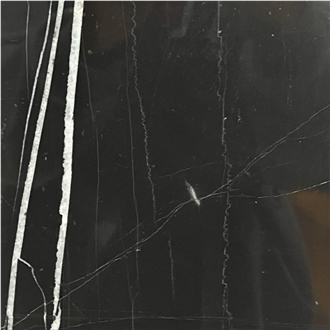
Negro Abanilla Marble is a distinctive and exquisite type of marble extracted from the Abanilla region in Murcia, Spain. Known for its varying shades from dark grey to deep black, this marble is celebrated for its occasional white to gold-colored veining, offering a sleek and sophisticated appearance. Here’s a comprehensive overview of its properties, composition, usage, maintenance, and finishing options:
Physical and Mechanical Properties
- Water Absorption: Approximately 0.18 - 0.4%
- Density: About 2.69 - 2.74 g/cm³
- Flexural Strength: Around 11 - 15 MPa
- Compressive Strength: Ranges between 120 - 140 MPa
- Hardness: Rated around 3-4 on the Mohs scale
- Porosity: Low, typically less than 1.5%
- Slip Resistance: Moderate slip resistance; specific values vary depending on surface finish.
Chemical and Mineral Composition (% by weight)
- Calcium Carbonate (CaCO3): Predominantly 90-95%
- Silica (SiO2): 1-3%
- Iron Oxides (Fe2O3): Less than 1%
- Alumina (Al2O3): Less than 1%
- Traces of other minerals: Including magnesium, which contributes to its color and veining characteristics.
Usage
Negro Abanilla Marble is versatile and popular in various architectural and design applications due to its durability and aesthetic appeal:
- Flooring: Ideal for upscale residential and commercial spaces.
- Wall Cladding: Provides an elegant and luxurious ambiance.
- Countertops: Suitable for kitchen and bathroom surfaces.
- Fireplace Surrounds: Adds a touch of sophistication and warmth.
- Staircases and Steps: Offers durability and aesthetic charm.
- Sculptures and Decorative Objects: Used for its fine grain and ability to be polished.
Maintenance
- Cleaning: Regular dusting with a soft cloth and cleaning with a mild, non-acidic cleaner.
- Sealing: Recommended sealing every 6-12 months to maintain surface integrity and appearance.
- Stain Prevention: Promptly clean any spills to prevent staining, especially acidic substances like lemon juice or wine.
- Polishing: Periodic professional polishing to maintain a high gloss finish.
Cutting Sizes (cm)
- Standard tiles: 30x30, 30x60, 60x60
- Slabs: Custom sizes available, typical slab sizes approximately 120x240 cm or larger.
- Custom Cuts: Available per project requirements, including intricate designs.
Surface Finish Options
- Polished: High gloss finish enhancing the marble's color and veining.
- Honed: A matte or satin finish with a smooth, velvety touch.
- Brushed: A textured finish providing slip resistance.
- Bush-Hammered: Rough textured surface for exterior paved areas.
- Antiqued: Provides an aged or weathered appearance.
Negro Abanilla Marble stands out for its dramatic beauty and robustness, making it a favored choice for various high-end architectural applications. Proper care and maintenance ensure its longevity and continued visual appeal, fitting both contemporary and classic design aesthetics.


 Spain

 Portugal


 Italy
 Tunisia

 Pakistan

 France

 China

 Myanmar


