Post Your Needs

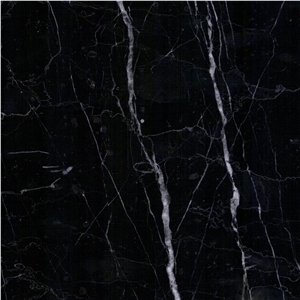
New Palissandro Blue Marble

Marble

China

About

Item Details

Material Type:
Marble
Origin:
China
Recommended Usage:
Kitchen and bathroom countertops, wash basins, building stone, ornamental stone, stairs, interior, exterior wall and floor applications, mosaic, waterjet pattern, wall panels, table tops, balustrades, columns, wall and pool copings, pool pavers, sculptures, fireplaces
Additional Names:
New Palissandro Nuvolato Marble, China Palissandro Blue Marble, Ink Wood Grain Marble, Blue Sands Marble, Blue Gray Sand Marble, China Palissandro Marble, in China Stone Market:蓝金沙(Lán Jīnshā)
Finished Surface:
Polished,Bush Hammered,Tumbled,Brushed,Honed,Split,Machine Cut,Natural Surface,Sandblasted,Combed,Leathered,Water Jet,Filled,Chiseled,Pickling

Testing

Water Absorption:
0.1 – 0.3%
Density:
2700 – 2730 Kg/m³
Flexural Strength:
10 – 14 MPa
Compressive Strength:
90 – 120 MPa

Description

New Palissandro Blue Marble exhibits elegant, serene blue and gray tones with linear or cloudy white and beige veining. The marble features soft blue and gray backgrounds, with veins that can appear as thin, linear patterns or more delicate, fluid cloudy patterns. The veining is typically white, bluish-grey, or semi-white, often accompanied by sparkling crystals that enhance its natural brilliance.

  • Texture: Fine to medium crystalline, smooth to touch, compact structure.
  • Pattern: Flowing linear or cloudy veining with natural variations in intensity, giving each slab a unique character.

Physical & Mechanical Properties

  • Mohs Hardness : 3 – 4
  • Density : 2.7 – 2.74 g/cm³
  • Water Absorption : 0.1 – 0.3%
  • Compressive Strength : 90 – 120 MPa
  • Flexural Strength : 10 – 14 MPa
  • Porosity : Low

Chemical & Mineral Composition

  • Calcite (CaCO₃)85 – 92%
  • Dolomite (CaMg(CO₃)₂)3 – 8%
  • Quartz1 – 3%
  • Minor Minerals (mica, feldspar, iron oxides)1 – 3%

The subtle sparkling effect is due to tiny crystal inclusions, mainly calcite and quartz, naturally embedded in the marble.

Usage & Applications

New Palissandro Blue Marble is ideal for luxury design and architectural projects, including:

  • Flooring: Residential, hotels, and commercial spaces
  • Wall Cladding & Feature Walls: Living rooms, lobbies, and reception areas
  • Countertops & Vanity Tops: Kitchens, bathrooms, and bars
  • Staircases & Risers: Elegant indoor stairs
  • Decorative Features: Columns, fireplace surrounds, furniture inlays

Maintenance & Care

  • Cleaning: Soft cloth with mild, pH-neutral soap and warm water. Avoid acidic or abrasive cleaners.
  • Sealing: Recommended for high-traffic areas and countertops to prevent stains.
  • Polishing: Maintains natural shine; avoid over-polishing which may cause slipperiness.
  • Protection: Use mats or rugs in high-traffic areas; avoid heavy impact.

FAQ

How can I repair the scratched surface of the New Palissandro Blue Marble steps?

Repairing scratches on New Palissandro Blue Marble steps involves several steps to restore their appearance. Heres a general guide to help you: 1. **Assess the Damage**: - Examine the scratches to determine their depth. Minor surface scratches can often be treated at home, while deeper scratches might require professional assistance. 2. **Clean the Surface**: - Use a pH-neutral stone cleaner and a soft cloth or sponge to clean the marbles surface. Ensure all dirt and debris are removed, as these can cause further scratching during the repair process. 3. **Buffing Minor Scratches**: - For light scratches, use a marble polishing powder, which is available at hardware or stone supply stores. Follow the product instructions for mixing and application. - Apply the polishing powder with a damp cloth or a low-speed polisher and gently work it into the scratched area in a circular motion. - Wipe away any residue with a clean, damp cloth and dry the area thoroughly. 4. **Sanding for Deeper Scratches**: - If the scratch is deeper, you might need to use fine-grit sandpaper (such as 1000-grit) or a diamond polishing pad. - Gently sand the scratched area in a circular motion. Only sand the scratched area to prevent creating new scratches. - After sanding, clean the area to remove any dust. 5. **Polish the Surface**: - After sanding out the deeper scratches, use a marble polishing compound to restore the marbles shine. Apply as per the product’s instructions. - Buff the area with a soft cloth, moving in circular motions to achieve a uniform finish. 6. **Seal the Marble**: - Once the surface is restored, consider applying a marble sealer to protect the surface from future scratches and stains. Follow the sealers instructions carefully. 7. **Maintain**: - Regularly clean and maintain the marble with appropriate products to prevent scratches and maintain its beauty. If the damage is extensive or if youre not comfortable performing the repair yourself, its best to hire a professional stone restoration specialist to ensure the marble is properly restored without additional damage.

Is New Palissandro Blue Marble with a polished surface good for house flooring?

New Palissandro Blue Marble with a polished surface can be a good choice for house flooring, but there are several factors to consider before making a decision: 1. **Aesthetic Appeal**: This type of marble is known for its striking blue and grey veins, which can create a luxurious and unique look in your home. 2. **Durability**: Marble is generally durable and can last for many years if properly maintained. However, it is softer than some other natural stones like granite and can be prone to scratches and etching from acidic substances. 3. **Maintenance**: Polished marble requires regular maintenance to keep its shine. This includes frequent cleaning with pH-neutral cleaners and periodic sealing to prevent stains and etching. 4. **Slip Resistance**: Polished surfaces can be slippery, especially when wet, which may be a consideration for safety, especially in areas like bathrooms or kitchens. 5. **Cost**: High-quality marble can be expensive, both in terms of initial purchase and installation. 6. **Climate Suitability**: Marble can be cold underfoot, so if you live in a colder climate, you might want to consider underfloor heating. 7. **Environmental Impact**: If sustainability is a concern, consider the environmental impact of quarrying and transporting marble. Its important to weigh these factors and assess whether the aesthetic and functional benefits of New Palissandro Blue Marble suit your homes design and your lifestyle needs. Additionally, consulting with a professional installer or interior designer can provide valuable insights tailored to your specific situation.

Is New Palissandro Blue Marble a suitable choice for gravestones?

New Palissandro Blue Marble can be a suitable choice for gravestones, but there are several considerations to take into account: 1. **Aesthetics**: This type of marble is known for its attractive blue tones with distinctive veining, which can provide a unique and elegant appearance for a gravestone. 2. **Durability**: Marble is generally softer and more porous than granite, which is the most common material for gravestones due to its durability. While New Palissandro Blue Marble might be suitable for gravestones, particularly in climates that arent prone to extreme weather, it may not be as long-lasting as harder stones like granite. 3. **Maintenance**: Marble can be more susceptible to weathering and staining over time, requiring more maintenance to preserve its appearance. Regular cleaning and sealing can help mitigate these effects, but this might be a consideration for those looking for a low-maintenance option. 4. **Cost**: Marble is often more expensive than other materials. Its important to consider the budget for the gravestone and compare it to other available materials that might offer better durability. 5. **Cultural and Personal Preferences**: Some people may have cultural or personal reasons for choosing marble or a specific type of stone, which can be an important factor in decision-making. If New Palissandro Blue Marble aligns with your requirements aesthetically and financially, and you are prepared for the potential maintenance, it can be a beautiful and meaningful choice for a gravestone. However, it is always wise to consult with stone suppliers and cemetery regulations to ensure that it is a practical option for your needs.

How can I remove mold from New Palissandro Blue Marble wall tiles?

Removing mold from New Palissandro Blue Marble wall tiles requires careful attention to avoid damaging the marble surface. Here’s a step-by-step guide to safely clean the mold: 1. **Gather Supplies:** - Mild dish soap - Warm water - Soft cloths or sponges - Soft-bristled brush or toothbrush - Microfiber cloth - Marble cleaner (optional) - Protective gear (gloves, mask, and goggles) 2. **Preparation:** - Ensure the area is well-ventilated by opening windows or using fans. - Put on protective gear to avoid inhaling mold spores. 3. **Make a Cleaning Solution:** - Mix a few drops of mild dish soap with warm water in a bucket or spray bottle. Avoid acidic or abrasive cleaners like vinegar or bleach as they can etch the marble surface. 4. **Test on a Small Area:** - Before applying the solution to the entire area, test it on a small, inconspicuous area of the tile to ensure it does not cause damage. 5. **Apply the Solution:** - Spray or gently apply the soapy water onto the moldy areas. Allow it to sit for about 5-10 minutes to loosen the mold. 6. **Scrub Gently:** - Use a soft-bristled brush or a toothbrush to gently scrub the mold. Avoid using hard bristles or scrubbing too vigorously to prevent scratching the marble. 7. **Rinse Thoroughly:** - Use a clean, damp cloth or sponge to wipe away the soap solution. Make sure to remove all traces of soap to avoid water spots. 8. **Dry the Surface:** - Wipe the area dry with a microfiber cloth to prevent water from lingering on the marble, which could cause further mold growth. 9. **Use a Marble Cleaner (Optional):** - For added protection, you can apply a marble-specific cleaner according to its instructions. This can help maintain shine and provide a protective barrier against mold. 10. **Prevent Future Mold Growth:** - Ensure the area is well-ventilated and dry, especially in bathrooms or kitchens, to prevent mold from returning. Consider using a dehumidifier in areas prone to humidity. If the mold persists despite these efforts, or if you’re dealing with a large, severe infestation, it may be best to consult a professional cleaner who specializes in marble surfaces.

Does New Palissandro Blue Marble mosaic need to be sealed?

Yes, New Palissandro Blue Marble mosaic should be sealed. Marble is a natural stone that is porous and can absorb liquids, which may lead to staining and potential damage. Sealing helps protect the marble from moisture, spills, and stains, preserving its appearance and extending its lifespan. Its generally recommended to seal marble tiles both after installation and periodically over time as part of routine maintenance. Be sure to use a high-quality stone sealer specifically designed for marble, and follow the manufacturers instructions for the best results.

How can I clean New Palissandro Blue Marble wall mosaic tiles?

Cleaning New Palissandro Blue Marble wall mosaic tiles requires some care to maintain their natural beauty and prevent damage. Here’s a step-by-step guide to help you clean and maintain them: 1. **Gather Supplies:** - Soft cloths or microfiber towels - A mild pH-neutral cleaner or a stone-specific cleaner - A soft-bristled brush or sponge - Warm water - Bucket - Stone sealer (optional, for more intensive maintenance) 2. **Dust and Remove Loose Dirt:** - Use a dry microfiber cloth or a soft duster to remove any loose dust and dirt from the surface of the tiles. This prevents scratching during the cleaning process. 3. **Prepare Cleaning Solution:** - Mix a small amount of a pH-neutral cleaner with warm water in a bucket. Avoid acidic or abrasive cleaners, as they can etch or damage the marble. Stone-specific cleaners are often a safe choice. 4. **Clean the Tiles:** - Dip a soft cloth or sponge into the cleaning solution and wring it out well. - Gently wipe down the tiles, using the soft-bristled brush for any areas with grime or stains. - Be careful not to scrub too hard, as marble is a soft stone that can scratch easily. 5. **Rinse Thoroughly:** - After cleaning, rinse the area with clean, warm water to remove any soap residue. Soap residue can dull the marble’s finish over time. 6. **Dry the Surface:** - Use clean, dry microfiber towels to dry the tiles immediately after rinsing. This prevents water spots and streaks from forming on the marble’s surface. 7. **Seal the Marble (Optional):** - To provide extra protection, especially in moisture-prone areas like bathrooms or kitchens, consider applying a stone sealer. Follow the instructions on the sealer product for the best results. 8. **Regular Maintenance:** - Regularly dust and wipe the tiles with a soft, dry cloth. - Promptly clean up any spills, as marble is porous and can stain easily. - Use mats or rugs to protect floors where necessary, and consider using coasters under items that can stain or etch marble, like juice, wine, or vinegar. By handling the marble tiles gently and using the right products, you can keep your New Palissandro Blue Marble wall mosaic tiles looking beautiful for years to come.

How can I clean the grout of New Palissandro Blue Marble wall tiles?

Cleaning the grout of New Palissandro Blue Marble wall tiles requires care to preserve the marbles natural beauty. Here’s a step-by-step guide on how to do it effectively: 1. **Gather Supplies:** - pH-neutral stone cleaner or a gentle dish soap - Soft-bristle brush or an old toothbrush - Microfiber cloths or soft towels - Warm water - Baking soda (optional for stubborn stains) - Hydrogen peroxide (optional for tougher stains, but test first) - Spray bottle (optional) 2. **Prepare the Cleaning Solution:** - Mix a small amount of pH-neutral stone cleaner with warm water according to the products instructions. Alternatively, use a few drops of gentle dish soap mixed with water. 3. **Pre-Clean the Surface:** - Wipe down the marble tiles with a damp microfiber cloth to remove any surface dust and debris. 4. **Apply the Cleaning Solution:** - Use a spray bottle to apply the cleaning solution directly onto the grout or dip a soft brush into the solution. 5. **Scrub the Grout:** - Gently scrub the grout lines with the soft-bristle brush or toothbrush. Avoid using excessive force as this can damage the marble. 6. **Rinse Thoroughly:** - Wipe the grout and tiles with a clean, damp microfiber cloth to remove any cleaning residue. 7. **Dry the Surface:** - Use a dry microfiber cloth or towel to buff and dry the marble tiles and grout completely. 8. **Handling Stubborn Stains:** - For tougher stains on grout, make a paste of baking soda and water and apply it to the grout lines. Let it sit for about 5–10 minutes, then gently scrub and rinse. - For very tough, deep stains, you can try lightly scrubbing with hydrogen peroxide applied to a cloth or brush. However, always test this in an inconspicuous area first to ensure it doesn’t discolor the marble. 9. **Maintain Regular Cleaning:** - Regularly clean your marble and grout to prevent build-up and stains. Use only products safe for natural stone. 10. **Sealing the Grout:** - Consider sealing the grout lines after they are thoroughly clean and dry to protect them from future stains. Always test any cleaning solution on a small, inconspicuous area first to ensure that it does not damage or discolor the marble. Avoid using acidic or harsh cleaning products like vinegar, bleach, or conventional bathroom cleaners, as these can damage marble surfaces.

I have a New Palissandro Blue Marble tabletop with a vein that looks broken. Should I glue it?

If you notice what appears to be a broken vein or crack in your New Palissandro Blue Marble tabletop, its important to assess the situation carefully before proceeding with any repairs. Here are some steps you can take: 1. **Examine the Damage:** Determine if the vein that looks broken is indeed a crack affecting the structural integrity of the tabletop. Sometimes, natural veins can have variations that look like cracks but are actually part of the stones natural pattern. 2. **Check Stability:** Gently press around the area to see if there is any movement or weakness. If the marble feels unstable, it may need repair to prevent further damage. 3. **Cleaning the Area:** Before attempting any repair, clean the affected area with a soft, damp cloth to remove debris or dust. Ensure the area is completely dry before proceeding with any adhesive. 4. **Decide on Repair:** If it is a minor surface crack and not impacting the structural support of the table, using a suitable epoxy adhesive or marble repair kit can seal the crack and restore its appearance. 5. **Professional Help:** For larger or structural cracks, its best to consult a professional stone restoration expert. They can assess the damage and use the appropriate techniques and materials to repair the marble without compromising its integrity or appearance. 6. **Regular Maintenance:** After repairs, ensure regular maintenance of your marble tabletop, including using coasters and promptly cleaning spills to preserve its beauty. Using the correct approach to repairs can help maintain the aesthetic appeal and functionality of your marble tabletop.

Products & Prices

View More

Hot Marble

New Marble

Post Your Request

The request includes:
  1. surface finished, size
  2. quantity required