Post Your Needs

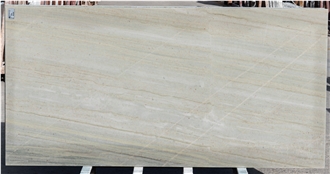
New Spring Marble

Marble

China

About

Item Details

Material Type:
Marble
Origin:
China
Recommended Usage:
Kitchen and bathroom countertops, wash basins, building stone, ornamental stone, stairs, interior, exterior wall and floor applications, mosaic, waterjet pattern, wall panels, table tops, balustrades, columns, wall and pool copings, pool pavers, sculptures, fireplaces
Additional Names:
Spring Green Marble, Southern New Green Marble, in China stone market:南国新绿(Nán guó xīn lǜ)
Finished Surface:
Polished,Bush Hammered,Tumbled,Brushed,Honed,Split,Machine Cut,Natural Surface,Sandblasted,Combed,Leathered,Water Jet,Filled,Chiseled,Pickling

Testing

Water Absorption:
0.22–0.30%
Density:
2670 kg/m³
Flexural Strength:
13–15 MPa
Compressive Strength:
122–145 MPa

Description

New Spring Marble is an elegant and distinctive natural stone quarried in China, admired for its unique blend of white, green, and beige tones that come together in a wood grain-like pattern. This harmonious interplay of colors and linear movement gives the marble a serene and organic appearance, reminiscent of natural landscapes and flowing textures.

Texture and Pattern

New Spring Marble exhibits a fine to medium crystalline texture with smooth grain transitions. The linear and wavy veins mimic the look of natural wood fibers, while subtle gradients of green and beige add warmth and visual depth. The surface can be finished to emphasize either its natural luster or its tactile, rustic charm.

Physical and Mechanical Properties

  • Density: ~2,670 kg/m³
  • Compressive Strength: 122–145 MPa
  • Flexural Strength: 13–15 MPa
  • Water Absorption (by weight): 0.22–0.30%
  • Porosity: Low to moderate
  • Hardness (Mohs): 3–4

These properties make New Spring Marble both durable and workable, suitable for a wide range of interior applications.

Chemical and Mineral Composition (% by weight)

  • Calcite (CaCO₃): 92–95%
  • Quartz (SiO₂): 2–3%
  • Mica & Serpentine minerals: 1–2%
  • Iron Oxides (Fe₂O₃): <1%
  • Magnesium Carbonate (MgCO₃): ~1%

The predominance of calcite gives the marble its characteristic softness and polishability, while traces of serpentine and iron oxide contribute to its green and beige tones.

Usage

New Spring Marble is ideal for both residential and commercial interior design, including:

  • Wall and floor cladding
  • Bathroom vanity tops and shower walls
  • Fireplace surrounds
  • Staircases and thresholds
  • Decorative elements and tabletops

Its unique wood-grain aesthetic makes it especially popular in modern minimalist and nature-inspired designs.

Maintenance

Regular cleaning with a pH-neutral stone cleaner is recommended. Avoid acidic substances to prevent etching. Periodic sealing helps protect against staining and enhances longevity, especially in wet or high-traffic areas.

Cutting Sizes (cm)

  • Slabs: 240–300 × 120–180 cm
  • Tiles: Standard sizes include 30×30, 30×60, 60×60, 60×120 cm
  • Custom cut-to-size: Available upon request

Surface Finish Options

  • Polished: For a high-gloss, reflective surface
  • Honed: Smooth, matte finish with soft light reflection
  • Leathered: Textured and tactile, enhancing natural veining
  • Sawn Cut: Natural and slightly rough surface
  • Bush Hammered or Tumbled: For outdoor or rustic applications

Overall, New Spring Marble combines the tranquil beauty of natural wood with the refined durability of stone, making it a versatile and sophisticated choice for luxury interiors and architectural statements.

FAQ

Can New Spring Marble be used for a fireplace mantel?

New Spring Marble can certainly be used for a fireplace mantel. Marble is a popular choice for mantels because of its durability, heat resistance, and elegant appearance. However, its important to consider a few factors before proceeding: 1. **Heat Resistance:** Marble is generally heat-resistant, but it can still be susceptible to thermal shock if exposed to extreme temperature changes. Ensure that the fireplace design minimizes direct flame contact with the marble. 2. **Maintenance:** Marble requires regular maintenance to keep it looking its best. It can stain or etch if exposed to acidic substances, so sealing the marble and cleaning it properly is important. 3. **Weight:** Marble is heavy, so you’ll need to ensure that your mantel’s structure can support the weight. 4. **Aesthetic Considerations:** Marble offers a range of colors and patterns. New Spring Marble should be considered in terms of how well it matches your overall interior design. 5. **Cost:** Marble can be more expensive than other materials, so budget accordingly. Consult with a professional to ensure that it is properly installed and that all safety considerations are taken into account.

Can New Spring Marble be used for a commercial bar top?

Yes, New Spring Marble can be used for a commercial bar top, but there are several factors to consider. Marble is a natural stone that offers a beautiful and elegant appearance, but it may not be the most practical choice for all commercial environments due to its characteristics: 1. **Durability**: Marble is softer than other stones like granite, which makes it more prone to scratches and etching, especially in a high-traffic area like a bar. 2. **Staining**: Marble is more porous than some other stone options, so it can absorb spills and stain easily if not sealed properly and regularly maintained. 3. **Maintenance**: To keep a marble bar top looking its best, it will require regular sealing and careful cleaning to prevent damage from acidic substances such as citrus juices or alcohol. 4. **Aesthetics**: Marble offers a timeless and luxurious look, which could elevate the ambiance of the bar. New Spring Marble, if it has a unique or striking pattern, can be a focal point. 5. **Cost**: Marble can be more expensive than other materials, both in terms of initial cost and maintenance. If you decide to use New Spring Marble for a commercial bar top, proper care and maintenance will be crucial to ensure its longevity and appearance. Consider whether the aesthetic and ambiance benefits outweigh the potential for more frequent upkeep and repairs.

Can New Spring Marble be used for kitchen countertop?

New Spring Marble can be used for kitchen countertops, but there are several factors to consider before making a decision. Marble is a natural stone that offers a timeless and elegant look, and New Spring Marble, with its specific veining and color pattern, can add unique beauty to a kitchen. However, there are certain advantages and disadvantages: ### Advantages: 1. **Aesthetic Appeal:** Marble has a classic and luxurious appearance that can enhance the visual appeal of your kitchen. 2. **Heat Resistance:** Marble is generally heat resistant, so it can handle hot pots and pans to some extent, but its still recommended to use trivets. ### Disadvantages: 1. **Porosity:** Marble is quite porous and can easily absorb liquids, leading to stains if not properly sealed. This can make it high maintenance compared to other materials like granite or quartz. 2. **Susceptibility to Scratches and Etching:** Marble is softer than other countertop materials and can be prone to scratches. Acidic substances, like lemon juice or vinegar, can cause etching on the surface. 3. **Maintenance:** Regular sealing is required to maintain the appearance and durability of the surface. ### Conclusion: If you are willing to commit to regular maintenance and are cautious about spills and potential scratches, New Spring Marble can be a beautiful choice for a kitchen countertop. However, if you prefer a low-maintenance and highly durable option, you might consider other materials like quartz or granite.

How can I repair the scratched surface of the New Spring Marble countertop?

Repairing a scratched marble countertop involves a few careful steps to ensure that the surface is restored without causing additional damage. Here are some steps you can follow to repair scratches on your marble countertop: 1. **Assessment:** Examine the scratches closely. Light scratches can often be fixed at home, while deeper gouges may require professional attention. 2. **Cleaning:** Clean the area around the scratches with warm water and a few drops of mild dish soap. Use a soft cloth or sponge to remove any dust or debris. Rinse thoroughly and dry the area with a soft towel. 3. **Buffing Light Scratches:** If the scratches are light and superficial: - Use a marble polishing powder, which you can purchase from a hardware store or online. Follow the instructions on the packaging. - Apply the powder to the scratched area. - With a damp cloth, gently buff the area in circular motions. - Continue buffing until the scratches diminish. - Rinse off any remaining polishing powder and dry the area with a soft towel. 4. **Sanding for Deeper Scratches:** For deeper scratches, a bit more effort is required: - Start with a fine-grit sandpaper (at least 600-grit) and sand the scratched area gently, moving to slightly coarser grits if needed. - Always sand in a circular motion, ensuring that youre applying gentle, even pressure. - Once the scratch starts to fade, switch to a finer grit sandpaper (up to 1200-grit) to smooth the surface. 5. **Polishing:** After sanding, clean the surface again to remove any dust. Then, apply a marble polish or marble polishing powder to restore the shine. Use a soft cloth and buff in a circular motion. 6. **Sealing:** Marble is porous, so sealing it will help prevent future scratches and stains. Apply a marble sealer according to the manufacturers instructions after polishing. 7. **Professional Help:** If the scratches are too deep or if you’re not getting the desired results, it might be best to consult a professional for repair. Always test any product or sandpaper on a small, inconspicuous area first to ensure it doesn’t damage the marble further. Regular maintenance, such as using cutting boards and wiping up spills immediately, can help preserve your marble countertop and prevent scratches.

Does red wine stain the surface of a New Spring Marble kitchen countertop?

Yes, red wine can stain the surface of a New Spring Marble kitchen countertop. Marble is a porous natural stone, which means it can absorb liquids that come into contact with its surface. The pigments in red wine can seep into the pores of the marble and cause staining. To prevent staining, its important to clean up spills immediately and seal the marble regularly to create a protective barrier. If a stain does occur, you may need to use a poultice or a specialized marble cleaner to try and remove it. Regular maintenance and prompt action are key to keeping your marble countertop looking its best.

Is New Spring Marble mosaic flooring slippery for bathroom use?

New Spring Marble mosaic flooring can be slippery when wet, which is a common characteristic of most marble surfaces. However, the level of slipperiness can depend on several factors, including the finish of the marble, the size of the tiles, and the grout lines in the mosaic. 1. **Finish**: Polished marble tends to be more slippery than honed or tumbled finishes. If the marble mosaic has a honed finish, it will generally be less slippery than a polished one. 2. **Tile Size and Grout Lines**: Mosaic tiles are generally smaller and contain more grout lines compared to larger tiles. The grout lines can provide additional grip and traction, potentially reducing the slipperiness of the surface. 3. **Sealant**: Proper sealing can help protect the marble from water penetration but might not significantly affect slipperiness. Some sealers can provide slip resistance, so consider a sealer with this property if slip resistance is a concern. 4. **Usage**: Pay attention to the usage of rugs or mats in the bathroom to reduce slip risks, especially around areas like the shower or bathtub. Always consider the specific environment and the presence of water in bathroom scenarios. Its wise to consult with a flooring specialist to determine the best type and finish of marble for your bathroom needs, especially focusing on slip resistance.

How can I give New Spring Marble tiles an antique look?

To give New Spring Marble tiles an antique look, you can use several techniques to achieve a desired patina and character. Here are some methods you might consider: 1. **Acid Washing**: This involves using a mild acid solution, such as diluted hydrochloric or muriatic acid, to etch the surface of the marble slightly. This creates a weathered appearance. Its crucial to follow safety guidelines and neutralize the acid with water and baking soda afterward. 2. **Sanding and Buffing**: Use sandpaper or a sanding machine with a coarse grit to wear down the marble surface. Follow with finer grit sandpaper for a smooth finish. This simulates wear from foot traffic over time. 3. **Tumbling**: This process involves placing the marble tiles in a rotating drum with abrasive materials like sand or small stones. Tumbling the tiles roughens the edges and softens the surface, giving it a naturally aged appearance. 4. **Staining**: Apply a stone stain to the marble. Concentrate on areas that would typically wear over time, such as corners and edges. After applying, gently wipe and blend the stain with a rag to avoid blotchy results. 5. **Wax and Polish**: Use a tinted wax designed for stone surfaces to add an aged look. Apply the wax evenly, let it dry, and then buff it out to a subtle shine. This will also protect the marble. 6. **Tea or Coffee Stain**: You can use brewed tea or coffee as a natural stain. Apply it with a brush or sponge and let it sit until you reach the desired color intensity. Thoroughly rinse and dry afterward. 7. **Patina Enhancers**: Products specifically designed to enhance natural stone patios can add depth and richness, mimicking the hues and textures of antique marble. Always test your chosen method on a small, inconspicuous area or a spare tile to ensure the results are to your liking before applying it to a larger area. Additionally, wearing appropriate protective gear and ensuring good ventilation is important when working with chemicals and dust.

Products & Prices

Hot Marble

New Marble

Post Your Request

The request includes:
  1. surface finished, size
  2. quantity required