Post Your Needs

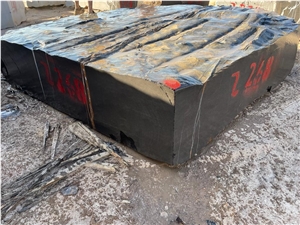
Noir Aziza Marble

Black - Marble

Tunisia

About

Item Details

Material Type:
Marble
Origin:
Tunisia (Jebel Aziz Mountains, El Fahs, Zaghwān)
Primary Color(s):
Black
Recommended Usage:
Kitchen and bathroom countertops, monuments, building stone, ornamental stone, stairs, interior, exterior wall and floor applications, mosaic, waterjet pattern, balustrades, fireplaces surround, columns, wall panels, table tops
Additional Names:
Marbre Noir Aziza, Marmo Nero Tunisi, Black Aziza Marble, Marbre Noir Gris Aziza, Nero Aziza Marble, Negro Aziza Marble, Nero Dorato Marble, Sahara Noir Marble, Sahara Black Marble, Lauren Black Gold Marble, Nero Laurent Black Gold Marble, in China stone market:劳伦黑金(láo lún hēijīn), Noir Aziza, Noir Aziza Marble
Finished Surface:
Polished,Bush Hammered,Tumbled,Honed,Split,Machine Cut,Natural Surface,Sandblasted,Acid Washing,Combed,Leathered,Water Jet,Filled,Chiseled,Pickling

Testing

Water Absorption:
0.4 % by weight
Density:
2720 kg/m3
Compressive Strength:
72.108 MPa

Description

Noir Aziza Marble, also known as Marmo Nero Tunisi, Sahara Black Marble or Black Aziza Marble, is an exquisite and luxurious natural stone quarried in the Jebel Aziz Mountains, El Fahs, Zaghwān, Tunisia. This marble is highly esteemed for its deep black background and striking white or gold straight veins that elegantly traverse its surface, creating a captivating and dramatic appearance.

The dominant color of Noir Aziza Marble is a deep and rich black, which exudes sophistication and opulence. The black background provides a dramatic canvas for the contrasting veins, allowing them to stand out prominently and create a stunning visual impact.

The veins in Noir Aziza Marble come in two distinct varieties: white and gold. The white veins create a striking contrast against the black backdrop, resembling bold brushstrokes of paint on a canvas. On the other hand, the gold veins add a touch of luxury and warmth, evoking a sense of extravagance and refinement.

The straight and linear nature of the veins adds to the marble's elegance, creating a sense of order and harmony in the stone's design. The veins create a sense of movement and direction, giving the marble a dynamic and captivating character.

The polished finish of Noir Aziza Marble enhances its inherent luster, reflecting light and adding to the stone's captivating presence. The glossy surface contributes to a sense of brightness and luminosity, making the marble even more visually striking.

Noir Aziza Marble is often used in high-end interior applications, including countertops, flooring, wall cladding, and luxurious decorative accents. Its deep black color and contrasting veins make it a favored choice among architects and designers seeking to create an air of sophistication and drama in their projects.

As a product of Tunisia's Jebel Aziz Mountains, Noir Aziza Marble carries with it a sense of authenticity and regional pride. Its deep black background with white or gold straight veins make it a luxurious and cherished choice, infusing any space with a touch of timeless beauty and refined elegance.

Mineralogical Composition, % wt:

  • Calcite: 88%
  • Dolomite: 5%
  • Serpentine: 2%
  • Quartz: 3%
  • Other minerals: 2%

FAQ

What makes Noir Aziza Marble sparkle?

Noir Aziza Marble is a type of marble that naturally possesses a glittering and sparkling appearance. The sparkles in this type of marble are primarily caused by the presence of minerals within the stone, such as muscovite, quartz, or mica. These minerals can reflect light and create a shimmering effect, resulting in the sparkle seen in Noir Aziza Marble. Additionally, certain finishes or treatments applied to the marbles surface can enhance its natural sparkle and luminosity.

Can Noir Aziza Marble terrace be waterproofed?

The Noir Aziza Marble terrace can be waterproofed using various methods and products. One way to waterproof the terrace is by applying a penetrating sealer that will fill the pores of the marble and create a protective barrier against water absorption. Its important to choose a sealer specifically designed for marble to ensure it doesnt alter the appearance of the stone. Additionally, regular maintenance and reapplication of the sealer may be required to maintain the waterproofing effect. Its advisable to consult with a professional or marble specialist for the best waterproofing options for your specific terrace.

Does olive oil stain Noir Aziza Marble?

No, olive oil does not typically stain Noir Aziza Marble. However, it is always recommended to avoid leaving any oily or acidic substances on marble surfaces for prolonged periods as they can potentially cause discoloration or etching. If any spills occur, it is best to clean them up promptly to prevent any potential stains.

How do I waterproof Noir Aziza Marble floor?

To waterproof Noir Aziza Marble floor, you can follow these steps: 1. Clean the floor: Start by thoroughly cleaning the floor to remove any dirt, dust, or debris. Use a broom or vacuum cleaner to remove loose particles, and then mop the floor with a mild, pH-neutral cleaner. Rinse the floor with clean water and let it dry completely. 2. Test the absorption: Before applying any waterproofing product, it is essential to test the absorption of the marble. Pour a small amount of water on the surface and observe how quickly it is absorbed. If the water is quickly absorbed, the marble will require more than one coat of waterproofing solution. 3. Choose a waterproofing product: There are various types of waterproofing products available for natural stone surfaces, such as impregnating sealers or topical sealers. It is recommended to select a high-quality, penetrating sealer specially designed for marble surfaces. 4. Apply the sealer: Follow the manufacturers instructions for the sealer you have chosen. Generally, apply the sealer evenly using a soft brush or a roller. Make sure to cover the entire surface and pay attention to high-traffic areas. Leave the sealer on the floor for the recommended amount of time specified by the manufacturer. 5. Remove excess sealer: After the recommended time, check if there is any excess sealer left on the surface. If so, gently wipe it off using a clean, lint-free cloth or sponge. Make sure to remove all residues before the sealer dries. 6. Allow curing and drying time: After applying the sealer, let it cure and dry for the time specified by the manufacturer. It is essential to avoid any foot traffic or water contact during this period to ensure proper sealing. 7. Repeat if necessary: Some marbles may require multiple coats of sealer to achieve optimal waterproofing. If the water absorption test from step 2 indicated poor resistance, it might be necessary to repeat the sealing process with additional coats of the sealer. Remember to follow the specific instructions provided by the sealer manufacturer as different products may have slight variations in the application process. Additionally, regular maintenance with pH-neutral cleaners and avoiding harsh chemicals will help maintain the waterproofing and extend the life of the seal.

Does sealing Noir Aziza Marble make it shiny?

Sealing Noir Aziza Marble can help enhance its natural color and provide some level of shine, but it may not necessarily make it extremely shiny. The level of shine obtained after sealing will depend on factors such as the quality of the sealer and the polishing done before sealing. To achieve a high shine, additional polishing and buffing may be required after sealing.

How do I know if my Noir Aziza Marble is sealed?

There are a few ways you can determine if your Noir Aziza Marble is sealed or not: 1. Water Test: Pour a small amount of water (about 1 inch in diameter) onto the surface of the marble. Leave it for 10-15 minutes and then wipe it off. If the water leaves a dark or discolored spot on the marble, it means that the surface is porous and the sealant may have worn off or was never applied. 2. Absorption Test: Place a few drops of water onto the marble surface. If the water is absorbed by the marble within 10-15 minutes, it indicates that the stone is not sealed. 3. Visual Inspection: Look closely at the surface of the marble. If you notice any signs of discoloration, stains, or etching, it may be an indication that the marble is not properly sealed. Its important to note that natural stones like marble can vary in their porosity, so it may be beneficial to periodically reseal the surface to maintain its protection. If you are unsure about the sealant, it is recommended to consult with a professional stone care expert who can assess the condition of your marble and provide appropriate guidance.

Does baking soda whiten Noir Aziza Marble?

Baking soda might be effective in removing discoloration and stains from Noir Aziza Marble, but it is always recommended to test a small, inconspicuous area first to ensure it doesnt cause any damage or negative reactions. Additionally, marble is a delicate material, and using abrasive substances like baking soda may cause scratching or etching on the surface. It is generally best to consult with a professional or the manufacturer of the marble for recommended cleaning methods and products for whitening and maintaining it.

Can I drill Noir Aziza Marble countertop myself?

It is possible to drill a Noir Aziza Marble countertop yourself, but it requires special tools, knowledge, and skills to do it properly. Marble is a delicate and prone-to-cracking material, so drilling it without the necessary experience can cause damage to the countertop. If you are not familiar with working with marble or drilling into stone, it is recommended to hire a professional to do the job. They have the expertise, tools, and techniques to ensure that the drilling is done without compromising the integrity of the countertop.

Can I seal Noir Aziza Marble countertop myself?

Yes, you can seal Noir Aziza Marble countertop yourself using a marble sealer. Sealing helps protect the marble from staining and etching. Here is a step-by-step guide on how to seal your marble countertop: 1. Clean the countertop: Before sealing, make sure the surface is clean and free of any dirt, grease, or spills. You can use a mild detergent and water to clean the countertop, and then dry it completely. 2. Choose the right sealer: Select a marble sealer that is suitable for Noir Aziza Marble. Read the instructions on the sealer carefully before applying. 3. Test the sealer: Before applying the sealer to the entire countertop, it is recommended to test it on a small, inconspicuous area to ensure it does not discolor or damage the marble. 4. Apply the sealer: Pour a small amount of sealer onto the countertop and use a soft cloth or brush to evenly distribute it over the surface. Make sure to cover the entire area, including edges and corners. Avoid applying excess sealer, as it may leave a residue. Allow the sealer to sit on the countertop for the recommended time specified by the manufacturer. 5. Wipe off excess sealer: After the recommended time, use a clean, dry cloth or paper towel to wipe off any excess sealer. Make sure there are no streaks or residue left on the surface. 6. Allow it to dry: Let the sealer dry completely according to the manufacturers instructions before using the countertop. This typically takes a few hours or overnight. 7. Apply another coat (optional): If desired, you can apply another coat of sealer after the first coat has dried. This can provide an additional layer of protection. Remember to regularly clean and maintain your marble countertop according to the manufacturers recommendations to ensure its longevity and beauty.

Does lemon juice stain Noir Aziza Marble countertop?

Lemon juice can potentially stain Noir Aziza Marble countertops if left on the surface for an extended period of time. This is due to the acidic nature of lemon juice, which can react with the calcium carbonate present in marble and cause etching or discoloration. It is advisable to promptly clean up any spills or drips of lemon juice on marble surfaces to prevent stains or damage.

Products & Prices

View More

Hot Black Marble

New Marble

Post Your Request

The request includes:
  1. surface finished, size
  2. quantity required