Post Your Needs

Northland Cedar Marble

Marble

China

About

Item Details

Material Type:
Marble
Origin:
China (Suizhou City, Hubei Province)
Recommended Usage:
Kitchen and bathroom countertops, monuments, building stone, ornamental stone, stairs, interior, exterior wall and floor applications, mosaic, waterjet pattern, wall panels, table tops, window sills, balustrades, columns, wall and pool copings, pool pavers, sculptures, fireplaces
Additional Names:
China Calacatta Green Marble, Panda Green Marble, Irish Green Marble, Connemara Marble, Jade Green Marble, Sea Green Marble, Northern Snow Cedar Marble, Tianshan Jade Marble, Northern Spring Marble, in China stone market: 天山翡翠(Tiān Shān Fěi Cuì), 北国雪松(Běi Guó Xuě Sōng), 北国之春 (Běiguó Zhī Chūn), Northland Cedar Marble
Finished Surface:
Polished,Bush Hammered,Tumbled,Brushed,Honed,Split,Machine Cut,Natural Surface,Sandblasted,Combed,Leathered,Water Jet,Filled,Chiseled,Pickling

Testing

Water Absorption:
0.2 – 0.35 % by weight
Density:
2700 – 2730 Kg/m³
Flexural Strength:
10 – 15 MPa
Compressive Strength:
110 – 150 MPa

Description

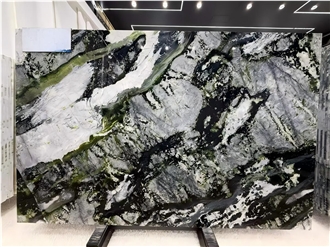
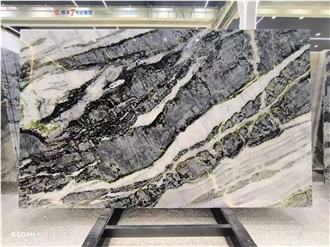
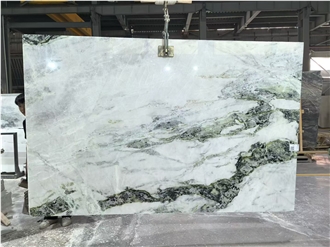
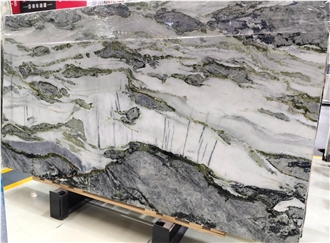
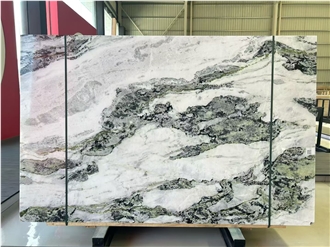
Northland Cedar Marble is an exclusive and exquisite natural stone from China, renowned for its striking white background and intense green veins. This unique marble brings an elegant and sophisticated look to any indoor space, making it a preferred choice for high-end residential and commercial projects.

Texture and Pattern

Background: The marble features a pristine white background that provides a clean, bright canvas.

Veining: It is characterized by intense green veins that traverse the surface, creating a dramatic and eye-catching pattern. The green veining varies in intensity and distribution, adding depth and visual interest to the stone.

Finish Options: Northland Cedar Marble is available in various finishes, including polished, honed, tumbled, brushed, and sandblasted. Each finish highlights the marble's natural beauty in different ways, offering versatility in design.

Usage

Residential Applications: Ideal for kitchen countertops, bathroom vanities, backsplashes, feature walls, and flooring. Its luxurious appearance enhances the aesthetic of living rooms, dining areas, and bedrooms.

Commercial Applications: Suitable for upscale commercial spaces such as hotel lobbies, office buildings, and retail environments. It can be used for flooring, wall cladding, reception desks, and other high-visibility areas to create a sophisticated and elegant ambiance.

Decorative Elements: Perfect for creating statement pieces like fireplace surrounds, custom furniture, and artistic wall installations.

Maintenance

Sealing: To protect its beauty and prevent staining, it is recommended to seal Northland Cedar Marble upon installation and reseal periodically.

Cleaning: Use a pH-neutral stone cleaner to avoid damaging the marble's surface. Regular cleaning with a soft, damp cloth will help maintain its pristine appearance. Avoid acidic or abrasive cleaners that can etch or scratch the surface.

Care: Promptly clean up spills, especially from acidic substances like lemon juice, vinegar, or wine, to prevent potential staining or etching. Regular dusting and wiping will keep the marble looking clean and elegant.

Summary

Northland Cedar Marble is a stunning and unique natural stone that offers a combination of a white background and intense green veining, making it a standout choice for any indoor project. Its versatility in application and variety of finishes make it an excellent option for adding a touch of luxury and sophistication to both residential and commercial spaces. With proper maintenance, Northland Cedar Marble will remain a timeless and elegant addition to any design.

FAQ

Are resin-treated or mesh-backed Northland Cedar Marble slabs suitable for every application?

Resin-treated or mesh-backed Northland Cedar Marble slabs have specific qualities that make them suitable for many applications, but there are conditions to consider. Here are some insights: 1. **Resin-Treated Slabs**: The resin treatment is typically used to enhance the stones appearance and strength by filling in natural imperfections. This makes them more appropriate for areas where aesthetic appeal is important, like countertops or decorative wall cladding. However, the resin can affect the slab’s natural porosity and may not be ideal for outdoor applications where UV exposure can degrade the resin over time. 2. **Mesh-Backed Slabs**: The mesh backing adds structural support to the slabs, which can make the installation process easier and the stone less prone to breakage. This can be beneficial for applications such as flooring or wall applications where large, thin pieces are used. 3. **Suitability Considerations**: - **Moisture Exposure**: Both treatment methods can make the stone less permeable, but it’s important to ensure the specific product is rated for areas with high moisture, like bathrooms. - **UV Exposure**: Consider if the installation site will expose the stone to sunlight, as UV rays might affect the resin over time. - **Traffic Levels**: For flooring, think about the level of foot traffic. While strengthened, resin-treated marble might not be as hardwearing as some other natural stones like granite. - **Finish and Maintenance**: Ensure the finish is appropriate for the intended use and understand maintenance requirements, as some resin treatments might complicate the re-polishing or resealing process. While these treatments enhance durability and installation flexibility, they may not be suitable for every single application, especially those with demanding environmental conditions. Its crucial to consult with suppliers or professionals to ensure the chosen slabs meet the specific needs of your project.

Is 18 mm thickness Northland Cedar Marble tiles suitable for commercial projects flooring application?

When considering the use of 18 mm thick Northland Cedar Marble tiles for commercial flooring applications, several factors need to be evaluated: 1. **Durability**: Marble is a natural stone with varying degrees of hardness. While it is generally suitable for flooring, it may not be as durable as some other stone options like granite, especially in high-traffic areas where wear and tear are a concern. 2. **Slip Resistance**: Marble can be quite slippery, especially when polished and when wet. For commercial applications, it might be necessary to choose a honed or textured finish or apply anti-slip treatments to meet safety requirements. 3. **Maintenance**: Marble requires regular maintenance, including sealing and cleaning, to maintain its appearance and longevity. In commercial settings, this can translate into higher upkeep costs compared to other materials. 4. **Environment Suitability**: Consider the specific environment where the tiles will be used. High-moisture areas, such as restrooms or entryways where the floor might frequently get wet, require careful attention to slip resistance and water absorption properties. 5. **Aesthetic Appeal**: Marble is often chosen for its aesthetic appeal and can add a high-end look to commercial spaces. The color and veining of Northland Cedar Marble may suit the design requirements. 6. **Cost**: Marble can be more expensive than other flooring options, not only in terms of materials but also installation and maintenance. 7. **Load-Bearing Capacity**: Ensure the subfloor and the marble tiles themselves can support the expected load in a commercial setting. The 18 mm thickness should generally provide a good level of strength, but support underneath is crucial for longevity. If Northland Cedar Marble meets the necessary durability and safety criteria and fits within the projects budget, it could be suitable for commercial flooring. However, it is essential to consult with a professional architect or designer who can evaluate the specific requirements of your project, taking into account the expected foot traffic and other contextual factors.

Is Northland Cedar Marble suitable for outdoor applications?

Northland Cedar Marble is a type of natural stone that can be used for various applications, but its suitability for outdoor use depends on several factors. Marble is generally more porous and softer compared to other stones like granite, which makes it more susceptible to weathering, staining, and erosion when exposed to outdoor conditions over time. However, with proper sealing and maintenance, it can be used outdoors in certain circumstances, such as in areas with mild climates. If you are considering using Northland Cedar Marble outdoors, here are some steps you can take to ensure longevity: 1. **Sealing**: Apply a high-quality sealant specifically designed for natural stones to limit water absorption and protect against stains. Reapply the sealant according to the manufacturers instructions, often every year or as needed. 2. **Regular Maintenance**: Clean the marble regularly with a mild detergent and water. Avoid using acidic or abrasive cleaners as they can damage the marble. 3. **Protected Areas**: Consider using this type of marble in areas that are somewhat sheltered from extreme weather, such as covered patios or verandas. 4. **Climate Considerations**: In regions with freeze-thaw cycles or harsh weather conditions, marble may be at greater risk of cracking or other damage, so it might not be the best choice for outdoor use. 5. **Consultation**: Its advisable to consult with a stone professional or supplier who can provide tailored advice based on the specific environmental conditions and intended use. Always assess the specific characteristics and limitations of Northland Cedar Marble or any other specific marble you are considering, as variations in mineral composition can affect the stones durability and performance outdoors.

How should Northland Cedar Marble countertop be cleaned?

Cleaning a Northland Cedar Marble countertop requires care to preserve its natural beauty and prevent damage. Here are some recommended steps: 1. **Use a Soft Cloth**: Begin by dusting the countertop with a soft, dry cloth to remove any loose debris or dust. 2. **Mild Soap and Water**: Mix a few drops of mild dish soap with warm water. Use a soft sponge or cloth to gently clean the surface. Avoid using abrasive scrubbers or strong detergents which can damage the surface. 3. **Avoid Acidic Cleaners**: Steer clear of vinegar, lemon juice, or any cleaner containing acidic substances, as marble is prone to etching from these chemicals. 4. **Rinse Thoroughly**: Wipe the countertop with a clean, damp cloth to remove any soapy residue, which can dull the appearance of the marble if left behind. 5. **Dry the Surface**: Use a soft, dry cloth to buff the surface dry, which helps prevent water spots and maintains the marble’s shine. 6. **Immediate Spill Management**: Clean spills as soon as they occur to prevent staining. Blot liquids with a soft cloth rather than wiping to avoid spreading. 7. **Use a Marble Cleaner**: Occasionally, use a cleaner specifically designed for marble surfaces for deep cleaning, following the manufacturers instructions. 8. **Seal the Marble**: Depending on the countertop usage, reseal the marble every 6-12 months. Sealing helps protect the surface from stains and etching. Regular maintenance and gentle cleaning will help keep your Northland Cedar Marble countertop looking its best.

Can Northland Cedar Marble be used for flooring?

Yes, Northland Cedar Marble can be used for flooring. Marble is a durable and classic natural stone that is often used in flooring applications due to its strength, elegance, and ability to withstand heavy foot traffic. However, its important to note that marble is a porous material, so it may require sealing to protect it from stains and moisture. Additionally, marble can be slippery when wet, so it may not be suitable for all areas, especially those prone to getting wet such as bathrooms or kitchens without the appropriate finish or treatment. Its always advisable to consult with a professional to ensure that the particular variety of marble you are considering is suitable for your specific flooring needs and conditions.

Does Northland Cedar Marble have a consistent pattern?

While I dont have specific knowledge about a product called Northland Cedar Marble, I can offer some general advice on identifying consistent patterns in materials or products: 1. **Material Characteristics**: If youre referring to a type of marble named Northland Cedar Marble, you can look for patterns in its veins, color distribution, and texture. Natural stones often have unique patterns, but they can also exhibit consistent characteristics typical of their quarry or origin. 2. **Design and Manufacturing Practices**: If Northland Cedar Marble is a manufactured product, check for design consistency, such as repeated motifs or standardized color schemes. 3. **Usage Patterns**: Look at how the material is used in different settings. Consistent patterns may emerge in terms of placement, complementary materials, or application (e.g., flooring, countertops, etc.). 4. **Market Presentation**: Examine how the product is marketed and presented. Brochures, websites, or catalogs might outline distinct patterns or themes associated with it. If you have specific examples or contexts, please provide more detail, and Ill do my best to assist with further insights.

Products & Prices

View More

Hot Marble

New Marble

Post Your Request

The request includes:
  1. surface finished, size
  2. quantity required