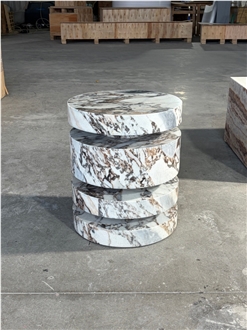
Ocean Stone Marble

About
Item Details
- Material Type:
- Marble
- Origin:
China (Luodian County, Guizhou Province) - Recommended Usage:
- Kitchen and bathroom countertops, wash basins, building stone, ornamental stone, stairs, interior, exterior wall and floor applications, mosaic, waterjet pattern, wall panels, table tops, balustrades, columns, wall and pool copings, pool pavers, fireplaces
- Additional Names:
- Sea Stone Marble, Marine Elegance Marble, Ocean Rhythm Marble, Sea Stone Rhythm, Ocean Stone Melody, Marine Stone Rhyme Marble, in China stone market:海石韵(Hǎi Shí Yùn), Ocean Stone Marble
- Finished Surface:
- Polished,Bush Hammered,Tumbled,Brushed,Honed,Split,Machine Cut,Natural Surface,Sandblasted,Combed,Leathered,Water Jet,Filled,Chiseled,Pickling
Testing
- Water Absorption:
- <0.25%
- Density:
- ~2700 kg/m³
- Flexural Strength:
- 12 - 18 MPa
- Compressive Strength:
- 130 - 160 MPa
Description
Ocean Stone Marble is a premium natural marble featuring a light, neutral base color—ranging from soft white to tan or cream—accentuated by distinctive horizontal banding and irregular grey or brown inclusions. This combination of subtle base tones with bold natural streaks creates a visually striking yet elegant material, ideal for both classic and contemporary architectural designs.
Texture & Pattern:
- Texture: Smooth, fine-grained surface typical of natural marble.
- Pattern: Horizontal banding interspersed with irregular grey or brown mineral inclusions. Each slab is unique, offering natural variation in tone and veining.
- Visual Effect: Calming, neutral backdrop enhanced by dynamic natural details, suitable for large surface installations.
Technical Properties:
- Density: ~2,700 kg/m³
- Compressive Strength: 130–160 MPa
- Flexural Strength: 12–18 MPa
- Water Absorption: <0.25%
- Mohs Hardness: 3–4
Chemical & Mineral Composition (% by weight):
- CaCO₃ (Calcium Carbonate): 95–97%
- SiO₂ (Silica): 1–2%
- MgCO₃ (Magnesium Carbonate): 0.5–1%
- Fe₂O₃ (Iron Oxide): <0.5%
Applications:
Ocean Stone Marble is suitable for a wide range of interior and exterior applications:
- Flooring and wall cladding
- Countertops and vanities
- Staircases and fireplace surrounds
- Decorative panels and furniture accents
Maintenance:
Clean regularly with neutral pH stone cleaners. Avoid acidic or abrasive substances. Periodic sealing recommended to preserve surface quality and enhance color.
FAQ
Placing hot pots, pans, or other hot items directly on a marble tabletop, including Ocean Stone Marble, can potentially cause damage. Marble is a natural stone and can be sensitive to heat. Direct contact with hot objects may lead to thermal shock, which can cause the stone to crack or discolor over time. It might also leave burn marks or dull the polish of the surface.
To protect your marble tabletop, it is advisable to use trivets, hot pads, or coasters underneath hot items. This will help prevent any potential damage and keep the marble looking its best. Regular maintenance and care, such as sealing the marble and cleaning spills promptly, will also help preserve its appearance and durability.
Can I use Ocean Stone Marble for office staircase steps?
Yes, you can use Ocean Stone Marble for office staircase steps, but there are some considerations to keep in mind:
1. **Aesthetic Appeal**: Marble has a classic and luxurious look, which can enhance the aesthetic appeal of an office environment. Ocean Stone Marble, in particular, may have unique patterns and colors that could create an elegant appearance.
2. **Durability**: Marble is generally a durable natural stone, but it is softer and more porous compared to granite or quartzite. It can withstand foot traffic, but you should be aware that it may show signs of wear over time, especially in high-traffic areas like staircases.
3. **Maintenance**: Marble requires regular maintenance to keep it looking its best. It is susceptible to scratching and staining, so regular sealing and careful cleaning are advisable to preserve its appearance over time.
4. **Safety**: Polished marble can be slippery, especially when wet, which may pose a safety risk on staircase steps. To mitigate this, you could use a honed finish or apply non-slip treatments to improve traction.
5. **Cost**: Marble is a premium material, so it tends to be more expensive compared to other options. Weighing the cost against the benefits will help determine if it’s the right choice for your office staircases.
6. **Weight**: Marble is heavy, and the staircase structure should be able to support it. Ensure that the foundation and support materials are adequate for the additional weight.
Overall, Ocean Stone Marble can be a stunning choice for staircase steps in an office, provided that you’re willing to invest in its maintenance and address any safety concerns associated with its use.
Is Ocean Stone Marble a suitable stone for making sculptures?
Ocean Stone Marble can be suitable for making sculptures, but there are several factors to consider before choosing it for this purpose.
1. **Texture and Appearance**: Ocean Stone Marble typically has a unique and beautiful pattern, which can contribute to the aesthetic appeal of a sculpture. The color and veining can add visual interest to the work.
2. **Workability**: Like most marbles, Ocean Stone is relatively soft and easy to carve, which is advantageous for sculptors. However, its hardness and consistency compared to other types of marble should be evaluated, as some variations might impact the level of detail that can be achieved.
3. **Durability**: Marble is generally durable enough for indoor sculptures but can be susceptible to weathering and damage from outdoor exposure. If considering outdoor placement, treatment or sealing might be necessary to protect the stone from environmental effects.
4. **Availability and Cost**: Depending on the location and availability, Ocean Stone Marble may be more or less accessible and cost-effective than other types of stone typically used for sculpture, such as Carrara marble.
5. **Personal Preference and Project Context**: Ultimately, the choice of stone can also depend on the specific requirements of the project, the artists personal preference, and the intended location of the sculpture.
If these considerations align with the artists vision and practical needs, then Ocean Stone Marble could be a suitable material for sculpture creation.
Can 18mm thickness Ocean Stone Marble be used for kitchen countertop?
Using 18mm thick Ocean Stone Marble for a kitchen countertop can be possible, but there are several factors to consider before making a decision.
1. **Durability**: Marble is a relatively soft stone compared to granite or quartz, which makes it more susceptible to scratches, chips, and stains. This is particularly important in a kitchen environment, where the countertop will be subjected to heavy use.
2. **Support**: An 18mm thick marble slab is relatively thin for a countertop. You may need additional support, such as a plywood substrate, to ensure stability and prevent cracking.
3. **Sealing**: Marble is porous and can absorb liquids, leading to stains. Regular sealing is necessary to protect the surface, especially in a kitchen where spills are frequent.
4. **Maintenance**: Marble requires more maintenance compared to other countertop materials. The surface should be cleaned with pH-neutral cleaners, and acidic substances like lemon juice should be cleaned immediately to prevent etching.
5. **Aesthetic**: Ocean Stone Marble can be very attractive, providing a unique and elegant look to your kitchen. However, make sure this fits with your overall kitchen design and style preferences.
6. **Cost**: Consider if the cost of marble, including installation and ongoing maintenance, fits within your budget.
If you choose to use 18mm Ocean Stone Marble, work with a professional installer to ensure the slab is properly supported and finished to maximize its longevity and functionality in your kitchen.
How can I repair the scratched surface of the Ocean Stone Marble steps?
Repairing scratched Ocean Stone Marble steps requires a careful approach to restore their appearance and prevent further damage. Heres a step-by-step guide you can follow:
1. **Assessment**: Begin by assessing the extent of the scratches. Determine if they are light surface scratches or deep gouges since the repair method will depend on the severity.
2. **Cleaning**: Thoroughly clean the marble surface using a pH-neutral cleaner specifically designed for stone. Avoid acidic cleaners like vinegar or lemon, as these can etch the marble. Use a soft cloth or mop to remove dirt and debris, and then dry the area completely.
3. **Light Scratches**:
- **Sanding**: For minor scratches, you can use fine-grit sandpaper (800 to 1200 grit). Wet the sandpaper lightly and gently sand the scratched area in a circular motion. Be careful to use a consistent amount of pressure.
- **Buffing**: After sanding, use a polishing compound suitable for marble. Apply the compound to the scratches and buff with a soft cloth or a low-speed polisher until the shine returns.
4. **Deep Scratches**:
- **Filling**: For deeper scratches or gouges, consider using a marble repair kit or filler. These kits often contain a resin or epoxy that can fill the scratch.
- **Application**: Follow the instructions on the repair kit. Usually, you will need to mix the components and apply the filler into the scratch with a spatula or a similar tool, ensuring the surface is as even as possible.
- **Sanding and Buffing**: Once the filler has cured, sand the area with fine-grit sandpaper to smooth it out, and then buff it as described for light scratches.
5. **Polishing**: After repairing the scratches, its wise to polish the entire step to ensure an even finish. Use a marble polishing powder or compound to restore the overall shine and protect the surface.
6. **Sealing**: To protect the marble from future damage, consider sealing the steps once the repairs are complete. Use a high-quality marble sealer and apply it according to the manufacturers instructions.
7. **Maintenance**: To keep your marble steps looking their best, clean them regularly with a pH-neutral stone cleaner and avoid dragging heavy items across the surface.
If youre unsure or uncomfortable doing this yourself, it might be best to hire a professional. Marble repairs can be delicate, and professionals will have the right tools and experience to restore your steps effectively.
Is Ocean Stone Marble with a glossy polished surface good for commercial flooring?
Using Ocean Stone Marble with a glossy polished surface for commercial flooring can be a good choice, but there are several factors to consider:
1. **Aesthetics**: Marble has a luxurious and elegant appearance, enhancing the aesthetic appeal of commercial spaces such as hotels, high-end retail stores, and office buildings.
2. **Durability**: Marble is a durable natural stone, but it is softer compared to other materials like granite. It may not withstand heavy foot traffic in high-traffic commercial areas as effectively without showing signs of wear over time.
3. **Maintenance**: A polished marble surface requires regular maintenance to keep its glossy appearance. It can be prone to scratching, staining, and etching from acidic substances, necessitating frequent cleaning and periodic sealing.
4. **Slip Resistance**: A glossy polished surface might be slippery, which could pose a safety hazard, especially in areas that may get wet. To mitigate this, anti-slip treatments or mats may be necessary.
5. **Cost**: Marble tends to be more expensive than other flooring materials. Consider the budget and long-term maintenance costs when evaluating it for commercial use.
6. **Environment Suitability**: Consider whether the space is prone to moisture or heavy use. In such cases, alternative materials might be better suited to handle the specific needs of the environment.
Overall, while Ocean Stone Marble with a glossy finish can add significant visual appeal, its essential to weigh these factors against the specific demands of the commercial environment where it will be used.
Do fruit juices stain the surface of Ocean Stone Marble?
Yes, fruit juices can stain the surface of Ocean Stone Marble. Marble is a natural stone that is porous and susceptible to staining, especially from acidic substances like fruit juices. The acids in the juice can etch the marble surface, leading to discoloration and dullness. Its important to clean up spills immediately to minimize the risk of staining. Additionally, sealing the marble can help protect it from stains, but regular maintenance and care are essential to keep its appearance intact.


3YR