Post Your Needs

Orchid Jade Marble

Marble

China

About

Item Details

Material Type:
Marble
Origin:
China (Jiangsu)
Recommended Usage:
Kitchen and bathroom countertops, wash basins, building stone, ornamental stone, stairs, interior, exterior wall and floor applications, mosaic, waterjet pattern, wall panels, table tops, balustrades, columns, wall and pool copings, pool pavers, sculptures, fireplaces
Additional Names:
Picasso White Marble, Orchid White Marble, White Orchid Marble, Bianco Picasso Marble, Picasso Crystal Marble, in China Stone Market:兰花玉(Lánhuā Yù), 毕加索水晶(Bìjiāsuǒ Shuǐjīng), 兰香翡翠(Lán Xiāng Fěi Cuì)
Finished Surface:
Polished,Bush Hammered,Tumbled,Brushed,Honed,Split,Machine Cut,Natural Surface,Sandblasted,Combed,Leathered,Water Jet,Filled,Chiseled,Pickling

Testing

Water Absorption:
0.20–0.35 %
Density:
2680–2720 kg/m³
Flexural Strength:
12–18 MPa
Compressive Strength:
115–145 MPa

Description

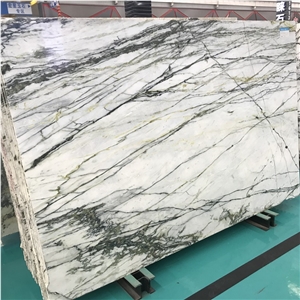
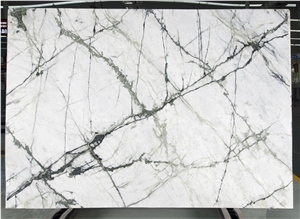
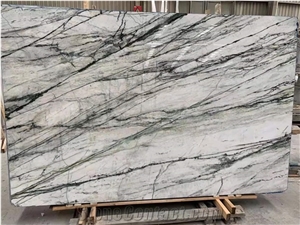
Orchid Jade Marble is an elegant natural stone distinguished by its soft, luminous whitish-green to pale celadon hue. Its refined coloration evokes fine jade and orchid petals, offering a calm, cool-toned aesthetic ideal for sophisticated interiors. This material is quarried in Jiangsu, China.

Appearance & Color

Base Tone:

  • Soft whitish-green to pale celadon
  • Cool, luminous, and tranquil visual effect
  • Clean and airy background suitable for modern and classic designs

Veining & Pattern:

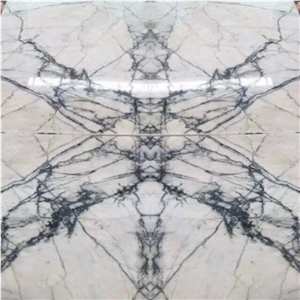
  • Fine, delicate grey veining
  • Soft, linear to slightly feathery movement
  • Subtle contrast that enhances depth without overpowering
  • Harmonious and balanced overall appearance
  • Each slab maintains a consistent aesthetic with gentle natural variation.

Texture & Structure

  • Fine to medium crystalline texture
  • Compact and relatively uniform structure
  • Smooth surface with excellent polishing response
  • Calm visual flow with minimal dramatic movement

Physical & Mechanical Properties (Typical Values)

  • Bulk Density: 2680–2720 kg/m³
  • Water Absorption: 0.20–0.35 %
  • Open Porosity: 0.4–0.8 %
  • Compressive Strength: 115–145 MPa
  • Flexural Strength: 12–18 MPa
  • Indirect Tensile Strength: 8–12 MPa
  • Abrasion Resistance: Medium to High
  • Impact Resistance: Good
  • Mohs Hardness: 3–4
  • Knoop Microhardness: 900–1100 MPa
  • Linear Thermal Expansion: 5.0 × 10⁻⁶ /°C

(Values may vary slightly depending on quarry layer.)

Mineral Composition (% by weight)

  • Calcite (CaCO₃): 88–95%
  • Dolomite: 2–5%
  • Quartz: 1–3%
  • Chlorite / Serpentine (green tone influence): 1–3%
  • Trace minerals (mica, iron oxides): <1%

Chemical Composition (% by weight)

  • CaCO₃: 92–96%
  • MgCO₃: 1–3%
  • SiO₂: 1–2%
  • Fe₂O₃: 0.05–0.2%
  • Al₂O₃: <0.5%

Applications

Interior Applications:

  • Luxury flooring
  • Wall cladding
  • Bathroom vanities
  • Shower surrounds
  • Reception areas
  • Decorative feature walls
  • Fireplace surrounds
  • Staircases

Best suited for interior environments due to its marble composition.

Surface Finish Options

  • Polished (enhances luminosity and color depth)
  • Honed (soft matte elegance)
  • Leathered
  • Brushed
  • Sandblasted (for subtle texture)
  • Machine-cut
  • Waterjet custom patterns 

Maintenance Guidelines

  • Apply penetrating sealer prior to use
  • Clean with pH-neutral stone cleaner
  • Avoid acidic or abrasive cleaners
  • Wipe spills promptly
  • Reseal periodically depending on traffic and use
  • Use soft microfiber cloths for regular cleaning

FAQ

Can Orchid Jade Marble be used for kitchen countertop?

Orchid Jade Marble can technically be used for kitchen countertops, but there are several considerations to keep in mind. Marble is a softer and more porous natural stone compared to other options like granite or quartz, which means it is more prone to scratching, staining, and etching from acidic substances. If you choose to use Orchid Jade Marble for a kitchen countertop, you will need to take extra precautions, such as: 1. **Sealing:** Regularly seal the marble to help protect it from stains and etching. This might need to be done every few months, depending on use. 2. **Maintenance:** Clean up spills immediately to prevent staining. Use pH-neutral cleaners specifically designed for marble to avoid damaging the surface. 3. **Protection:** Use cutting boards, trivets, and coasters to protect the marble from scratches, heat, and acidic substances like lemon juice or vinegar. 4. **Aesthetic Consideration:** Some people love the patina marble acquires as it ages and the character that etches or small stains might add, while others do not. Consider whether you appreciate or can tolerate these changes over time. If you are willing to manage the maintenance and are drawn to its unique appearance, Orchid Jade Marble can be a beautiful choice for a kitchen countertop. However, it is important to be aware of the extra care it requires compared to more durable materials.
How can I repair the scratched surface of the Orchid Jade Marble steps?

Repairing scratched Orchid Jade Marble steps can be a delicate process, as marble is a relatively soft and porous stone. Here’s a step-by-step guide to help you restore the scratched surface: 1. **Assess the Damage**: - Determine the depth of the scratches. If they’re minor surface scratches, they can be polished out. Deeper scratches may require more extensive treatment. 2. **Gather Your Materials**: - Marble polishing powder or compound - A soft cloth or buffing pad - Sandpaper (grit ranging from 400 to 1000, if needed for deeper scratches) - A clean, dry cloth - Water - Mild dish soap - A bucket - Marble sealant (optional, for extra protection) 3. **Clean the Surface**: - Mix warm water with a few drops of mild dish soap in a bucket. - Use a soft, damp cloth to clean the marble surface carefully, removing all dust and debris from the scratched area. Rinse with clean water and dry with a towel. 4. **Polish Minor Scratches**: - For light scratches, dampen a soft cloth and apply a small amount of marble polishing powder or compound. - Gently rub the polish into the scratch in a circular motion. Be patient and continue until the scratch diminishes. This may take several minutes. - Wipe away the excess polish with a clean, damp cloth and dry the area. 5. **Sand and Polish Deeper Scratches** (optional if the above doesnt work): - If the scratches are deeper, start with fine grit sandpaper (around 400 grit). - Gently sand the scratch in the direction of the grain of the marble. Be sure to use very light pressure to avoid creating further damage. - Gradually use finer grit sandpaper (up to 1000 grit) as the scratch becomes less visible. - Once sanded, follow up with the marble polishing step to restore the shine. 6. **Seal the Marble** (optional): - If your marble isnt sealed or needs resealing, apply a marble sealant to protect the surface from future damage. - Follow the manufacturer’s instructions on how to apply and let it cure properly. 7. **Regular Maintenance**: - Regularly clean the marble with a pH-neutral cleaner to avoid damage. - Avoid using acidic or abrasive cleaners that can scratch or dull the marble surface. By following these steps, you should be able to repair and restore the beauty of your Orchid Jade Marble steps. If the scratches are severe or you’re not confident in performing these repairs, consider consulting a professional stone restoration expert.

Is Orchid Jade Marble with a polished surface good for house flooring?

Orchid Jade Marble with a polished surface can be a good choice for house flooring, depending on your specific needs and preferences. Here are some pros and cons to consider: ### Pros: 1. **Aesthetic Appeal**: Orchid Jade Marble typically has a unique and attractive appearance, which can add elegance and sophistication to your home. 2. **Durability**: Marble is a durable natural stone that, if properly cared for, can last for many years. 3. **Increase Property Value**: High-quality marble flooring can increase the resale value of a property due to its luxurious appearance. 4. **Cool Temperature**: Marble naturally stays cool, which can be a great advantage in warmer climates. ### Cons: 1. **Maintenance**: Polished marble surfaces can show scratches and etches easily. They require regular maintenance, including sealing, to keep their appearance. 2. **Stain Sensitivity**: Marble is porous and can stain if spills are not cleaned promptly. Acidic substances, in particular, can etch the surface. 3. **Slipperiness**: A polished finish can be quite slippery when wet, which may be a safety concern, especially in areas prone to spills or in homes with small children or elderly residents. 4. **Cost**: Marble is generally more expensive than other flooring options like ceramic tiles or laminate. 5. **Temperature Sensitivity**: Marble can be cold underfoot, which might not be desirable in colder climates. ### Conclusion: If you love the look and can commit to the maintenance, Orchid Jade Marble with a polished surface can be an excellent choice for house flooring. However, its important to weigh the pros and cons and consider the specific needs and conditions of your household before making a decision.

If lemonade spills on a Orchid Jade Marble kitchen countertop, will it damage the surface?

Orchid Jade Marble, like all marble surfaces, is susceptible to damage from acidic substances due to its calcium carbonate composition. Lemonade, being acidic, can etch the marble surface, leading to dull spots and potential staining if not cleaned up quickly. If lemonade spills on your Orchid Jade Marble countertop, its important to wipe it up promptly with a soft cloth and clean the area with a pH-neutral cleaner to minimize any potential damage. Sealing the marble can also provide some level of protection against stains and etching, but its still best to avoid leaving acidic substances on the surface.

Can I use bleach when cleaning a Orchid Jade Marble kitchen countertop?

Its not recommended to use bleach on Orchid Jade Marble or any natural stone surface. Marble is sensitive to acidic and harsh chemicals, which can damage its surface by causing etching or discoloration. Instead, use a pH-neutral cleaner specifically designed for natural stone surfaces. You can also clean your marble countertop with a mix of warm water and mild dish soap. Always use a soft cloth or sponge to avoid scratching the surface, and remember to dry the countertop thoroughly to prevent water spots.

If I cut meat directly on my Orchid Jade Marble kitchen countertop, will it damage the surface?

Cutting meat directly on your Orchid Jade Marble kitchen countertop is not advisable. Marble is a softer, more porous natural stone compared to other surfaces like granite or quartz. Using it as a cutting surface can cause several issues: 1. **Scratches and Etching**: Marble is susceptible to scratches from sharp knives. Additionally, acidic substances can cause etching, dulling the surface sheen over time. 2. **Staining**: Since marble is porous, it can absorb liquids, leading to potential staining from meat juices or any marinades used. 3. **Hygiene Concerns**: Cutting directly on the countertop can introduce bacteria into the pores of the marble, creating potential health risks. To protect your marble countertops, its best to use a cutting board. This will help maintain the integrity of the marble while also keeping your countertops clean and sanitary.

Products & Prices

View More

Hot Marble

New Marble

Post Your Request

The request includes:
  1. surface finished, size
  2. quantity required