Post Your Needs

Oriental White Jade Marble

Marble

China

About

Item Details

Material Type:
Marble
Origin:
China (Sichuan province)
Recommended Usage:
kitchen and bathroom countertop, wash basins, building stone, ornamental stone, stairs, interior, exterior wall and floor applications, mosaic, water-jet pattern, wall panels, table tops, balustrades, columns, wall and pool copings, pool pavers, sculptures, fireplaces, window sills
Additional Names:
Oriental White Marble, White Jade Marble, China Crystal White Marble, Classic White Jade Marble, Eastern White Jade Marble, in China stone market:东方白玉(Dōngfāng Báiyù), Oriental White Jade Marble
Finished Surface:
Polished,Bush Hammered,Tumbled,Brushed,Honed,Split,Machine Cut,Natural Surface,Sandblasted,Combed,Leathered,Water Jet,Chiseled,Pickling

Testing

Water Absorption:
0.24 %
Density:
2660 kg/m³
Flexural Strength:
12.1 MPa
Compressive Strength:
90.0 MPa

Description

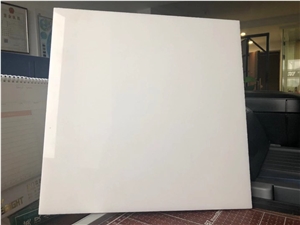
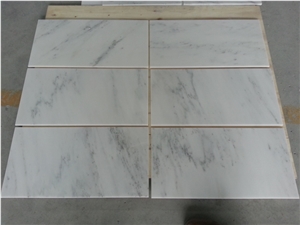
Oriental White Jade Marble is a bright white natural marble quarried in Sichuan Province, China. It features a clean white background with delicate light- to dark-grey veining that flows naturally across the surface. Its refined appearance and ability to achieve a smooth polish make it suitable for elegant residential, hospitality and commercial interiors.

Texture

  • Fine- to medium-grained crystalline marble
  • Smooth, compact texture
  • Can achieve a high-quality polished surface
  • Generally consistent background with natural mineral variation

Pattern & Appearance

  • Base color: Bright white
  • Veining: Subtle grey to dark-grey
  • Pattern: Fine, flowing and irregular veins
  • Movement: Low to medium
  • Overall appearance: Clean, elegant and luxurious

Technical Test Results

  • Water Absorption: 0.24 %
  • Density: 2,660 kg/m³
  • Flexural Strength: 12.1 MPa
  • Compressive Strength: 90.0 MPa
  • Hardness: Approx. 3–4 Mohs

Chemical Composition

Indicative composition for a calcitic white marble:

  • CaCO₃: 92–98 %
  • MgCO₃: 0.5–3 %
  • SiO₂: 0.5–4 %
  • Al₂O₃: Trace–1 %
  • Fe₂O₃: Trace–1 %
  • Other minerals: Trace

Mineral Composition

  • Calcite: 92–98 %
  • Dolomite: 0.5–3 %
  • Quartz: 0.5–4 %
  • Mica/Clay minerals: Trace–2 %
  • Iron-bearing minerals: Trace
  • Other accessory minerals: Trace

Chemical and mineral percentages are indicative and can vary between quarry blocks. Certified laboratory analysis should be used for project specifications.

Usage

Oriental White Jade Marble is suitable for:

  • Interior flooring
  • Wall cladding
  • Feature walls
  • Hotel and luxury residential interiors
  • Bathroom walls
  • Vanity tops
  • Fireplace surrounds
  • Reception desks
  • Decorative panels
  • Columns
  • Staircases
  • Custom furniture
  • Bookmatched feature walls

Because of its low reported water absorption, it can perform well in many interior applications, although appropriate sealing is recommended for wet and stain-prone areas.

Maintenance

  • Use a pH-neutral natural-stone cleaner.
  • Seal the marble periodically according to application.
  • Clean spills promptly, particularly coffee, wine and oils.
  • Avoid vinegar, lemon juice and acidic cleaners.
  • Avoid abrasive powders and harsh chemicals.
  • Use cutting boards and trivets on marble countertops.
  • Polished surfaces should be protected from scratching and acidic substances.

Note: Like most calcite-based marble, Oriental White Jade is susceptible to acid etching even when it has low water absorption.

FAQ

What is the standard thickness of Oriental White Jade Marble stair steps and risers?

The standard thickness for Oriental White Jade Marble stair steps and risers can vary depending on the specific requirements of a project and regional building codes. However, commonly, the thickness for marble stair treads is around 20 mm (approximately 3/4 inch) to 30 mm (approximately 1 1/4 inch). For risers, the thickness is typically around 20 mm. Its important to consider the structural requirements and the aesthetic preferences for each installation, so checking with local regulations and consulting with a professional is always advisable.

Can Oriental White Jade Marble be used as a mortar and pestle in the kitchen?

Oriental White Jade Marble, like other types of marble, is a beautiful natural stone that can add aesthetic appeal to kitchen tools like a mortar and pestle. However, there are a few considerations to keep in mind when deciding whether to use it in this way: 1. **Porosity**: Marble is a porous stone, which means it can absorb liquids and oils. This could potentially lead to staining or absorption of flavors and aromas from the ingredients you grind. To prevent this, it’s essential to clean the mortar and pestle thoroughly after each use. 2. **Durability**: While marble is relatively durable, it is softer than materials typically used for heavy-duty grinding, such as granite. This makes it more susceptible to scratching or chipping, particularly if you are grinding very hard substances or if too much force is applied. 3. **Weight and Texture**: Marble is heavy, which is an advantage as it provides stability when grinding. However, marble’s smoother surface might be less effective at grinding than rougher materials like granite or basalt. 4. **Maintenance**: Marble requires regular maintenance to prevent staining and damage. You should consider whether youre willing to devote time to sealing and cleaning the surface routinely. Overall, while you can use Oriental White Jade Marble as a mortar and pestle, be mindful of these factors, especially if you plan to use it regularly or for tough ingredients. If aesthetics are a priority and you’re gentle with its use, it can be a functional and beautiful choice. However, for heavy-duty or frequent use, you might want to consider a mortar and pestle made from more robust materials like granite or basalt.

Can I use Clorox wipes on Oriental White Jade Marble kitchen countertop cleaning?

Using Clorox wipes or any other harsh chemical-based cleaners on Oriental White Jade Marble countertops is not recommended. Marble is a natural stone that is susceptible to etching and staining from acidic or abrasive cleaners. Clorox wipes contain chemicals that can dull the surface of the marble and potentially damage it over time. For cleaning marble countertops, use a mild dish soap mixed with warm water. Apply the solution with a soft cloth or sponge, and then rinse with clean water. Make sure to dry the surface thoroughly to prevent water spots. For tougher stains, consider using a marble-specific cleaner or consult with a professional for recommendations on safe cleaning products. Always test any cleaner in a small, inconspicuous area first to ensure it does not damage the stone.

If I use 1.2 cm thick Oriental White Jade Marble as a table top, will it be strong enough? Will it break easily?

Using 1.2 cm thick Oriental White Jade Marble as a tabletop can be visually appealing, but there are several factors to consider regarding its strength and durability. 1. **Thickness**: At 1.2 cm, the marble is relatively thin for a tabletop, which may affect its overall strength and resistance to breaking. Typically, thicker slabs (around 2-3 cm) are recommended for more robust applications like tables to provide better structural integrity. 2. **Support**: Proper support is crucial. If the marble is well-supported, especially at the edges and over its entire surface, it will be less prone to cracking or breaking. Consider using a strong substrate, such as plywood or MDF, underneath the marble to enhance its strength. 3. **Size and Span**: The overall dimensions of the tabletop and the span between supports will impact its durability. Larger spans without adequate support can increase the risk of cracking. 4. **Usage**: Consider how you plan to use the table. If its going to be a dining or kitchen table where heavy items or moderate impact might occur, its more vulnerable to stress. Use table mats or coasters to protect the surface from direct impact and thermal shock (like hot or cold items). 5. **Marble Properties**: Oriental White Jade Marble, like other marble types, is a natural stone and, while generally strong, is not as hard as granite. It is more prone to scratches, etching from acids, and potential breakage under significant stress. In conclusion, while it might be possible to use a 1.2 cm thick marble as a tabletop with proper support and care, there are risks associated with its thinness. If budget allows, consider a thicker slab or reinforce the underside to enhance its structural integrity. Consulting with a stone professional or engineer for personalized advice could also be beneficial.

Do I have to seal Oriental White Jade Marble kitchen countertop every year?

Sealing your Oriental White Jade Marble kitchen countertop is a good practice to help maintain its appearance and protect it from stains and damage. Marble is a porous stone, which means it can absorb liquids and be susceptible to staining, particularly in a kitchen environment. Generally, sealing your marble countertop once a year is a good guideline, but the actual frequency may vary based on usage, the type of sealer, and the porosity of the specific marble slab. To determine if your countertop needs resealing, you can perform a simple water test: 1. Place a few drops of water on the surface of the countertop. 2. Wait for 10 to 15 minutes. 3. If the water leaves a dark spot, the stone is absorbing the liquid, indicating that it might be time to reseal. If the water beads up and doesnt darken the stone, your current seal is likely still effective. However, it’s always best to follow the specific maintenance guidelines provided by your countertop manufacturer or installer, as different marble types and sealers may have different requirements.

What color cabinet goes with Oriental White Jade Marble kitchen countertop?

Oriental White Jade Marble is characterized by its elegant white base with soft veining, so choosing the right cabinet color can enhance its beauty and create a cohesive look. Here are a few options: 1. **Classic White**: Pairing with white cabinets can create a clean, timeless look that maintains a bright and open feel in the kitchen. 2. **Light Gray**: This is a subtle choice that complements the veining in the marble and adds a touch of softness and warmth without overshadowing the marble. 3. **Navy Blue**: For a more striking contrast, navy blue cabinets can offer a sophisticated, modern vibe, enhancing the white marble. 4. **Warm Wood Tones**: Medium to dark wood tones, such as walnut or cherry, can bring warmth and a natural element that contrasts nicely with the cool tones of the marble. 5. **Soft Beige or Taupe**: These neutral shades can provide a subtle contrast while maintaining an elegant and inviting atmosphere. 6. **Black**: For a bold, contemporary look, black cabinets can create a stunning contrast and make the marble stand out. Considering lighting and overall kitchen style when choosing the cabinet color is important to ensure that the final look aligns with your design vision.

Products & Prices

View More

Hot Marble

New Marble

Post Your Request

The request includes:
  1. surface finished, size
  2. quantity required