


 Italy
 Viet Nam
 United Kingdom
 United States

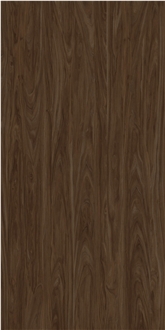
Premium Magic Brown Sintered Stone Slabs
XIAMEN XINZHENXUAN STONE CO.,LTD/Xiamen Nishi group Co., Ltd China
 13YR

FOB Price: $10 - $25$10-$25 / Square Meters
China13YRFOB Price: $10 - $25$10-$25 / Square Meters
China13YR
FOB Price: $10 - $25$10-$25 / Square Meters
China13YR



Could not find the answer you need? Ask about Brown Sintered Stone.
It is almost impossible for a non-professional to distinguish Sintered Stone from natural stone unless it is made in an unnatural color or pattern! Benefits of Sintered Stone include:
Sintered Stone can be used for almost anything natural stone can be:Kitchen worktops,bathroom vanities, wall cladding and flooring,stairs, exterior wall cladding and flooring,Swimming pool tiling, interior decoration items, etc.
Sintered stone has a better resistance to stains, impacts, heat and chemicals compared with Quartz, heat resistance is a particularly popular characteristic as Quartz can have burn marks or change colour when subjected to heat.Sintered Stone is an excellent option for outdoor projects as it is weatherproof and waterproof, whereas it is not recommended to use quartz outside.Both materials are harder than Granite and available in a variety of colours.
All of the Sintered Stone manufacturers supply their stone in 12mm thickness as standard. Some also provide 20mm thick slabs as well as thinner 6mm and 3mm slabs for flooring/ cladding.If you are looking for a thicker worktop, we can build up the front of your worktops with a mitered edge to give the impression of a thick top
The price per square foot on Sintered Stone is around $60 to $100 installed(US market). This can vary based on brand, design, colors, shapes and sizes.
In contrast, Sintered Stones are those man-made stone countertops which copy the looks and patterns of natural stone slabs. This material is also slightly cheaper than quartz, running between $65 to $100 per square foot.
Sintered Stone panels are used for wall cladding and facades as well as flooring and even countertops. These materials are easy to clean and are virtually impervious to normal household heat sources. In addition to that, sintered stone materials are also scratch and stain resistant.
This stone can withstand high temperatures, making it resistant to burning. Since it is non-porous and doesn't need to be sealed, Sintered Stone is highly resistant to staining.
Sintered Stone is easy to clean in comparison with other natural stones that require a lot of scrubbing. You can wipe the surface easily with soap and water or a stone cleaner.
