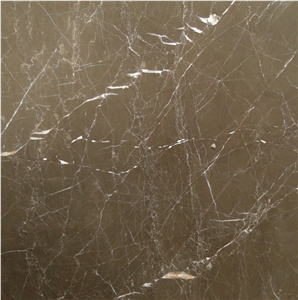
Palissandro Antique Marble

About
Item Details
- Material Type:
- Marble
- Origin:
Viet Nam (Yen Bai Province) - Primary Color(s):
- Brown
- Recommended Usage:
- Kitchen and bathroom countertops, wash basins, building stone, ornamental stone, stairs, interior, exterior wall and floor applications, mosaic, waterjet pattern, wall panels, table tops, balustrades, columns, wall and pool copings, pool pavers, sculptures, fireplaces
- Additional Names:
- Vietna Palissandro Blue Marble, Vietnam Palissandro Marble, Yen Bai Palissandro Marble, Palissandro Antique, Palissandro Antique Marble
- Finished Surface:
- Polished,Bush Hammered,Tumbled,Brushed,Honed,Split,Machine Cut,Natural Surface,Sandblasted,Combed,Leathered,Water Jet,Filled,Chiseled,Pickling
Testing
- Water Absorption:
- 0.2% to 0.4%
- Density:
- 2660 to 2730 Kg/m³
- Flexural Strength:
- 12 - 15 MPa
- Compressive Strength:
- 120 to 130 MPa
- Stone texture:
- features a white background with dense veining in shades ranging from grey to golden to light brown marble
Description
Palissandro Antique Marble is a distinctive and visually appealing natural stone characterized by a mostly white background adorned with dense veining, which ranges in color from grey and golden to light brown. Quarried in Vietnam's Yen Bai Province, this marble is appreciated not only for its unique aesthetic qualities but also for its functional properties.
Physical and Mechanical Properties:
- Water Absorption:Typically low, generally around 0.2% to 0.4%, indicating it's relatively non-porous and less prone to staining.
- Density:Approximately 2.6 to 2.8 g/cm³, which is typical for marble, contributing to its durability.
- Flexural Strength:Ranges between 10 to 15 MPa, indicating good resistance to bending or breaking under pressure.
- Compressive Strength:Typically falls between 100 to 150 MPa, showcasing its ability to withstand substantial loads.
- Hardness:Mohs hardness of around 3 to 4, meaning it's susceptible to scratching by harder materials.
- Porosity:Generally low porosity, enhancing its stain resistance and longevity.
- Slip Resistance:Coefficient typically around 0.6 to 0.7 when dry, which can vary based on the surface finish; polished surfaces are more slippery compared to honed or textured finishes.
Chemical and Mineral Composition:
- Calcium Carbonate (CaCO₃):Predominantly around 90% to 95%, as it is the primary component of marble.
- Silica (SiO₂):Typically around 2% to 4%, contributing to the strength and integrity of the stone.
- Iron Oxides (Fe₂O₃):Approximately 1% to 2%, which can influence the coloration of the veins.
- Magnesium:Trace amounts; contributes to the color variations.
- Other Minerals:Small percentages of other minerals and compounds that contribute to its unique veining patterns.
Usage:
- Interior Flooring: Excellent for indoor flooring due to its elegance and durability.
- Wall Cladding: Suitable for both internal and external wall cladding.
- Countertops and Vanity Tops: Popular for use in kitchens and bathrooms.
- Decorative Features: Can be used in sculptures, pillars, and feature walls due to its distinctive appearance.
- Fireplace Surrounds: Adds a luxurious touch to interior spaces.
Maintenance:
- Regular sealing is recommended to maintain its resistance to staining and etching.
- Clean with pH-neutral cleaners; avoid acidic or abrasive cleaners to prevent damage.
- Regular maintenance to prevent scratch and wear over time.
Cutting Sizes:
- Commonly available in slabs that are 2 cm to 3 cm thick.
- Tile sizes generally available in 30 cm x 30 cm, 30 cm x 60 cm, or custom sizes based on project requirements.
Surface Finish Options:
- Polished: Provides a glossy finish that enhances the color and veining but is more prone to scratches and requires more maintenance.
- Honed: A matte finish that offers a more natural look and is less slippery, making it ideal for flooring.
- Brushed: Offers a textured surface that increases slip resistance, suitable for high-traffic areas.
- Antiqued: Gives a rugged, timeworn appearance, adding character and warmth to spaces.
Palissandro Antique Marble, with its stunning visual appeal and robust properties, is a versatile choice for architects and homeowners looking for a material that carries both beauty and durability. Proper maintenance will ensure its longevity and preserve its aesthetic attributes.
FAQ
Vietnams Palissandro Antique Marble can be used for exterior applications in dusty climates, but it is important to take certain precautions. Marble is known for its beauty and versatility, but it is also a porous material that can be susceptible to damage from harsh weather conditions and dust particles.
In very dusty climates, regular cleaning and maintenance will be necessary to keep the marble looking its best. The dusty environment can cause the exterior surface of the marble to become dirty and dull over time. It is recommended to clean the marble regularly with a mild detergent and warm water to remove dust and dirt.
Additionally, it is important to ensure that the marble is properly sealed to protect it from the elements. A high-quality penetrating sealer should be applied to the marble surface to create a protective barrier against dust, moisture, and other pollutants. The sealer will help to prevent staining and make cleaning easier.
It is also important to consider the finish of the Palissandro Antique Marble when using it in exterior applications. Polished marble may be more susceptible to showing scratches and wear in dusty environments compared to a honed or tumbled finish.
Overall, while Palissandro Antique Marble can be used for exterior applications in very dusty climates, proper cleaning, sealing, and maintenance will be essential to ensure its durability and longevity. Regular upkeep will help to keep the marble looking its best and protect it from the harsh effects of the dusty environment.
Can Viet Nam's Palissandro Antique Marble be used in a office?
Yes, Palissandro Antique Marble from Vietnam can definitely be used in an office setting. Its elegant and sophisticated appearance makes it a popular choice for office spaces, whether it be for flooring, countertops, or other applications. Palissandro Antique Marbles neutral tones and unique veining patterns can add a touch of luxury and professionalism to any office environment.
What is the coefficient of friction of Filled Viet Nam's Palissandro Antique Marble tiles?
The coefficient of friction of a specific type of marble tile, such as Filled Vietnams Palissandro Antique Marble, may vary depending on factors such as the specific texture, finish, and treatment applied to the tile. To determine the coefficient of friction for this specific type of marble tile, it is best to consult the manufacturer or supplier of the product. They should be able to provide you with the necessary information regarding the coefficient of friction.
Can Viet Nam's Palissandro Antique Marble be used in landscaping?
Yes, Viet Nams Palissandro Antique Marble can be used in landscaping. This variety of marble has a beautiful and unique appearance with warm tones and striking veining patterns that can enhance the aesthetic of a landscaping project. It is often used in outdoor applications such as garden pathways, patio flooring, pool surrounds, and decorative features like benches or sculptures. However, it is essential to consider the specific climatic conditions and potential wear and tear that the marble may be exposed to in a landscaping setting. Proper sealing and maintenance may be necessary to ensure its durability and longevity in outdoor environments.
How thick is Viet Nam's Palissandro Antique Marble slabs?
The thickness of Palissandro Antique Marble slabs can vary depending on the specific product and supplier. However, standard thickness for marble slabs is typically around 2 cm (0.79 inches) or 3 cm (1.18 inches). It is recommended to check with the specific supplier or manufacturer for the exact thickness of the Palissandro Antique Marble slabs they offer.
Are there color variations of Viet Nam's Palissandro Antique Marble?
Yes, there are color variations of Palissandro Antique Marble found in Vietnam. Palissandro Antique Marble is known for its grayish-white background with distinct dark gray and brown veins running through it. However, within the same quarry or location, there can be variations in the intensity and pattern of the veins, resulting in different color variations of this marble. Additionally, factors like lighting conditions and finishing techniques can further enhance or alter the appearance of the marble. Therefore, you may come across different shades and patterns of Palissandro Antique Marble in Vietnam.
What grade is Viet Nam's Palissandro Antique Marble?
There is no specific grade for Palissandro Antique Marble in Vietnam as grading for marble can vary based on individual suppliers and their quality standards. It is recommended to check with specific suppliers or manufacturers in Vietnam to inquire about the grading system they use for Palissandro Antique Marble.
Is Viet Nam's Palissandro Antique Marble an expensive stone?
I do not have access to current market prices. However, Palissandro Antique Marble is generally considered a high-end and expensive natural stone due to its unique veining, durability, and rarity. The cost of Palissandro Antique Marble can vary depending on the size, quality, and availability of the stone. It is recommended to consult with a stone supplier or contractor to get an accurate price estimate.


10YR